FCC Text Opt-Out Rules Change November 25: What Artists Who Text Fans Need to Know
On November 25, 2026, the FCC's revised text opt-out rules take effect. For artists who text fans, the core rule holds: when a fan opts out of a marketing text, every future marketing text from you stops, and you have no more than 10 business days to act on it. What's new is that you can name one official way to opt out.
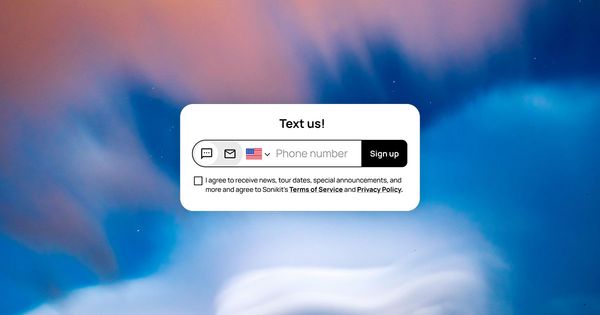
The change comes from an FCC order adopted on September 30, 2026 and published in the Federal Register on October 26. It replaces the "revoke all" requirement from 2024, which the FCC had already delayed twice, most recently to January 31, 2027. If you're still building your list, start with how to collect fan phone numbers legally, because none of the opt-out rules matter if the opt-in isn't solid.
What the FCC changed and when it takes effect
The new order narrows one part of the 2024 consent rules and adds a new option for senders. Everything else in the 2024 framework stays in place.
| What changed | When | Who it affects |
|---|---|---|
| An opt-out from a marketing text covers all of that sender's future marketing texts | November 25, 2026 | Anyone sending release, merch, ticket, or tour announcements by text |
| An opt-out from an informational text can be limited to that category of message | November 25, 2026 | Senders who also send informational texts, such as order or ticket confirmations |
| Senders can name one exclusive opt-out method, such as replying with an opt-out keyword, if they disclose it clearly and conspicuously | November 25, 2026 | Anyone who wants a single, predictable way for fans to opt out |
| Opt-outs must be honored within 10 business days, and one confirmation text is allowed | Unchanged (in force since 2024 and 2025) | Every sender |
Who isn't affected much: if you only text fans who opted in, only send promotional messages, and already remove anyone who replies STOP from everything, your day-to-day sending barely changes. The order mostly gives you a clearer way to define how fans leave.
Which words count as an opt-out
Seven words are treated as a valid opt-out on their own: stop, quit, end, revoke, opt out, cancel, and unsubscribe. That list comes from the FCC's 2024 consent revocation order, which also says a reply in other words counts when a reasonable person would read it as a request to stop.
The new order lets a sender make keyword replies the exclusive opt-out method, as long as each message discloses it clearly. A sender that does this isn't required to process requests made by other means, but it must honor all seven words, not only the one shown in the message.
Carrier guidance points the same way. The CTIA Messaging Principles and Best Practices recommend standard STOP wording in opt-out instructions, opt-out instructions in the opt-in confirmation, and acting on plain-language requests such as "please opt me out." How the exclusive-method option applies to a fan who writes "please stop texting me" is a detail to confirm with your messaging provider or a lawyer. The safe habit is to remove anyone who clearly asks to stop.
What the confirmation text can and can't say
You can send one text confirming the opt-out, and the 2024 rules set tight limits on it.
- One message only. No follow-ups after it.
- No marketing. It can't promote anything or try to talk the fan out of leaving.
- Five minutes. A confirmation sent within five minutes is presumed to fall within the fan's earlier consent.
- Scope question only if you send more than one kind of text. The confirmation can ask which types of messages the opt-out covers. If the fan doesn't answer, treat it as an opt-out from everything.
A reply like "You're unsubscribed from texts from [artist name]. No more messages will be sent." fits. A reply with a discount code to stay subscribed doesn't.
Where artists are most exposed
The rule is framed around the sender, not the tool, and that's where most artist setups get messy. Plenty of artists text fans from more than one place: a fan-marketing platform for release news, a ticketing provider for show reminders, a merch store's own SMS feature for drops. If a fan replies STOP to a release text, the order describes that opt-out as covering all of that sender's future marketing texts. Whether separate tools and numbers count as the same sender for your setup is exactly the kind of question to put to your provider or a lawyer, and the FCC has asked for further comment on related questions, including affiliates.
Labels and management companies texting on behalf of several artists face a version of the same question. Keep each artist's list, sender number, and opt-out records separate unless you've confirmed how opt-outs should be shared.
The other exposure is timing. Ten business days sounds generous until you look at a release calendar with texts going out two or three times a week.
What this looks like for a 2,000-fan release week
Say you text 2,000 fans on release day, Friday, December 4. Thirty reply: 22 with STOP, five with "please stop texting me," and three with "unsubscribe."
Under the 10-business-day limit, all 30 have to be off your marketing list by Friday, December 18. But your merch drop text is scheduled for Friday, December 11. If any of those 30 fans are still on the list when it goes out, they get a marketing text after asking you to stop.
The practical deadline is your next send, not the legal maximum. Process opt-outs before every message goes out, and the 10-day window never comes into play.
What to do before November 25
- Put opt-out instructions in your opt-in confirmation. Use standard wording such as "Reply STOP to opt out."
- Decide whether to name an exclusive opt-out method. If you do, disclose it clearly in your texts, and confirm the exact wording with your provider.
- Test all seven words. Reply stop, quit, end, revoke, opt out, cancel, and unsubscribe from a test phone, and check that each one removes the number.
- Treat clear free-form requests as opt-outs. It's the simplest way to avoid edge cases.
- Review your confirmation reply. One message, no promotion, sent right away.
- Sync opt-outs across every tool and number you text from. Do it before each send, not once a month.
- Confirm the specifics for your situation with your messaging provider or a lawyer, especially if you send informational texts too or text on behalf of several artists.
Opt-out rules sit on top of carrier registration, so if your messages are being filtered or blocked, read what A2P 10DLC means for musicians next, then how to grow your SMS list without spamming fans so fewer people reach for STOP in the first place.