Why "Future Save" Style Features are Broken
Some music marketing platforms offer a feature usually called something like "future save": opt in once, and every release an artist puts out afterward gets added to your library automatically, with no further action needed. It's a genuinely useful idea, and it's also the one place Spotify's new six-month token expiration creates a real, ongoing problem rather than a one-time inconvenience.
Why future-save features are exposed in a way pre-saves aren't
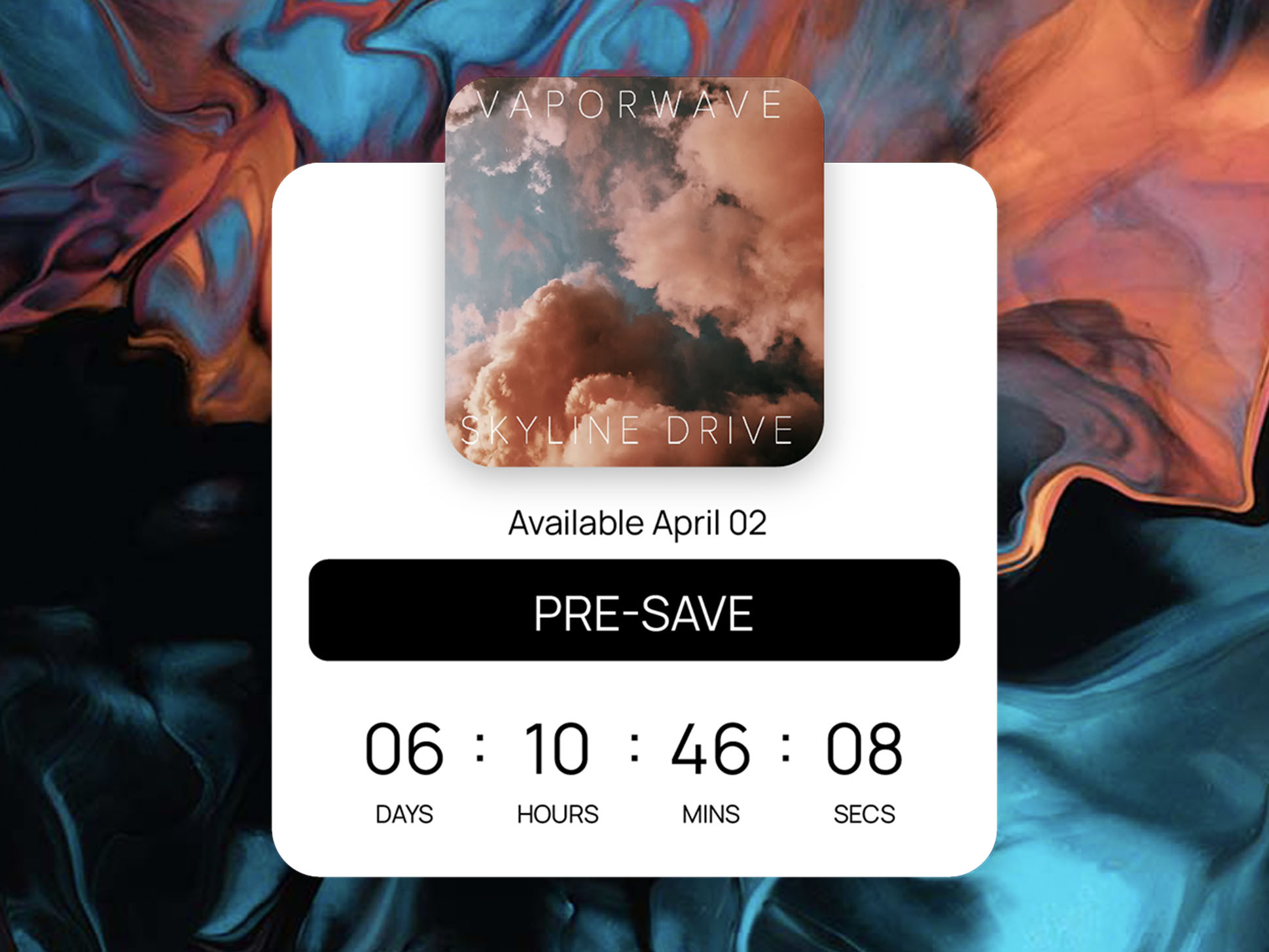
A standard pre-save banks on one authorization staying valid until one future date: release day. A future-save feature banks on that same authorization staying valid indefinitely, across every release an artist puts out for as long as the fan stays subscribed. Spotify's update caps that authorization at six months with no way to extend it by refreshing. A fan who opts into a future-save feature in January will need to reauthorize by July whether or not they've noticed, and if the platform doesn't handle that gracefully, releases start silently failing to save with nobody the wiser.
The fix isn't a better token. It's asking again.
A platform that quietly re-runs a stale authorization in the background is solving the wrong problem. The actual fix is contacting the fan directly when a new release is ready and letting them confirm: "New release is out. Want it saved to your library?" That single message does two things a silent background process never could. It catches the case where the authorization has lapsed and needs renewing, and it re-confirms that the fan still wants what they signed up for, since a fan's taste and attention six months later isn't guaranteed to be the same as the day they opted in.
How NextSave is built differently
Sonikit's NextSave is designed around this from the start, not patched on after the fact. Two things separate it from a typical future-save feature:
- NextSave can be turned on at any time, independent of any specific upcoming release. A fan doesn't need to be in the middle of a pre-save campaign to opt in. It's a standing subscription to an artist's future output, available whenever a fan wants it.
- It can be activated through several different entry points, not just one dedicated opt-in button. A fan can start a NextSave subscription directly, or by following an artist, saving a release, pre-saving an upcoming one, texting a keyword, or sending an Instagram DM. Whichever action a fan is already taking becomes a path into an ongoing relationship, instead of requiring a separate, dedicated step.
Combined with re-confirmation at the moment a new release actually drops, this makes NextSave far less exposed to the kind of silent breakage a rigid, single-entry-point future-save feature runs into. The subscription isn't leaning on one authorization surviving forever. It's built around checking back in with the fan, which was always going to be necessary at some point regardless of what Spotify's token policy said.
The takeaway for artists evaluating this feature anywhere
If a platform offers a future-save style feature, ask two questions before relying on it: how does it handle a lapsed authorization, and does it ever check back in with the fan, or does it assume the original opt-in is good forever? The answer tells you whether you're looking at a feature built for how fan relationships actually work, or one that happened to work fine until Spotify changed a policy nobody was watching.

Keep reading
All posts
How to Evaluate Any Pre-Save Tool After Spotify's Latest API Change

5 Pre-Save Alternatives That Still Capture Fan Data (No Spotify Login Required)