10 Shopify Automations Every Artist and Label Should Build
Merchandise is often treated as a separate business from music marketing.
Streaming campaigns happen in one platform. Ecommerce lives somewhere else. Email marketing sits somewhere else again. The result is a fragmented fan experience where every interaction starts from scratch instead of building on the last one.
Modern music marketing works differently.
Every action a fan takes should influence what happens next. Someone who pre-saves an album is demonstrating interest. Someone who follows on Spotify is signaling long-term engagement. Someone who purchases a hoodie is telling you something different from someone who buys a signed vinyl bundle. Those behaviors become significantly more valuable when they are connected into a single customer journey.
That is where automation becomes valuable.
The goal is not simply to reduce manual work. The goal is to create marketing systems that respond intelligently to fan behavior while keeping every interaction relevant.
This article explores ten automation workflows that independent artists and labels should consider as they connect ecommerce with the rest of their release strategy.
Important: Several of the automations below rely on Shopify purchase events. Sonikit's Shopify integration is currently available, but automatic workflows triggered directly by Shopify's orders/paid webhook are not yet available to users. Those recipes are marked as Coming Soon. The remaining workflows can be built using currently available streaming and audience automation capabilities.Automation Is About Relationships, Not Messages
The biggest misconception about marketing automation is that it exists to send more messages.
In reality, good automation sends fewer messages because every message is triggered by meaningful behavior.
Instead of scheduling the same promotional email for everyone, automation creates personalized paths based on what each fan actually does. Fans receive information that matches their interests, while everyone else avoids unnecessary marketing.
That distinction becomes especially important during album campaigns, where audiences often contain a mixture of casual listeners, collectors, superfans, first-time buyers, and long-time supporters.
The more accurately those groups can be identified, the more effective every campaign becomes.
1. Send Merch to Fans After They Pre-save
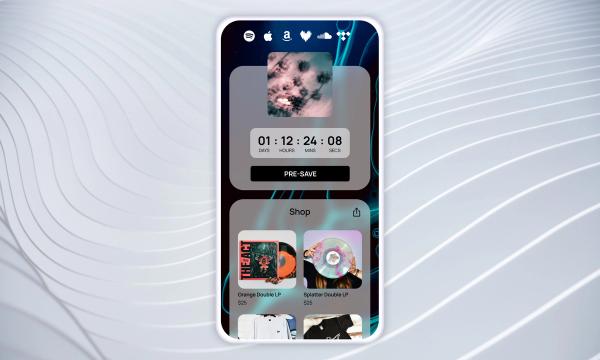
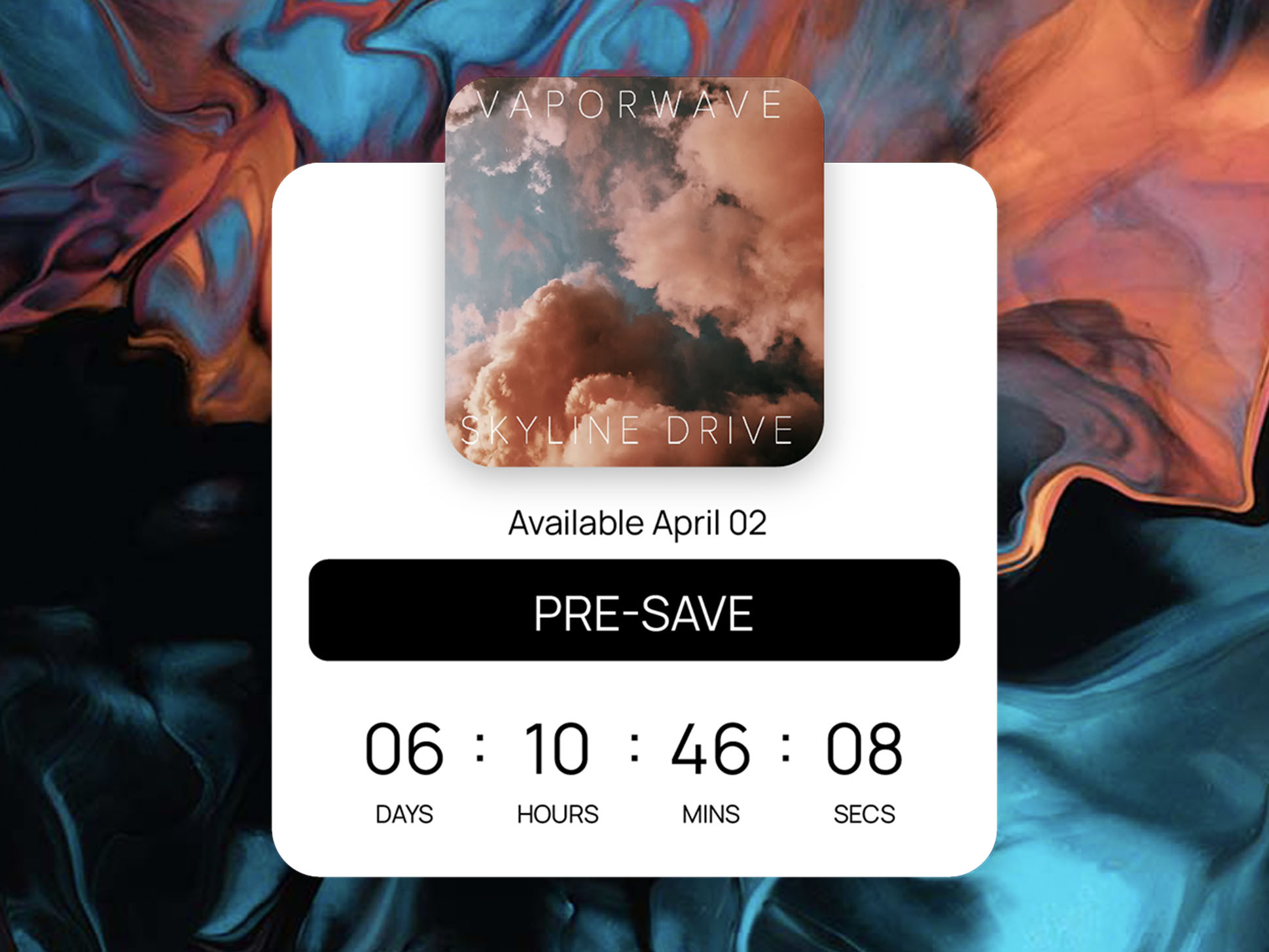
A pre-save indicates that a fan is interested before release day. That moment creates an opportunity to introduce merchandise while excitement is already high.
Trigger → Fan completes a pre-save.
Conditions →
- Fan has not already purchased the featured product.
- Campaign includes related merchandise.
Actions →
- Wait an appropriate delay, such as immediately or on release day.
- Send an email or SMS featuring merchandise tied to the upcoming release.
- Include product imagery and a direct purchase link.
Why it works
Fans who pre-save have already demonstrated intent. Introducing relevant merchandise shortly afterward extends that momentum rather than restarting it later with another promotional campaign.
Instead of treating streaming and merchandise as separate campaigns, they become parts of the same release experience.
2. Promote a Product After a Streaming Follow
Following an artist on Spotify or another streaming platform is different from simply listening once.
A follow represents an ongoing relationship and often identifies fans who are more receptive to future engagement.
Trigger → Fan follows the artist.
Conditions →
- Merchandise campaign is active.
- Fan has not recently received a merch promotion.
Actions →
- Send a personalized email or SMS highlighting a featured product.
- Optionally recommend products connected to the artist's newest release or tour.
Why it works
Streaming follows often occur outside traditional release windows. They create new opportunities to introduce merchandise throughout the year rather than concentrating every promotion around launch week.
3. Coordinate a Release, Merch Drop, and Fan Follow-up Sequence
Album releases rarely succeed because of a single announcement.
Successful campaigns are built from coordinated moments that unfold over several weeks.
Instead of thinking about promotions individually, think about the complete fan journey.
Trigger → Fan joins the release campaign.
Conditions →
- Fan completes the desired campaign action, such as joining a mailing list or pre-saving the release.
Actions →
- Confirm the pre-save or campaign signup.
- Deliver exclusive content before release.
- Introduce limited-edition merchandise on launch day.
- Send a follow-up after release featuring videos, interviews, or tour announcements.
- Continue nurturing the relationship through future campaigns.
Why it works
Each interaction builds naturally on the previous one. Fans experience a connected campaign instead of receiving unrelated promotional messages from multiple systems.
Looking Ahead: Purchase-Triggered Automations
The following workflows depend on Shopify purchase events delivered through the orders/paid webhook.
Support for purchase-triggered automations is planned but is not yet available in Sonikit. They are included here because they represent valuable marketing patterns once purchase events can initiate automation workflows.
4. Send a Thank-you Message After a Purchase (Coming Soon)
Purchasing merchandise is one of the strongest signals of fan commitment.
Trigger → orders/paid
Conditions →
- First successful payment for the order.
Actions →
- Send a personalized thank-you message.
- Include shipping expectations.
- Share related streaming content or exclusive material.
Why it works
Transactional communication often receives much higher engagement than promotional marketing. A thoughtful thank-you reinforces the relationship while excitement about the purchase is highest.
5. Add Purchasers to a Customer Segment (Coming Soon)
Not every customer should remain in the same marketing audience.
Trigger → orders/paid
Conditions →
- Purchase completed successfully.
Actions →
- Add the fan to a "Merch Purchasers" audience.
- Apply tags based on product categories, collections, or releases.
Why it works
Purchase history becomes a foundation for future segmentation. Instead of marketing to a single audience, campaigns can target people based on demonstrated buying behavior.
6. Remove Buyers from Promotional Non-purchaser Campaigns (Coming Soon)
Nothing feels less personalized than receiving repeated advertisements for a product that has already been purchased.
Trigger → orders/paid
Conditions →
- Product belongs to an active promotional campaign.
Actions →
- Remove the customer from "Has Not Purchased" segments.
- Stop reminder sequences promoting that product.
Why it works
Automation reduces unnecessary messaging while preventing wasted marketing impressions.
7. Notify Past Buyers About Related Products (Coming Soon)
Merchandise purchasing often follows patterns.
Someone who buys a vinyl record may also be interested in a signed edition, matching apparel, or a collector bundle.
Trigger → orders/paid
Conditions →
- Product belongs to a collection with related merchandise.
Actions →
- Wait an appropriate period after purchase.
- Recommend complementary products.
- Exclude customers who already own them.
Why it works
Relevant recommendations consistently outperform generic product announcements because they build on existing customer preferences.
8. Route High-value Customers Into a VIP Segment (Coming Soon)
Revenue alone should not define your most valuable fans, but purchase history can help identify supporters who consistently invest in your work.
Trigger → orders/paid
Conditions →
- Customer lifetime spend exceeds a defined threshold.
Actions →
- Add the customer to a VIP audience.
- Unlock exclusive announcements, early access, or limited releases.
Why it works
VIP marketing becomes sustainable when membership is managed automatically rather than manually maintained.
9. Follow Up With Purchasers About the Associated Release (Coming Soon)
Merchandise purchases often happen before or during a release campaign.
The relationship should continue after checkout.
Trigger → orders/paid
Conditions →
- Product is associated with a specific release.
Actions →
- Wait until release day or a scheduled milestone.
- Deliver listening links, videos, behind-the-scenes content, or tour information.
Why it works
The purchase becomes the beginning of a longer campaign rather than the final interaction.
10. Promote Location-specific Merch or Events (Coming Soon)
Location data becomes significantly more valuable when combined with purchasing behavior.
Trigger → orders/paid
Conditions →
- Customer lives near an upcoming tour stop or regional promotion.
Actions →
- Add the customer to a location-based audience.
- Promote city-specific merchandise, local events, or nearby performances.
Why it works
Localized marketing feels naturally relevant because it reflects where fans actually live instead of broadcasting identical promotions worldwide.
The Most Valuable Automation Usually Isn't the Most Complex
It is tempting to design elaborate workflows containing dozens of branches, conditions, and timing rules.
In practice, the highest-performing automations are usually straightforward.
They respond to meaningful behavior, send relevant communication, and update audience data so future campaigns become more intelligent.
Complexity should emerge only when it improves the fan experience. If additional logic exists solely because the platform allows it, it probably does not belong in the workflow.
Marketing Systems Create Compound Value
The long-term advantage of connecting Shopify with streaming and fan marketing is not simply increased merchandise sales.
It is the gradual accumulation of customer intelligence.
Each interaction helps answer questions that become more valuable over time.
- Which fans consistently purchase physical products?
- Which releases convert listeners into customers?
- Which audiences respond to SMS instead of email?
- Which merchandise performs best in specific cities?
- Which campaigns create both streams and sales?
Those insights become difficult to discover when ecommerce, streaming, messaging, and audience data remain isolated.
Marketing infrastructure connects those signals into a single system that grows more useful with every campaign. Instead of rebuilding your audience from scratch for each release, you continuously strengthen a fan relationship database that improves targeting, personalization, and decision-making over time.
For artists and labels, that shift represents one of the biggest opportunities in modern music marketing. The goal is no longer to launch isolated campaigns. It is to build a marketing engine that learns from every fan interaction and becomes more effective with every release.