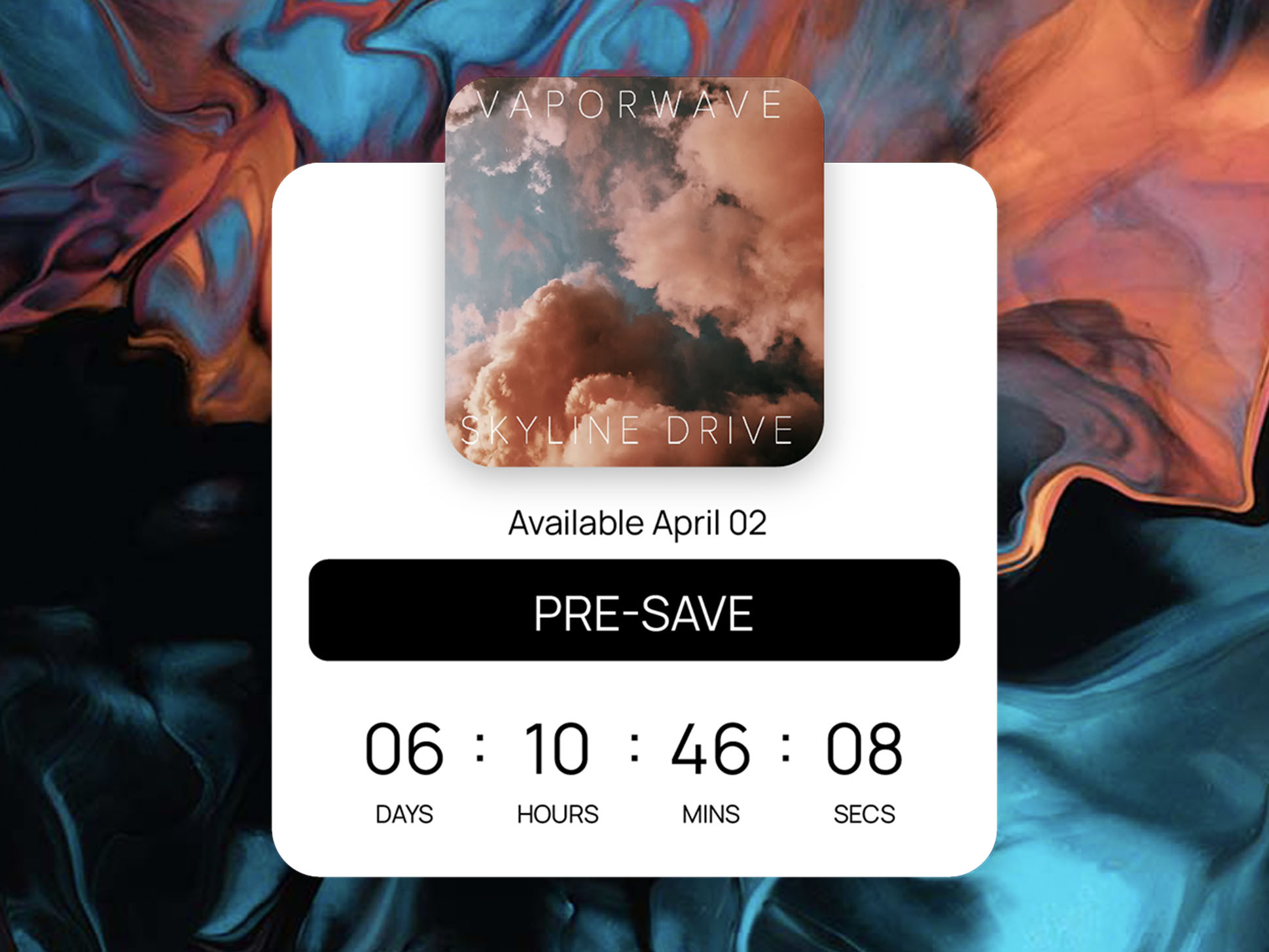
How to Get Fans to Save Your Music on Spotify (Proven Tactics That Actually Work)
Most artists focus on getting people to listen.
Fewer focus on getting people to save.
That distinction matters more than it appears.
A stream is a moment. A save is a decision.
When a listener saves a track on Spotify, they are doing something fundamentally different from simply pressing play. They are choosing to keep that music. They are adding it to their personal library, signaling both intent and future value.
This is why saves are one of the most important signals in a modern music marketing strategy. They sit at the center of compounding growth.
And yet, most release strategies treat saves as a passive outcome instead of a designed action.
Why Spotify Saves Matter More Than Most Metrics
To understand how to increase saves, it helps to understand what they represent.
A Spotify save indicates that a listener wants ongoing access to a track or album. It is a form of ownership within a streaming environment.
From a behavioral perspective, saved tracks are more likely to be:
- Played repeatedly
- Added to personal playlists
- Revisited over time
From an algorithmic perspective, saves are a strong signal of listener preference. They suggest that the track has lasting value, not just momentary appeal.
Within a growth flow, a save acts as a reinforcement signal. It confirms that a listener is moving from casual consumption toward deeper engagement.
This is why saves are directly tied to compounding.
Why Most Tracks Don’t Get Saved
If saves are so valuable, why are they relatively rare compared to streams?
The answer comes down to friction and timing.
Saving a track requires intent. It is an extra step. And most listeners are not prompted to take it at the right moment.
Common issues include:
- No clear call to action
- Poor timing relative to listening behavior
- No follow-up after initial engagement
- Over-reliance on passive discovery
In most cases, listeners are never explicitly guided toward saving. The action is left to chance.
As a result, even tracks with strong engagement can underperform in saves.
Reframing Saves as a Designed Outcome
To increase saves, you need to treat them as a stage in a system rather than a byproduct of listening.
Within the listener progression framework, saves typically occur after initial engagement but before full commitment.
The progression looks like this:
- Discovery → stream
- Interest → repeat listening or pre-save
- Reinforcement → save
- Commitment → follow and ongoing engagement
The save sits in the middle of this sequence.
This means your strategy should not attempt to force saves at the moment of discovery. Instead, it should identify when a listener has shown enough interest to justify the action.
This is where growth flows become essential.
The Role of Timing in Driving Saves
Timing is the most overlooked factor in increasing saves.
Listeners are most likely to save a track at moments of peak engagement. These moments are typically short and contextual.
Examples include:
- Immediately after listening to a track they enjoyed
- Shortly after release, when anticipation converts into consumption
- After repeated exposure across multiple touchpoints
If the opportunity to save is not presented during these windows, it is often lost.
This is why static calls to action are ineffective. They are disconnected from listener behavior.
Effective strategies respond to timing dynamically.
Using Growth Flows to Increase Saves
Growth flows allow you to align your messaging with listener behavior in real time.
Instead of relying on passive conversion, you create structured interactions that guide fans toward saving.
For example:
- A fan pre-saves a track → they receive a release-day message with a direct link
- After listening → they receive a follow-up prompt encouraging them to save the track
- A returning listener → they are reminded to add the track to their library
Each step is tied to a specific moment of intent.
This approach does not increase the number of listeners. It increases the percentage of listeners who take meaningful action.
That is what drives compounding.
Proven Tactics That Actually Increase Saves
While the underlying strategy is structural, there are specific tactics that consistently improve save rates when applied correctly.
1. Prompt the Save at the Right Moment
The most effective save prompts happen immediately after engagement.
This can be:
- Right after release-day listening
- Following a direct message or SMS interaction
- After a listener clicks through from a pre-save link
The key is relevance. The prompt should feel like a natural next step, not an interruption.
2. Connect Pre-Saves to Post-Release Behavior
Pre-save campaigns are often treated as standalone efforts.
In a compounding strategy, they become the first step in a sequence.
A fan who pre-saves has already demonstrated intent. This makes them highly likely to save the track after release if prompted correctly.
This is why pre-release strategy should include post-release follow-ups as a core component.
3. Reduce Friction in the Action
The easier it is to save a track, the more likely it is to happen.
This includes:
- Using direct links that open the track immediately
- Minimizing steps between listening and saving
- Avoiding unnecessary redirects or delays
Small improvements in friction can lead to significant increases in conversion.
4. Reinforce Value Through Context
Listeners are more likely to save a track when they understand why it matters.
This does not require long explanations. It requires framing.
For example, positioning a track as part of a larger project or narrative can increase perceived value and encourage saving.
5. Follow Up Without Overloading
Not every listener will save on the first prompt.
A well-designed system includes follow-ups that reintroduce the opportunity without overwhelming the fan.
This is where automation is particularly effective. It ensures that follow-ups are spaced and contextual rather than repetitive.
Comparing Passive vs Structured Save Strategies
To highlight the difference, consider how saves are approached in two different models.
| Passive Approach | Structured Approach |
|---|---|
| Assumes listeners will save naturally | Guides listeners toward saving |
| Uses generic calls to action | Uses behavior-based prompts |
| Focuses on streams | Focuses on engagement signals |
| Produces inconsistent save rates | Produces repeatable outcomes |
The structured approach aligns with how listeners actually behave.
It acknowledges that saving is an intentional action and designs for it accordingly.
How Saves Contribute to Compounding Growth
The impact of saves extends beyond the individual track.
Each saved track increases the likelihood that a listener will return, engage, and respond to future releases.
This creates a cascading effect:
- More saves → more repeat listening
- More repeat listening → stronger engagement signals
- Stronger signals → increased visibility
- Increased visibility → more listeners entering the system
Over time, this loop accelerates.
What begins as a small increase in save rate can translate into significant long-term growth.
This is why saves are not just a metric. They are a mechanism.
From Listener Behavior to System Design
The most important shift is moving from observation to design.
Instead of asking why listeners are not saving, you design a system that makes saving the natural next step.
Automation, growth flows, and structured release strategies make this possible.
They allow you to respond to behavior in real time, guide listeners through progression, and build continuity across releases.
In that context, increasing saves is not about persuasion.
It is about alignment.
When the system matches the way listeners naturally engage with music, the action follows.
And when that system is applied consistently, growth does not just happen.
It compounds.