How to Make a Music EPK That Bookers and Press Actually Open
A music EPK (electronic press kit) is one link that gives a booker, journalist, or curator everything they need to say yes: a short bio, two or three of your best tracks, recent photos, live video, proof of traction, upcoming dates, and how to reach you. The best EPKs are short, current, and built for the person opening them.
This guide shows you what to include, how to tailor one EPK for four different readers, and how to keep it current without rebuilding it every month. It pairs well with how to structure a music landing page that converts, since your EPK and your fan-facing page share most of the same parts.
What to include in a music EPK
Every EPK needs the same core parts. What changes from one reader to the next is the order and how much space each one gets.
- A one-line hook. Genre, location, and one specific fact that makes someone keep reading. "Denver indie-folk trio, 40 shows across the Mountain West this year" beats "genre-defying artists on a journey."
- A short bio. Around 100 words for the EPK itself, with a longer version linked for press who want it. Write it in the third person so writers can quote it.
- Two or three tracks. Lead with your strongest, not your newest. Link straight to the songs instead of making people search.
- Press photos. Three to five recent, high-resolution images in both landscape and portrait, with a credit line and a download link.
- Live video. One full song filmed live. For many bookers, this is the piece that decides it.
- Proof of traction. Two or three numbers that matter to the reader: past attendance, monthly listeners, list size, notable placements, or press quotes with a link to the source.
- Upcoming dates. Bookers and press want to know you are active and where you play.
- Contact. One name, one email address, and who to contact for booking versus press.
Match your EPK to the person opening it
A talent buyer, a music writer, a playlist curator, and a label scout all open the same link looking for different things. Instead of one generic kit, keep one source page and change what comes first.
| Reader | What they decide | Put first | Can cut |
|---|---|---|---|
| Talent buyer or venue | Will you sell tickets in their room? | Live video, past local draw, upcoming dates | Long bio, press history |
| Journalist or blogger | Is there a story worth writing? | Hook, bio, the new release, press photos | Detailed listener stats |
| Playlist curator | Does the song fit their list? | The track, genre and mood in one line, release date | Photos, tour history |
| Label or manager | Is there momentum to build on? | Growth numbers, audience size, release plan | Full press clippings |
Curators are the exception to most of this. They decide from the song in seconds, so for them the EPK is mostly a clean link to the track; the bigger lever is the pitch itself, covered in how to get your music featured on Spotify playlists.
How to build an EPK in six steps
1. Decide who the next ten sends are for
Write down the next ten people you plan to contact and sort them by type. If eight are venues, build the booker version first. This keeps you from writing a kit for an imaginary audience.
2. Pick the tracks and the one live video
Choose two or three songs that represent what you sound like now. For the live video, pick a full performance with clean audio over a highlight reel. A buyer wants to know what the night will feel like, not how well you edit.
3. Write the hook and bio last
Once you know the reader and the tracks, the hook writes itself. Lead with something checkable: a number, a place, or a named show. Keep adjectives about your own sound to one.
A booker version of a hook might read: "Four-piece garage rock band from Tucson. Sold out our last two hometown headline shows at 180 and 220 capacity. Playing the Southwest in April." Every sentence in it can be checked, and none of it leans on adjectives.
4. Choose numbers you can defend
Use figures the reader can verify or that you can explain: tickets sold at your last headline show, the size of your email or text list, growth in monthly listeners over six months. One honest local draw number does more for a booker than a large follower count.
5. Host it at one link you control
Use a single web page instead of a PDF attachment. A link can be updated after you send it, opens easily on a phone, and keeps your email small enough to land in an inbox. A page on your own site works, as does a dedicated page with a custom domain.
6. Keep the time-sensitive parts live
Upcoming dates and the newest release go stale fastest, and a stale EPK suggests an inactive artist. Pull those parts from a source that updates on its own, so the kit you sent in March is still accurate in May.
Keeping the live parts of your EPK current with Sonikit
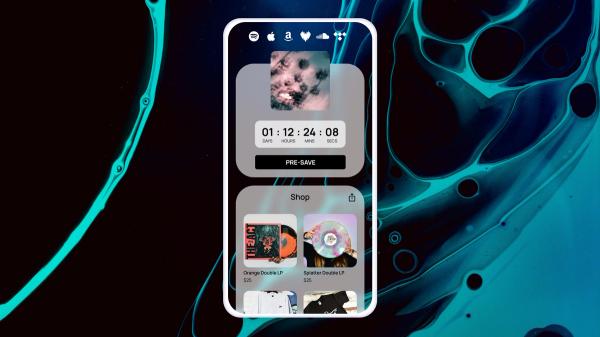
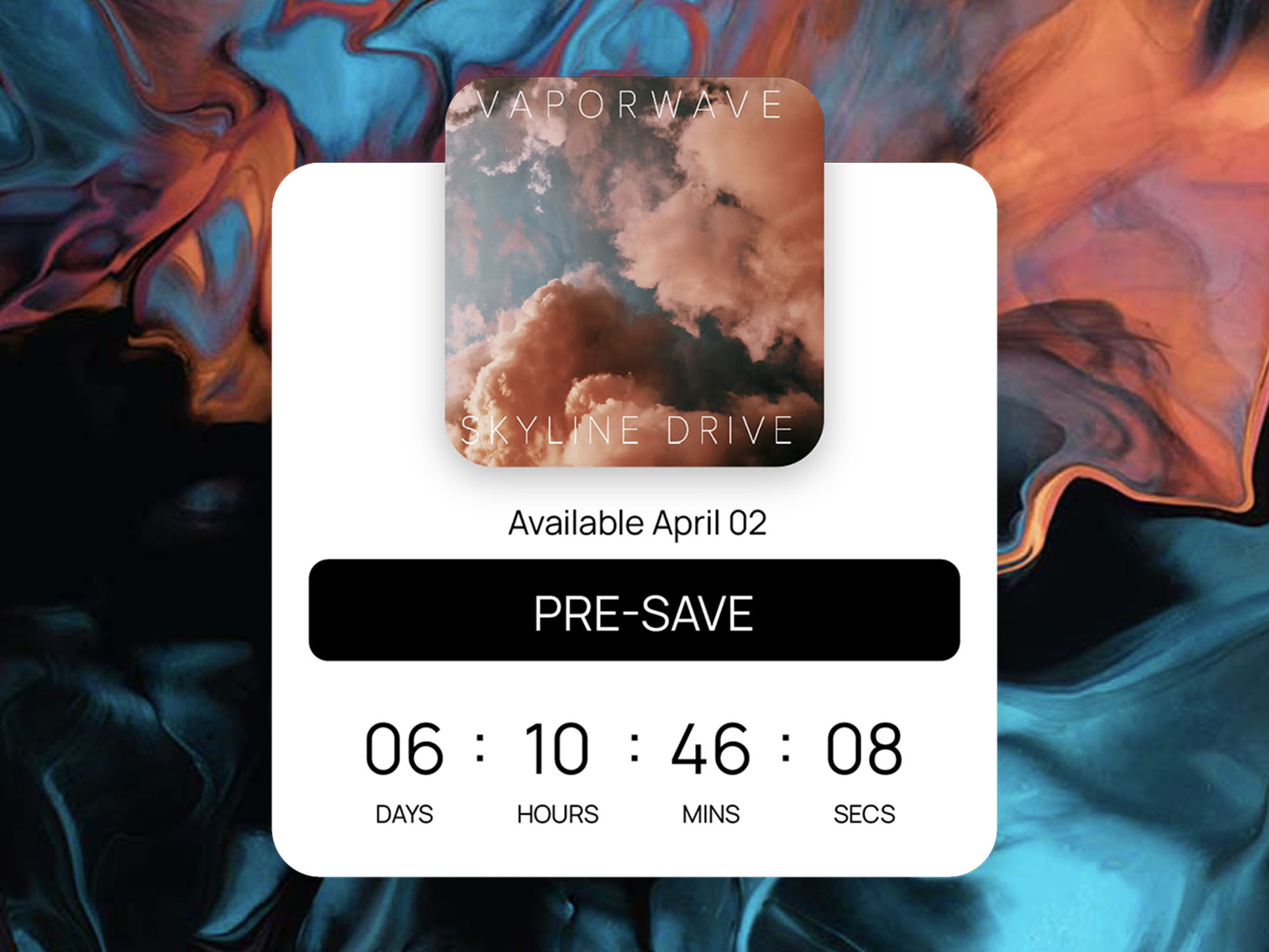
If you already use Sonikit, a landing page can carry the parts of your EPK that change most. Tour dates can display automatically from Bandsintown, Songkick, or Seated, so new shows appear without editing the page. Streaming links and Follow and Save buttons put your music one tap away for the curator or writer who wants to hear more, and custom links can point to your press photo folder and long bio. This walkthrough of showing Bandsintown dates on a landing page for local shows covers how artists use the dates section for booking and promotion.
Link that page from the top of your EPK as the place to hear the music and see current dates, or use it as the EPK itself for booking sends where live dates and music matter most.
What this looks like for a 20-venue booking push
Say you are booking a 12-date regional run and plan to email 20 venues over two weeks. You build the booker version: live video at the top, a line that says you drew 140 people at your last hometown headline show, your next three confirmed dates, then two tracks and a 90-word bio. You send it as one link in a four-sentence email with the dates you are pitching in the subject line.
Two weeks later, three more shows are confirmed. Because the dates on the page update on their own, every buyer who opens the link a second time sees a busier calendar, without you resending anything.
Mistakes that get EPKs ignored
- Sending an attachment. Large PDFs and zip files are slow to open on a phone and easy to skip.
- Leading with the bio. Readers usually decide from the music or the video before they read a word. Put those above the text.
- Stale dates and old photos. A tour that ended last year tells a buyer you are not active.
- Vanity numbers without context. Total streams across your career mean less than recent growth or a real local draw.
- No clear contact. If the reader has to search for who to email, many will not.
Your next step
Write down the next ten people you plan to send your EPK to, then build the version for the type that appears most often. If most are venues, read how touring artists turn streaming into sold-out shows before you send, so the numbers you lead with are the ones a buyer cares about.