Why Social Media Engagement Doesn’t Equal Fan Conversion (And What to Do Instead)
For years, social media engagement has been treated as the primary indicator of success in music marketing.
More likes meant more reach.
More comments meant stronger fan interest.
More views meant momentum.
But when it comes to actual outcomes, pre-saves, streams, fan growth, revenue, engagement often fails to translate.
A post can generate thousands of interactions and still produce minimal conversion.
This disconnect is not accidental. It is structural.
And understanding that structure is what separates surface-level marketing from systems that actually grow an audience.
The Illusion of Engagement as Progress
Engagement feels like progress because it is visible.
You can see likes increase in real time. You can watch comments accumulate. You can track views climbing on a post or video.
But visibility is not the same as movement.
A fan who likes a post has acknowledged it.
A fan who comments has reacted to it.
Neither action guarantees that they will take the next step.
Conversion requires a different kind of behavior. It requires intent, and more importantly, a path that allows that intent to be acted on.
Without that path, engagement remains isolated.
This is why many campaigns plateau. They generate attention, but they do not channel it.
Engagement and Conversion Are Different Systems
One of the most important distinctions in modern music marketing is that engagement and conversion operate in separate systems.
Engagement is native to the platform.
It happens inside Instagram, TikTok, or any other social environment. The platform is optimized to keep users there, interacting with content.
Conversion, on the other hand, usually happens outside the platform.
It involves:
- Clicking a pre-save link
- Signing up for a fan list
- Following on a streaming platform
- Making a purchase
This requires the user to leave the environment where the engagement occurred.
That transition is where most campaigns fail.
The platform is designed to minimize exits. The user is not naturally inclined to leave. And the path to conversion often requires multiple steps.
As a result, engagement and conversion become disconnected.
Why the Funnel Breaks on Social Media
Traditional release strategy assumes a linear funnel:
- Content generates attention
- Attention leads to engagement
- Engagement leads to conversion
In practice, the funnel breaks between steps two and three.
There are three primary reasons for this.
1. Friction Between Surfaces
Moving from a post to a pre-save link requires multiple actions.
The user must:
- Leave the post
- Navigate to a profile
- Click a link in bio
- Select the correct destination
- Complete the action
Each step introduces drop-off.
Even highly engaged users often do not complete this sequence.
2. Loss of Context
Engagement happens in a specific moment.
A fan watches a teaser, hears a snippet, or reacts emotionally to a post. That moment creates intent.
But when the user leaves that context, the intensity of that intent decreases.
By the time they reach a pre-save page, the original momentum is gone.
3. Lack of Immediate Pathways
Most posts do not provide a direct, immediate next step.
They rely on indirect instructions like “link in bio” or “check my profile.”
This creates ambiguity.
And ambiguity reduces action.
The Difference Between Passive and Active Engagement
Not all engagement carries the same value.
A passive interaction, such as a like or a quick view, requires minimal effort. It signals awareness but not necessarily intent.
An active interaction, such as a comment, reply, or direct message, requires more effort and indicates a higher level of interest.
This distinction matters because only active engagement can be reliably converted.
In earlier frameworks, we defined comments as entry points and triggers rather than outcomes. This applies more broadly.
Passive engagement is a signal.
Active engagement is an opportunity.
The mistake many artists make is optimizing for volume rather than quality.
They aim to increase total engagement without considering whether that engagement can be captured and redirected.
Why Pre-Save Campaigns Often Underperform
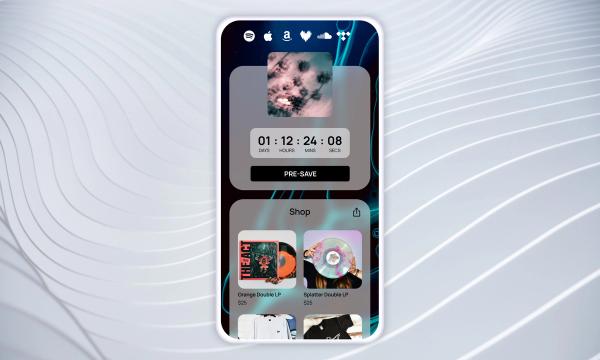
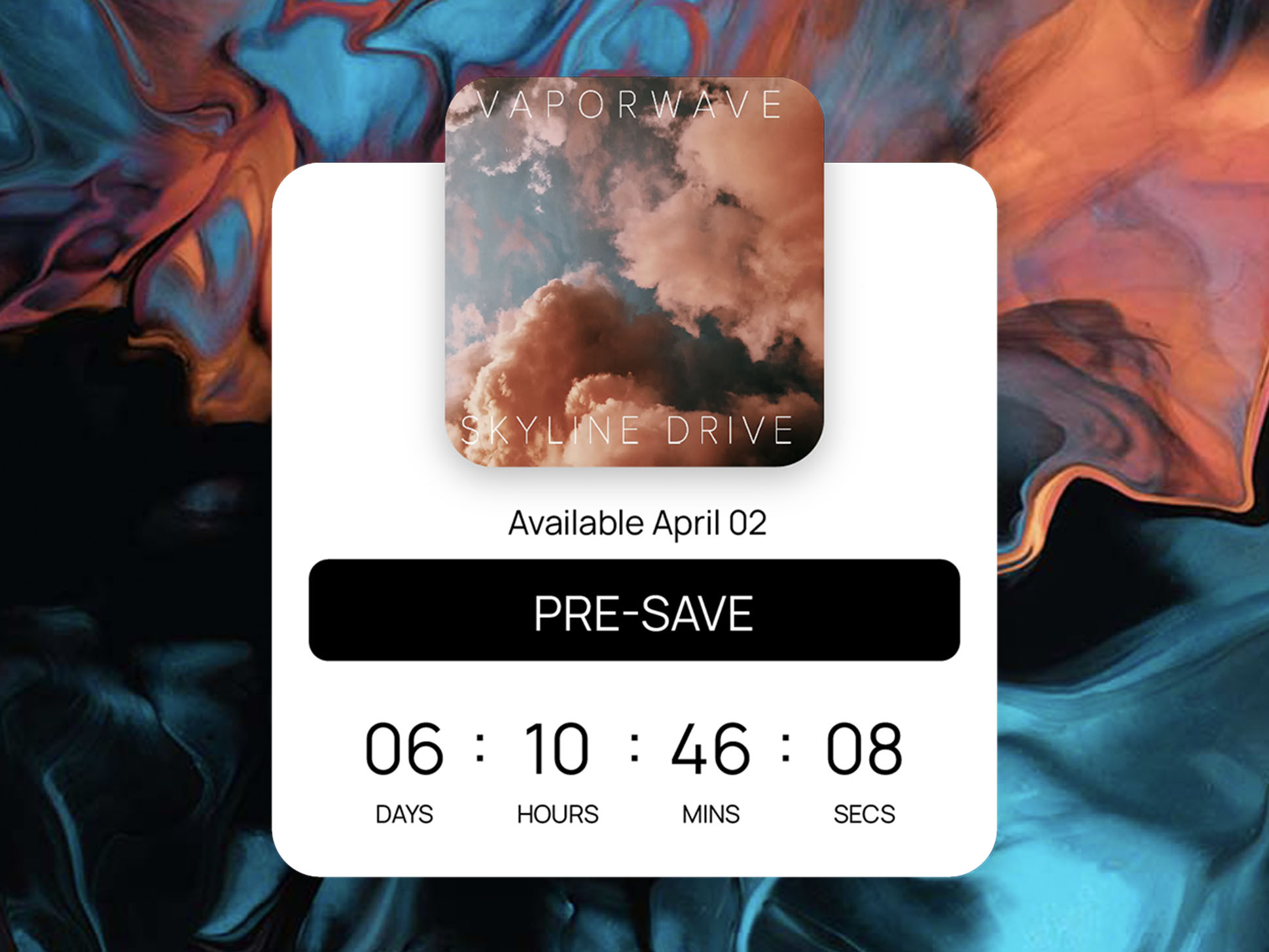
Pre-save campaigns are a clear example of this disconnect.
The typical structure looks like this:
- Post content promoting an upcoming release
- Encourage fans to pre-save
- Provide a pre-save link in bio
On the surface, this seems logical.
But it relies entirely on fans taking initiative after the initial interaction.
The campaign assumes that:
- The fan will remember the call to action
- The fan will navigate away from the content
- The fan will complete the process
In reality, most fans stop at engagement.
They like the post. They may even comment. But they do not convert.
This is not because they lack interest. It is because the system does not support immediate action.
Closing the Gap Between Engagement and Conversion
To bridge the gap, the structure of the campaign must change.
Instead of separating engagement and conversion, they need to be connected in real time.
This is where interaction-based systems become essential.
In previous articles, we introduced the concept of using comments and DMs as triggers within a campaign engine.
The same principle applies here.
When a fan engages, that engagement should initiate the next step automatically.
For example:
- A fan comments on a post
- That comment triggers a DM
- The DM delivers the pre-save link instantly
This removes friction, preserves context, and leverages peak intent.
The fan does not need to search for the next step. It is delivered to them.
From Content Strategy to Interaction Design
This shift requires a different way of thinking about content.
Instead of asking, “How do I get more engagement?” the question becomes:
“What action will this content trigger, and what happens immediately after?”
This reframes content as part of a system rather than an isolated asset.
A post is no longer just a promotional piece. It is a trigger point.
And every trigger point should lead somewhere.
This is the foundation of a modern release strategy.
Building a Conversion-Oriented Release Strategy
A release strategy that prioritizes conversion over engagement typically includes three core components:
1. Trigger-Based Entry Points
Content is designed to encourage specific actions:
- Commenting a keyword
- Replying to a story
- Sending a DM
These actions act as entry points into a system.
2. Immediate Response Mechanisms
When a trigger occurs, the system responds instantly.
This response delivers:
- A pre-save link
- A signup opportunity
- Exclusive content
Timing is critical. The response must happen while intent is still high.
3. Continuity Across Campaign Phases
Interactions are not isolated.
A fan who engages during the pre-release phase can be re-engaged on release day and beyond.
This creates a continuous relationship rather than a one-time interaction.
Together, these components transform engagement into a structured pathway.
Measuring What Actually Matters
When engagement is no longer the primary goal, measurement changes.
Instead of focusing on likes and comments alone, the focus shifts to:
- Conversion rate from interaction to action
- Number of triggered conversations
- Pre-save completions driven by engagement
- Retention of engaged fans across campaigns
These metrics reflect movement, not just visibility.
They indicate whether attention is being captured and converted.
Reframing Success in Music Marketing
The core issue is not that engagement is meaningless.
It is that engagement is incomplete.
It represents the beginning of a process, not the end.
Artists who rely solely on engagement metrics often find themselves stuck. Their audience appears active, but growth remains stagnant.
Artists who build systems around engagement create momentum.
They turn attention into action.
They turn action into data.
They turn data into more effective campaigns.
This is the difference between activity and progress.
From Visibility to Infrastructure
The long-term shift in music marketing is moving from visibility-based strategies to infrastructure-based systems.
Visibility is temporary.
A post performs, then disappears. Engagement spikes, then fades.
Infrastructure persists.
It captures interactions. It connects them across campaigns. It builds a cumulative understanding of your audience.
When engagement is treated as an input into that system rather than an outcome, its value changes entirely.
It becomes the starting point for fan relationships.
Conclusion: Engagement Is the Beginning, Not the Outcome
Social media platforms are designed to maximize interaction.
But they are not designed to convert that interaction into meaningful outcomes for artists.
That responsibility falls on the structure of the campaign.
When engagement is left unchanneled, it remains surface-level.
When it is captured and directed, it becomes the foundation of growth.
The goal is not to generate more engagement.
It is to build systems that know what to do with it.