How Spotify Likely Ranks Listener Intent (A Practical Breakdown for Artists)
Most artists think about Spotify in terms of exposure.
Playlists. Discovery algorithms. Streams. Monthly listeners.
But streaming platforms are not fundamentally designed to reward exposure. They are designed to predict satisfaction.
This distinction changes everything about how release strategy should be approached.
Spotify’s recommendation systems are likely optimized around one central question: which listeners are most likely to continue engaging with this music over time?
Streams matter, but primarily as behavioral inputs within a much larger pattern-recognition system. A single play says very little. A sequence of intentional actions says much more.
This is why modern music marketing increasingly revolves around signals of intent rather than raw audience volume.
The artists who understand this shift build systems differently. They stop optimizing for clicks and start optimizing for behaviors that suggest long-term listener commitment.
What “Listener Intent” Actually Means
Listener intent refers to the probability that a user genuinely values a piece of music enough to continue engaging with it.
Not all streams carry equal meaning.
A passive stream generated from autoplay behavior communicates something very different from a listener who:
- actively searches for a track
- saves it immediately
- replays it multiple times
- follows the artist afterward
One interaction reflects convenience. The other reflects commitment.
Recommendation systems likely distinguish heavily between these behaviors because their objective is not merely to deliver content. It is to predict future satisfaction and retention.
This is why intent-based signals are so important.
They reduce ambiguity.
Why Streams Alone Are Weak Signals
A stream is one of the easiest actions a listener can generate.
In many cases, it requires almost no active decision-making. Songs appear in playlists, autoplay sessions, recommendations, and algorithmic radio environments where listeners may only partially engage.
This creates a challenge for recommendation systems.
A stream confirms exposure, but not necessarily preference.
For example:
- Did the listener intentionally choose the track?
- Did they skip quickly?
- Did they return later?
- Did they save it?
- Did they engage with the artist afterward?
Without additional context, a stream provides limited predictive value.
This is likely why Spotify appears to weigh stronger downstream behaviors more heavily than passive listening volume alone.
The Signals That Likely Matter Most
Spotify does not publicly disclose the exact weighting of its recommendation systems, but observed platform behavior strongly suggests that certain actions communicate higher-intent engagement than others.
Saves
A save is one of the clearest indicators of listener intent.
When a user saves a track, they are explicitly signaling that they want future access to it. This transforms the relationship from passive consumption into active preference.
Saves likely matter because they indicate persistence.
The listener is not just consuming the track in the moment. They are incorporating it into their future listening behavior.
Follows
Artist follows are structurally important because they extend beyond a single release.
A follow indicates that the listener expects future value from the artist, not just the current song.
This creates a stronger long-term engagement signal than a standalone stream.
Repeat Listening
Replay behavior likely helps recommendation systems distinguish between novelty and genuine interest.
Tracks that listeners voluntarily return to suggest durable engagement rather than temporary curiosity.
This is especially important because repeated behavior is more predictive than isolated actions.
Search and Direct Navigation
Intentional discovery behaviors likely carry substantial weight.
If listeners repeatedly search for an artist or navigate directly to a release, the platform can infer that engagement originated from genuine demand rather than passive algorithmic placement.
Playlist Adds
Adding tracks to personal playlists signals contextual relevance and long-term utility.
The listener is assigning future value to the track within their own listening ecosystem.
Why Timing Probably Matters So Much
One of the most important concepts in modern release strategy is signal density.
Signals become more meaningful when they occur close together.
For example, imagine two scenarios:
Scenario A
A listener streams a song once, then saves it weeks later.
Scenario B
A listener pre-saves the track, streams it immediately on release day, saves it after listening, and follows the artist shortly afterward.
The second pattern communicates significantly stronger intent.
The actions reinforce each other temporally. They suggest coordinated enthusiasm rather than casual exposure.
This is likely why release-week behavior matters disproportionately. Concentrated engagement patterns provide stronger predictive clarity.
The Difference Between Passive and Active Consumption
A useful framework for understanding Spotify signals is the distinction between passive and active consumption.
Passive consumption includes:
- autoplay streams
- background playlist listening
- low-engagement discovery sessions
Active consumption includes:
- intentional searches
- saves
- follows
- repeat plays
- direct navigation to artist profiles
Modern release strategies increasingly focus on creating active consumption behaviors because these actions appear to align more closely with how recommendation systems evaluate listener satisfaction.
This is also why cross-channel systems matter so much.
Why Pre-Release Infrastructure Matters
By the time a listener opens Spotify, much of their behavior has already been influenced.
This is one of the central ideas throughout this content cluster.
Cross-channel infrastructure allows artists to shape listener intent before streaming behavior begins.
For example:
- Instagram creates awareness
- SMS captures direct engagement
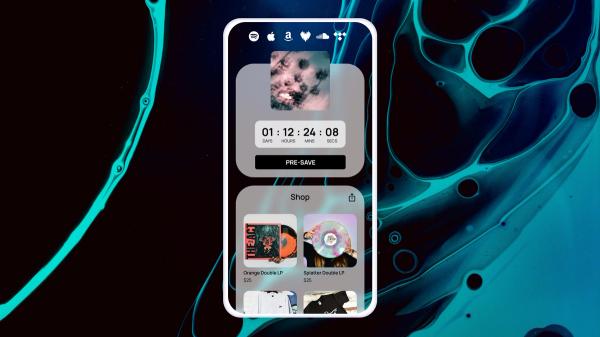
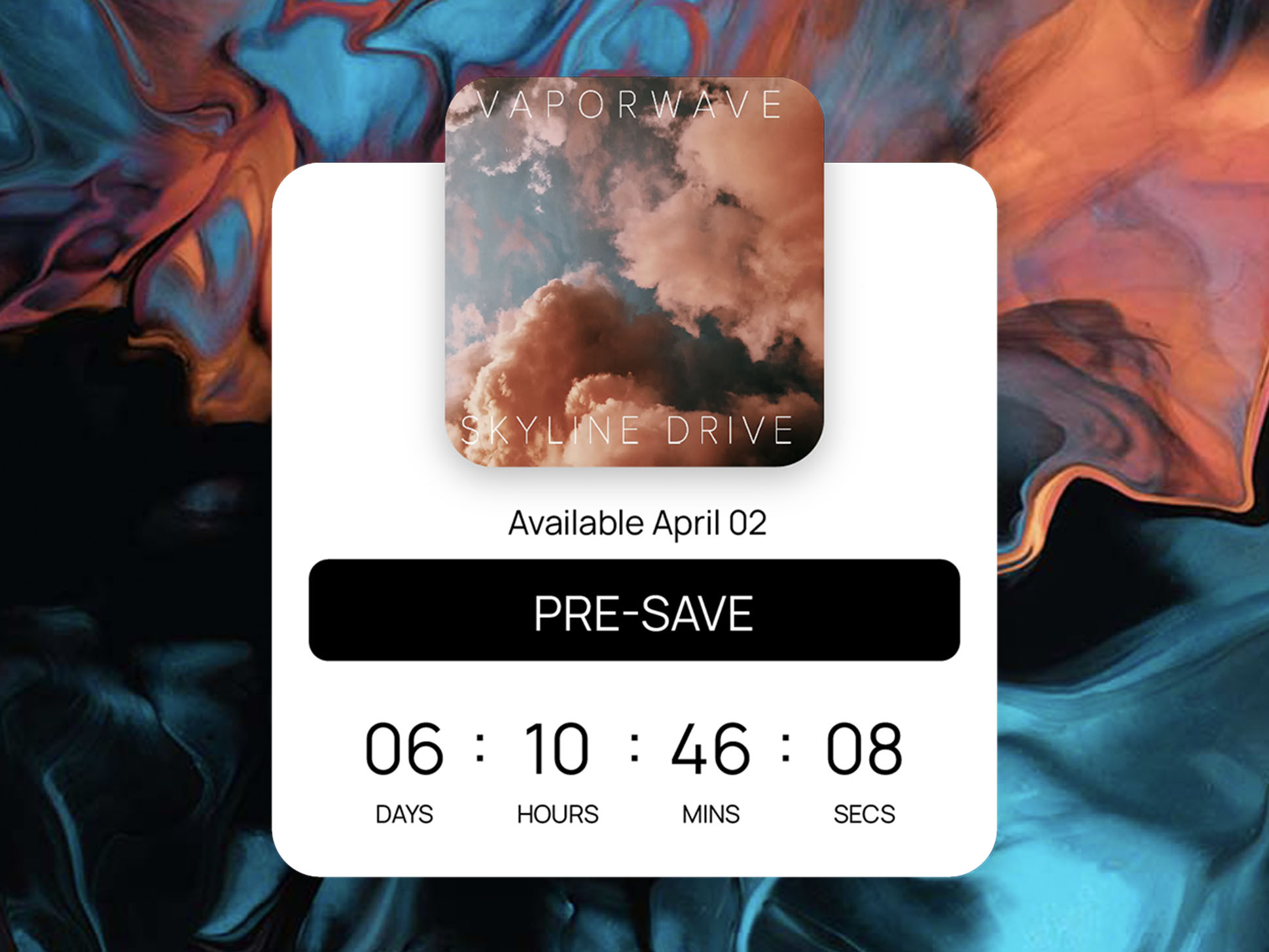
- pre-save systems coordinate anticipation
- Action Flows sequence release-day actions
This creates conditions where listeners arrive on Spotify already primed to engage intentionally.
Instead of generating isolated streams, the system generates clusters of high-intent actions.
This is a fundamentally different growth model.
From Attention to Coordinated Signals
Traditional music marketing often focuses heavily on maximizing attention.
But attention alone is unstable.
Platforms can generate large volumes of passive exposure without creating meaningful downstream behavior.
What recommendation systems likely value more is coordinated engagement.
This means generating sequences like:
- pre-save
- release-day stream
- save
- follow
- repeat listening
from the same listener within connected timeframes.
These patterns likely communicate stronger predictive value than raw traffic spikes.
This is why the most effective release campaigns are increasingly designed as fan growth systems rather than isolated promotional events.
The Role of Action Flows in Intent Coordination
Action Flows become strategically important because they help sequence listener behavior intentionally.
Without coordination, fan actions remain fragmented.
With Action Flows:
- a social interaction can trigger messaging
- messaging can trigger a pre-save
- the pre-save can trigger release-day reminders
- release-day engagement can trigger follow and save prompts
Each step compounds listener intent.
The system continuously increases the probability of generating high-value Spotify signals.
This transforms marketing from traffic generation into behavioral orchestration.
Why Viral Reach Alone Often Fails
One of the clearest examples of intent ranking can be observed in artists who achieve viral exposure but fail to sustain momentum.
Large spikes in streams do not always translate into:
- follower growth
- strong save ratios
- repeat listening behavior
This suggests that recommendation systems likely distinguish between temporary curiosity and durable engagement.
Virality creates awareness. Intent creates retention.
The artists who sustain growth are usually the ones converting exposure into structured listener behaviors.
Reframing Release Strategy Around Intent
Once listener intent becomes the organizing principle, release strategy changes dramatically.
The objective is no longer just to maximize traffic or streams.
The objective becomes creating systems that increase the likelihood of high-intent behaviors occurring together.
This includes:
- capturing fan intent before release
- sequencing actions across channels
- coordinating release-day engagement
- reinforcing saves and follows after listening
The release itself becomes one component within a larger behavioral system.
The Strategic Takeaway
Spotify likely rewards patterns that indicate genuine listener commitment rather than passive exposure alone.
Streams matter, but they gain meaning when paired with stronger intent signals like saves, follows, repeat listening, and direct engagement.
This is why modern artist growth increasingly depends on cross-channel infrastructure.
The artists who grow consistently are not simply generating attention. They are coordinating listener behavior.
They are building systems that transform fan intent into concentrated clusters of signals.
In practice, this is the difference between campaigns that spike briefly and systems that compound over time.