The Fan Engagement Funnel for Musicians: Turning Listeners Into Loyal Fans
Most music marketing advice focuses on visibility.
Artists are told to grow their reach, increase their streams, and get their music in front of more listeners. While visibility matters, it only describes the beginning of the marketing process.
Discovery alone does not build a fanbase.
A listener who hears a song once on a playlist may enjoy the music, but that interaction does not automatically create an ongoing relationship with the artist. For sustainable career growth, artists need something far more valuable than passive listening.
They need engaged fans.
This is where the concept of the fan engagement funnel becomes useful. The funnel describes the journey that listeners take as they move from casual discovery to long-term fandom. It provides a framework for understanding how music marketing campaigns convert attention into meaningful relationships.
Earlier articles in this cluster introduced several key ideas that shape this process: converting listeners into fans before release day, reinforcing engagement after the first connection, and maintaining relationships between releases. The fan engagement funnel ties these ideas together into a single system.
When artists understand this structure, their marketing strategy becomes far more intentional. Instead of chasing exposure alone, they begin guiding listeners through a series of deeper interactions that gradually build loyalty.
Why Discovery Alone Does Not Build a Fanbase
Streaming platforms are designed to maximize discovery. Playlists, algorithmic recommendations, and social media integrations allow music to reach millions of listeners quickly.
But discovery is only the first stage of the relationship.
Most listeners encounter music casually. A track might appear in a playlist, autoplay after another song, or surface in a short video. These moments create awareness, but they rarely produce strong artist relationships on their own.
For an artist, the challenge is not simply reaching listeners. The challenge is moving listeners deeper into the relationship.
Without this progression, most listeners remain at the top of the funnel. They enjoy a song once but never return to the artist again.
The purpose of the fan engagement funnel is to gradually convert these casual listeners into dedicated supporters.
The Four Stages of the Fan Engagement Funnel
While every artist’s audience behaves differently, most successful music marketing strategies follow a similar progression. The fan engagement funnel can be understood through four broad stages.
| Funnel Stage | Listener Behavior | Artist Objective |
|---|---|---|
| Discovery | Listener encounters the music for the first time | Generate awareness |
| Engagement | Listener takes a meaningful action | Build interest |
| Relationship | Listener joins a direct audience channel | Strengthen connection |
| Advocacy | Fan actively supports and promotes the artist | Sustain long-term growth |
Each stage represents a deeper level of fan involvement.
The goal of marketing is not simply to attract listeners at the discovery stage. It is to guide as many listeners as possible toward the later stages of the funnel where long-term fan relationships develop.
Stage One: Discovery
Discovery is where the funnel begins.
Listeners encounter the artist through streaming platforms, social media content, collaborations, or word-of-mouth recommendations. At this stage, the listener may know nothing about the artist beyond the music they just heard.
This is the most crowded environment in the entire music ecosystem. Millions of songs compete for attention every day, and most listeners make decisions about whether to continue listening within seconds.
Because of this, discovery campaigns often focus on short-form content, visual storytelling, or playlist placements that make the music easy to encounter.
However, discovery alone is not the end goal. The marketing strategy must also provide a path toward deeper engagement.
If the listener enjoys the music, the next step in the funnel should be clear.
Stage Two: Engagement
Engagement occurs when a listener takes a deliberate action related to the artist.
Common engagement signals include:
- clicking a pre-save link for an upcoming release
- following the artist on a streaming platform
- saving a song to their library
- visiting a campaign page
- interacting with release content
These actions represent a meaningful shift in behavior.
A casual listener might hear a song once and move on. An engaged listener chooses to take an additional step. This signals a higher level of interest in the artist and their music.
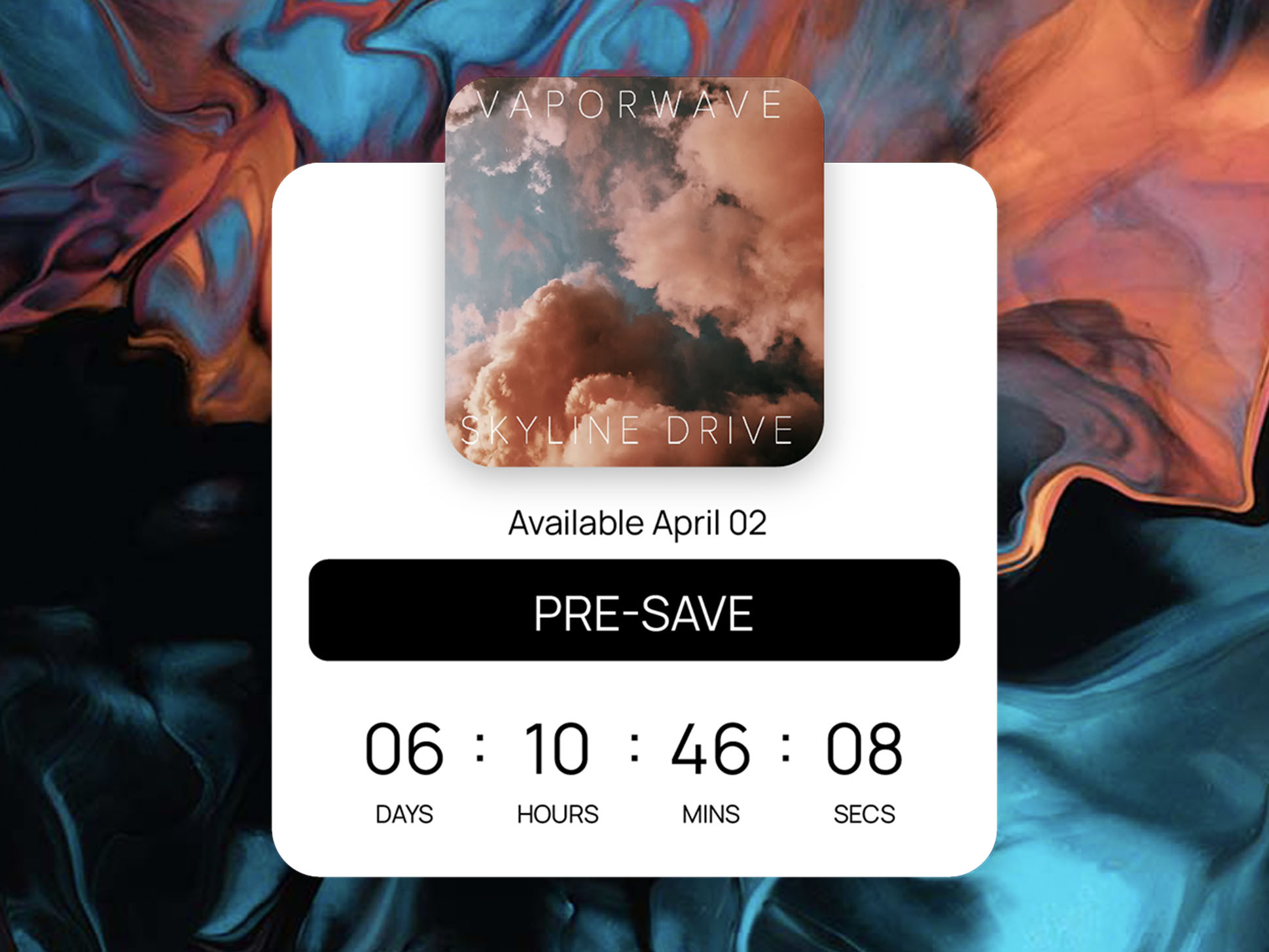
Pre-save campaigns are particularly valuable at this stage because they capture engagement before a release occurs. When a listener commits to hearing a song before it is available, they demonstrate anticipation rather than passive interest.
This early engagement helps build the momentum that strong release strategies depend on.
Stage Three: Relationship
Engagement alone is valuable, but relationships are where long-term growth begins.
In earlier articles in this cluster, we discussed the importance of audience ownership. Social platforms and streaming services provide powerful discovery tools, but artists do not control how those platforms distribute content.
Direct audience channels change that dynamic.
When a listener joins an email list, SMS community, or fan membership program, the artist gains a reliable way to communicate with them. These channels create a stable relationship that exists independently of algorithmic platforms.
For artists, this stage represents a critical transition.
The listener is no longer simply interacting with the music. They are participating in an ongoing connection with the artist.
This relationship layer allows artists to:
- share updates between releases
- build anticipation for upcoming projects
- invite fans into the creative process
- notify audiences instantly when new music launches
Over time, these interactions deepen the emotional bond between artist and fan.
Stage Four: Advocacy
At the deepest level of the funnel, fans become advocates.
Advocacy occurs when fans actively support the artist beyond passive listening. They share new releases with friends, promote the music on social media, attend shows, and participate enthusiastically in campaigns.
These fans become the foundation of an artist’s long-term growth.
Advocates amplify marketing efforts organically. When a new release launches, they help spread the word naturally within their own networks. Their enthusiasm often carries more credibility than traditional promotion.
This stage of the funnel is difficult to manufacture artificially. Advocacy emerges from consistent positive experiences over time.
Artists who regularly engage their audience, communicate authentically, and deliver meaningful music are far more likely to cultivate this level of support.
How Pre-Release Strategy Strengthens the Funnel
Pre-release campaigns play an important role in moving listeners through the early stages of the funnel.
A well-designed pre-save campaign does more than simply prepare for release day. It creates an opportunity to convert discovery into engagement and engagement into relationship.
For example, a listener might discover a teaser video for an upcoming song. If they are interested, they click a pre-save link connected to the campaign.
At that moment, the funnel begins to deepen.
The listener moves from discovery to engagement. If the campaign includes optional fan data collection or exclusive content access, the listener may also join a direct audience channel.
This progression transforms a single moment of attention into a meaningful connection.
By the time the music launches, the listener already feels invested in the release.
The Compounding Power of Funnel-Based Marketing
One of the most powerful aspects of the fan engagement funnel is that it compounds over time.
Every release campaign introduces new listeners at the discovery stage. Some of those listeners move deeper into engagement, relationship, and eventually advocacy.
The next release benefits from the audience built during the previous one.
Instead of launching music into an empty environment, the artist launches it to a growing community of fans who are already familiar with their work.
This dynamic creates momentum.
Each campaign strengthens the foundation for the next. Engagement signals appear more quickly when new music launches. Streaming platforms detect stronger listener interest. Organic promotion becomes more common as advocates share the music with their own networks.
Over time, the artist transitions from chasing attention to nurturing an existing fan ecosystem.
The Funnel as Marketing Infrastructure
The most important insight behind the fan engagement funnel is that it reframes how artists think about marketing.
Instead of focusing only on promotion, the funnel emphasizes relationship progression.
Each stage represents a deeper level of connection between artist and audience. Discovery brings listeners in. Engagement sparks interest. Relationships provide continuity. Advocacy drives long-term growth.
When marketing strategies are designed around this progression, releases stop feeling like isolated events.
They become part of a continuous system for audience growth.
Within that system, tools such as pre-save campaigns, fan communication channels, and release storytelling function as infrastructure that supports the artist’s long-term career.
And once that infrastructure is in place, every new release has the potential to convert more listeners into fans.

Keep reading
All posts
How to Build a 3-Step Action Flow: SMS Sign-Up to Pre-Save and Follow

New Project or New Landing Page? How to Structure Sonikit for Multiple Releases, Artists, or Tours