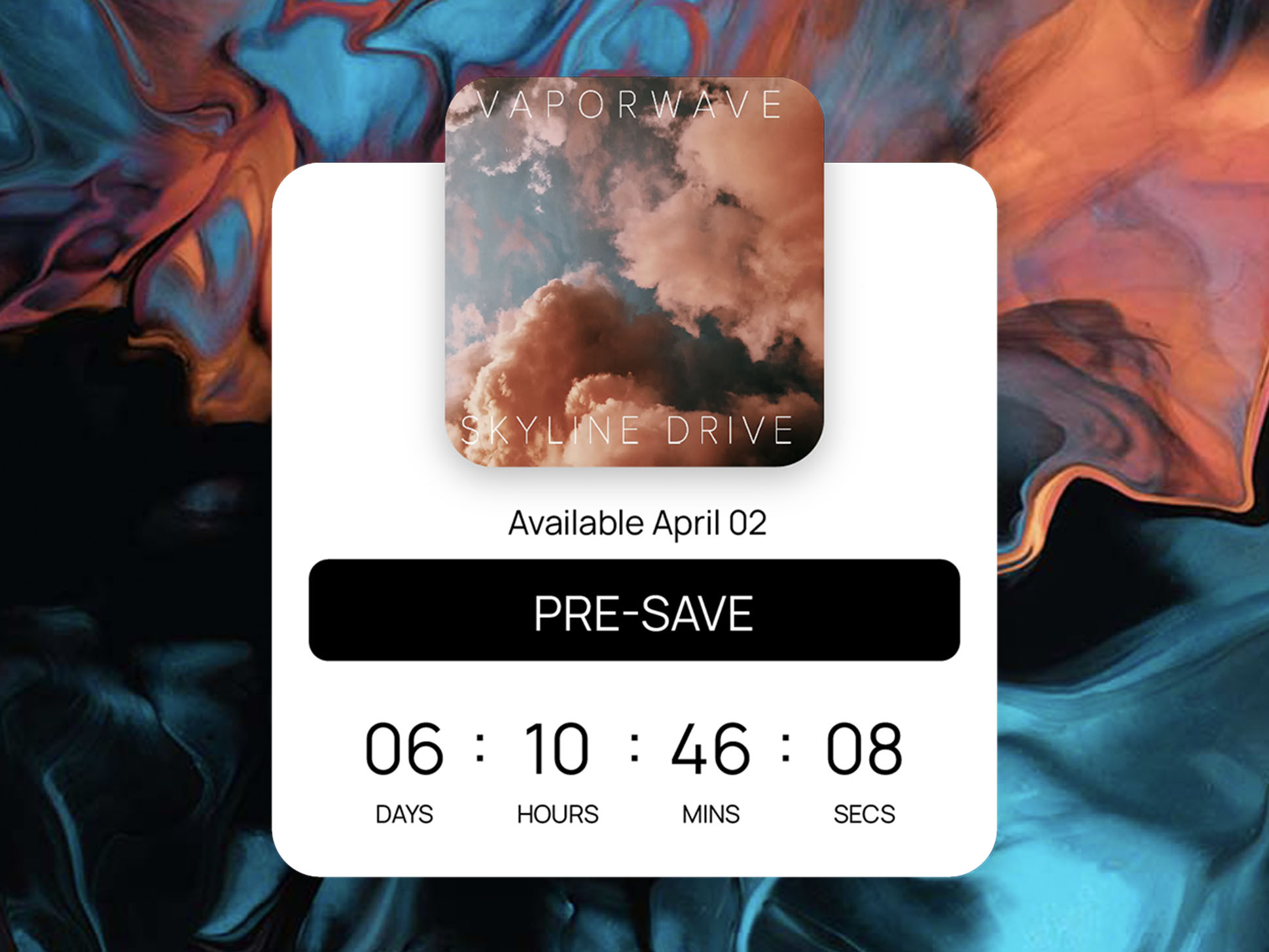
30-Day Single Release Marketing Plan: A Strategic Guide to Modern Music Releases
Releasing a single used to be a moment. Today, it is a system.
Streaming platforms have fundamentally changed how music spreads. Algorithms reward sustained engagement rather than one-day spikes, listeners discover artists through repeated exposure instead of single premieres, and audience growth now depends less on launch-day hype and more on structured momentum.
A successful release is no longer defined by the release date itself. It is defined by the four weeks leading into it.
The most effective artists treat a single release like a campaign with phases, signals, and measurable outcomes. Every action before release trains both the audience and platform algorithms to recognize that something important is happening.
This guide breaks down a modern 30-day single release marketing plan, not as a checklist of tactics, but as a strategic framework for building momentum that compounds beyond one song.
Why 30 Days Matters in Modern Music Marketing
Thirty days is not arbitrary. It aligns with how discovery systems and audience behavior actually work.
Streaming platforms rely heavily on early engagement signals. Saves, pre-saves, repeat listening, and sharing activity help algorithms determine whether a track should expand beyond an artist’s existing audience. These signals do not begin on release day. They begin beforehand.
A pre-release window serves three critical functions:
- It concentrates attention before launch.
- It converts casual followers into committed listeners.
- It creates measurable intent signals that platforms interpret as demand.
A pre-save, for example, is more than a reminder. It is a listener explicitly signaling future listening behavior. When many listeners commit before release, platforms receive early confirmation that the track already has audience interest.
In practical terms, the pre-release period transforms a release from a passive upload into an active campaign.
The Campaign Framework: Three Phases of a Single Release
Instead of thinking in weeks alone, it helps to understand the campaign structurally. Most successful releases follow three distinct phases.
| Phase | Objective | Audience Psychology |
|---|---|---|
| Awareness | Introduce the upcoming release | Curiosity |
| Commitment | Drive pre-saves and engagement | Anticipation |
| Activation | Convert attention into streams | Participation |
Each phase builds on the previous one. Skipping stages often leads to the most common release problem: strong announcement engagement but weak streaming performance.
Days 30–21: Building Awareness Before Promotion
The first mistake many artists make is promoting too early without context. Promotion works best when audiences understand why they should care.
During the first week of the campaign, the goal is not aggressive conversion. It is narrative setup.
Listeners respond to stories, not announcements. Introducing themes, creative direction, or emotional context prepares audiences to recognize the release as an event rather than another post in their feed.
Effective early actions often include:
- Visual teasers or aesthetic previews
- Studio moments or creative process content
- Short-form video introducing the song’s concept
- Subtle sonic previews rather than full snippets
At this stage, you are creating familiarity. Familiarity reduces friction later when you introduce a pre-save link or direct call to action.
From a marketing perspective, awareness lowers cognitive resistance. When the official announcement arrives, audiences already feel involved.
Days 21–14: Launching the Pre-Save Strategy
Around three weeks before release is the optimal time to introduce a pre-save link.
A pre-save allows listeners to authorize a streaming platform to automatically add a song to their library on release day. Mechanically, this creates immediate saves and early listening activity once the track becomes available.
Strategically, it does something more important: it transforms passive followers into active participants.
This is the moment where marketing shifts from storytelling to commitment.
A strong pre-save phase focuses on clarity and repetition rather than complexity. The audience should encounter the release multiple times in different contexts without feeling overwhelmed.
Key campaign priorities during this window include:
- Establishing a single destination link for all promotion.
- Reinforcing the release identity visually and sonically.
- Encouraging fans to take one simple action: pre-save.
Many artists underestimate how much friction impacts conversions. Every additional step between discovery and action reduces participation. Centralized campaign infrastructure, where links, messaging, and tracking remain consistent, significantly improves results because the audience always knows where to go.
This is why modern campaigns increasingly rely on systems rather than isolated links. A release hub acts as persistent infrastructure across platforms, allowing artists to track engagement and continue communicating with listeners beyond the campaign itself.
Days 14–7: Turning Interest Into Anticipation
Once pre-saves begin accumulating, the campaign enters its most important psychological phase.
Anticipation is created through escalation.
Audiences should feel that momentum is increasing as release day approaches. Content shifts from introduction toward participation and emotional investment.
This often includes:
- Longer song previews or chorus reveals
- Behind-the-song storytelling
- Fan interaction prompts
- Countdown content
At this stage, repetition becomes beneficial rather than annoying because the audience now recognizes the campaign narrative.
A common misconception is that marketing content must always be new. In reality, reinforcing the same message across formats increases recall and action. The brain interprets repetition as importance.
This period is also when direct fan communication becomes powerful. SMS messaging or email outreach typically outperforms social reach because it reaches listeners who have already expressed interest. Rather than broadcasting broadly, the campaign begins activating owned audience channels.
The distinction matters. Social media rents attention. Direct communication owns it.
Days 7–1: Preparing Algorithmic Momentum
The final week before release is less about discovery and more about alignment.
Every campaign element should now point toward release day behavior.
Listeners who pre-saved should be reminded what happens next. New audiences should encounter social proof that the release is already gaining traction. Existing fans should feel they are part of a shared countdown.
Effective final-week actions typically include:
- Daily countdown moments
- Short performance or rehearsal clips
- Fan reactions or testimonials
- Reminder messaging to pre-saved audiences
From an algorithmic standpoint, this phase ensures that a large portion of your audience listens within the first 24 to 48 hours after release. Concentrated listening activity signals relevance to streaming platforms, increasing the likelihood of editorial and algorithmic expansion.
Momentum is rarely accidental. It is engineered through synchronized audience behavior.
Release Day: Activation, Not Announcement
Release day marketing often fails because artists treat it as the starting point.
In a structured campaign, release day is activation. The audience already knows the song exists. The objective is now participation at scale.
Instead of announcing once and moving on, successful artists guide listeners through specific actions:
- Stream the track immediately
- Add it to personal playlists
- Share the song with friends
- Engage with launch content
A pre-save strategy pays off here. Automatic library additions create instant listening activity, increasing early performance metrics.
Equally important is continuity. Release day messaging should feel like the payoff of a story audiences have followed for weeks.
Days +1 to +7: Extending the Life of the Release
The campaign does not end when the song goes live.
Many releases lose momentum because marketing effort stops precisely when discovery potential increases.
The week after release is when new listeners encounter the song through algorithmic recommendations, playlists, or shares. Content during this phase should reinforce legitimacy and encourage continued listening.
This includes:
- Performance videos
- Fan-generated content
- Storytelling around reactions or milestones
- Alternate versions or acoustic clips
Post-release marketing converts early listeners into long-term fans. Without this phase, streaming spikes fade quickly instead of compounding.
Why Infrastructure Beats One-Off Promotion
A deeper shift is happening in music marketing. Artists are moving away from isolated promotional tools toward connected campaign systems.
A pre-save link alone captures a moment. Marketing infrastructure captures relationships.
When campaign tools integrate audience data, messaging channels, and analytics into a single system, each release strengthens future campaigns. Fans who engage once become reachable again. Insights from one launch inform the next.
This transforms releases from disconnected events into cumulative growth cycles.
Platforms designed as campaign engines rather than simple link generators enable this progression because they treat marketing as an ongoing process rather than a series of temporary promotions.
Over time, this difference compounds dramatically. Artists stop rebuilding momentum from zero with every song.
The Real Goal of a 30-Day Release Plan
The purpose of a release campaign is not simply streams.
It is audience conditioning.
Each campaign teaches listeners how to engage with your music, when to pay attention, and where to connect with you. Over multiple releases, audiences begin to anticipate participation automatically.
That expectation is what turns casual listeners into a reliable fan base.
A well-executed 30-day release strategy does more than promote a single track. It builds a repeatable marketing rhythm that supports long-term growth, algorithmic visibility, and stronger artist-fan relationships.
In the streaming era, consistency outperforms virality. Structured campaigns create consistency.
And consistency is what turns releases into careers.

Keep reading
All posts
How to Build a 3-Step Action Flow: SMS Sign-Up to Pre-Save and Follow

New Project or New Landing Page? How to Structure Sonikit for Multiple Releases, Artists, or Tours