Pre-Save Ad Funnel Blueprint: How to Turn Ads Into Real Music Release Momentum
Running ads before a music release is easy.
Running ads that actually improve release performance is rare.
Many artists invest in paid promotion expecting immediate streaming results, only to discover that ad traffic disappears as quickly as it arrives. The problem is not advertising itself. The problem is where the advertising leads.
Modern release strategy depends on momentum, not momentary attention. A successful campaign converts discovery into commitment before release day, ensuring listeners arrive prepared to engage when music becomes available.
This is where the pre-save ad funnel becomes essential.
A pre-save funnel transforms paid reach into measurable intent. Instead of asking cold audiences to stream music they have never heard, it guides them through a structured journey that mirrors the broader campaign framework introduced throughout this release playbook: awareness, commitment, and activation.
When designed correctly, advertising stops being exposure and becomes infrastructure for audience growth.
Why Streaming Ads Alone Rarely Work
A common mistake in music marketing is promoting unreleased music as if it were already available.
Cold audiences have little reason to leave a platform, open a streaming app, and engage with an unfamiliar artist immediately. Even when clicks occur, most listeners do not return after release because no relationship was established beforehand.
Advertising without a funnel creates a disconnect between discovery and participation.
A pre-save solves this gap because it introduces a meaningful intermediate action. Instead of demanding instant fandom, the campaign asks for a small commitment: save the upcoming release.
This commitment changes listener psychology. Someone who pre-saves has opted into the release experience. They are far more likely to listen on day one, which strengthens early engagement signals that streaming platforms evaluate.
In effect, the ad campaign begins shaping release-week behavior weeks in advance.
Understanding the Pre-Save Funnel Structure
A pre-save ad funnel works because it aligns marketing stages with audience readiness.
Rather than treating all listeners the same, the funnel guides audiences through increasing levels of engagement.
| Funnel Stage | Marketing Objective | Listener Mindset |
|---|---|---|
| Discovery | Introduce artist or sound | Curiosity |
| Interest | Encourage exploration | Consideration |
| Commitment | Drive pre-save action | Anticipation |
| Activation | Convert into streams | Participation |
This mirrors the campaign engine used across successful release strategies. Ads become the entry point into the larger release system rather than a separate promotional effort.
Stage One: Discovery Ads That Sell Curiosity, Not the Song
The first interaction between a listener and an artist should reduce friction, not create pressure.
Discovery ads perform best when they focus on emotional tone or identity rather than aggressive calls to action. Short-form video clips, performance moments, or visually compelling storytelling introduce the artist without demanding immediate commitment.
The objective is simple: stop the scroll.
Effective discovery creatives often share characteristics:
- Immediate sonic or emotional clarity within the first seconds
- Visual consistency with the release era
- A clear artistic identity rather than generic promotion
- Subtle curiosity about what is coming next
At this stage, success is measured by attention quality rather than conversions. High engagement signals indicate audiences are receptive enough to move deeper into the funnel.
Stage Two: Retargeting and Interest Building
Once discovery audiences engage with content, retargeting becomes the bridge between awareness and commitment.
Retargeting works because familiarity increases trust. Listeners who recognize an artist are significantly more likely to take action during later exposures.
Interest-stage ads should introduce more context about the upcoming release. This might include longer previews, storytelling about the track, or insight into the creative process.
Instead of pushing a pre-save immediately, these ads reinforce recognition and deepen emotional investment.
This phase often determines funnel efficiency. Without sufficient familiarity, pre-save conversion rates remain low regardless of budget.
Momentum builds through repetition with variation.
Stage Three: The Pre-Save Conversion Moment
Only after awareness and interest have been established should ads aggressively promote a pre-save link.
At this stage, messaging becomes clear and direct. The audience understands what the release is and why it matters. The campaign now asks for participation.
High-performing pre-save conversion ads typically include:
- A recognizable musical hook or highlight moment.
- Clear release timing.
- A single action-focused call to action.
- Visual continuity with earlier campaign content.
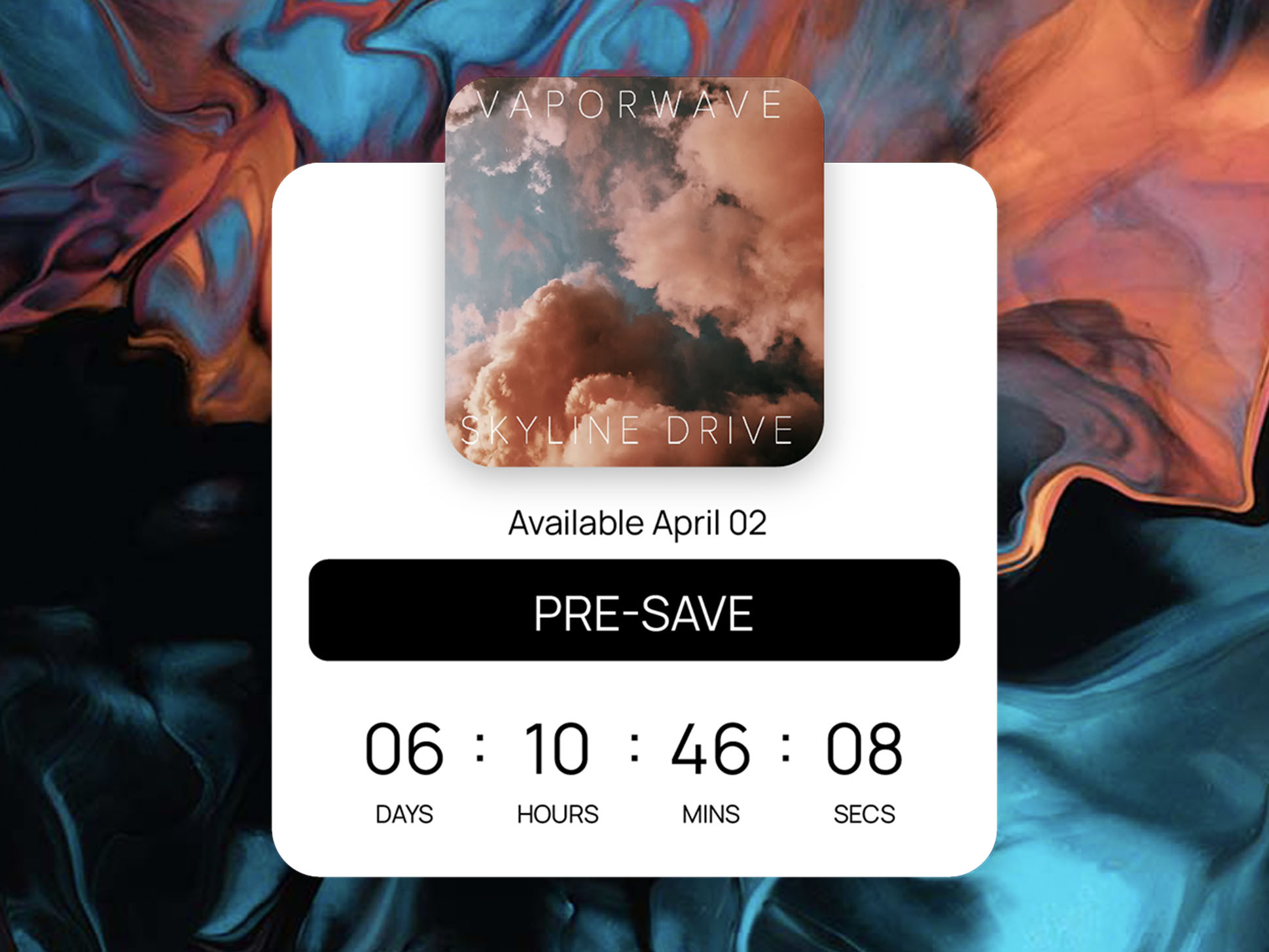
Reducing friction is critical. The landing experience should function as a centralized campaign hub where listeners can pre-save quickly without confusion or distraction.
A strong pre-save funnel treats this page as infrastructure rather than a simple link. It should maintain branding continuity, reinforce anticipation, and capture engagement data that supports future communication.
Each successful pre-save strengthens release-week activation potential.
Stage Four: Activation Retargeting Before Release Day
Many campaigns stop advertising once pre-saves begin accumulating. This leaves momentum unfinished.
Activation retargeting reconnects with audiences who already engaged or pre-saved, reminding them that the release is approaching. These ads function as countdown reinforcement rather than discovery promotion.
Messaging during this phase emphasizes anticipation:
- Reminder creatives highlighting release timing
- Escalating song previews
- Social proof such as fan reactions or engagement milestones
The objective is behavioral alignment. Listeners should arrive at release day expecting to listen immediately.
When activation ads succeed, release-week engagement becomes concentrated rather than scattered, improving algorithmic expansion potential.
Measuring Funnel Success Beyond Clicks
Traditional advertising metrics often mislead music campaigns.
High click-through rates do not necessarily translate into successful releases. What matters is downstream behavior. A strong pre-save funnel improves outcomes that occur after advertising ends.
Key indicators of funnel health include:
- Pre-save conversion rate relative to ad spend
- Growth in owned audience channels
- Early streaming density after release
- Save and playlist-add ratios
These metrics reflect commitment rather than exposure. Over time, campaigns optimized around participation outperform those optimized solely for reach.
Marketing effectiveness becomes measurable at the campaign level rather than the ad level.
Why Pre-Save Funnels Work Best as Marketing Infrastructure
The most important shift in modern music marketing is structural.
A pre-save funnel is not just an advertising tactic. It is a mechanism for building long-term audience relationships. Every pre-save represents a listener who has taken intentional action and can potentially be reactivated in future campaigns.
When funnels connect with messaging channels, analytics systems, and centralized campaign hubs, advertising becomes cumulative. Insights gained during one release inform targeting and creative decisions for the next.
This transforms paid promotion from a recurring expense into an investment in audience infrastructure.
Artists stop renting attention and begin owning momentum.
The Strategic Role of Paid Ads in a Release Campaign
Paid advertising works best when it amplifies an existing campaign framework rather than replacing it.
Ads introduce new listeners into the awareness phase. Pre-save funnels guide them toward commitment. Release week converts that commitment into activation. Post-release marketing sustains discovery.
Each stage reinforces the others.
Without structure, advertising creates temporary visibility. With structure, it accelerates momentum already being built through organic storytelling, audience communication, and campaign planning.
This alignment is what separates campaigns that generate short-term spikes from those that produce repeatable growth.
The Real Goal of a Pre-Save Ad Funnel
The purpose of a pre-save ad funnel is not simply to collect saves.
It is to shape listener behavior before the music exists publicly.
When audiences commit early, they arrive at release day prepared to engage, listen, and share. Streaming platforms interpret this coordinated activity as demand, expanding discovery opportunities beyond the artist’s existing reach.
More importantly, the funnel transforms anonymous listeners into identifiable participants within an ongoing marketing ecosystem.
Over multiple releases, this process compounds. Each campaign begins with a larger, more engaged audience than the last.
In modern music marketing, successful advertising does not chase attention.
It builds anticipation systems that turn attention into momentum.

Keep reading
All posts
How to Build a 3-Step Action Flow: SMS Sign-Up to Pre-Save and Follow

New Project or New Landing Page? How to Structure Sonikit for Multiple Releases, Artists, or Tours