Release Week Marketing Checklist: How to Maximize Momentum When Your Music Drops
Release week is often treated as the finish line.
In reality, it is the moment a campaign either proves its strength or exposes its weaknesses.
By the time a song or album becomes available on streaming platforms, audience expectations, algorithmic signals, and marketing momentum have already been shaped by the pre-release strategy. Release week does not create success on its own. It activates momentum that has been building for weeks or months.
This distinction matters because many artists focus their energy on announcing the release rather than guiding listener behavior once the music is live. Modern music marketing rewards coordinated participation, not passive awareness. Streams, saves, shares, and repeat listening within the first days influence how platforms interpret demand.
A strong release week strategy therefore functions less like promotion and more like orchestration. The goal is to align audience attention, reinforce commitment created through pre-saves, and extend momentum into sustained discovery.
This checklist is not a collection of random tasks. It reflects the activation phase of a structured release campaign built around awareness, commitment, and activation.
The Strategic Purpose of Release Week
Before discussing tactics, it is important to understand what release week is designed to accomplish.
Streaming platforms evaluate early listener behavior to determine whether a release should reach wider audiences. Concentrated engagement signals relevance. Dispersed or delayed listening weakens momentum.
Release week marketing exists to synchronize audience action.
When listeners who pre-saved, followed the rollout, or engaged with pre-release content all listen within a similar window, platforms detect coordinated demand. This increases the likelihood of algorithmic expansion through personalized recommendations and automated playlists.
In other words, release week converts anticipation into measurable activity.
The role of marketing shifts from generating awareness to guiding participation.
Day 0: Release Day Is Activation, Not Announcement
One of the most common mistakes artists make is treating release day as the first moment audiences hear about the music.
In a well-structured campaign, listeners already expect the release. Messaging should therefore assume familiarity and focus on action.
The most effective release day communication answers a simple question for fans: What should I do right now?
Core priorities on release day include:
- Direct listeners to a single release destination or campaign hub.
- Encourage immediate listening rather than passive celebration.
- Reinforce participation behaviors such as saving and sharing.
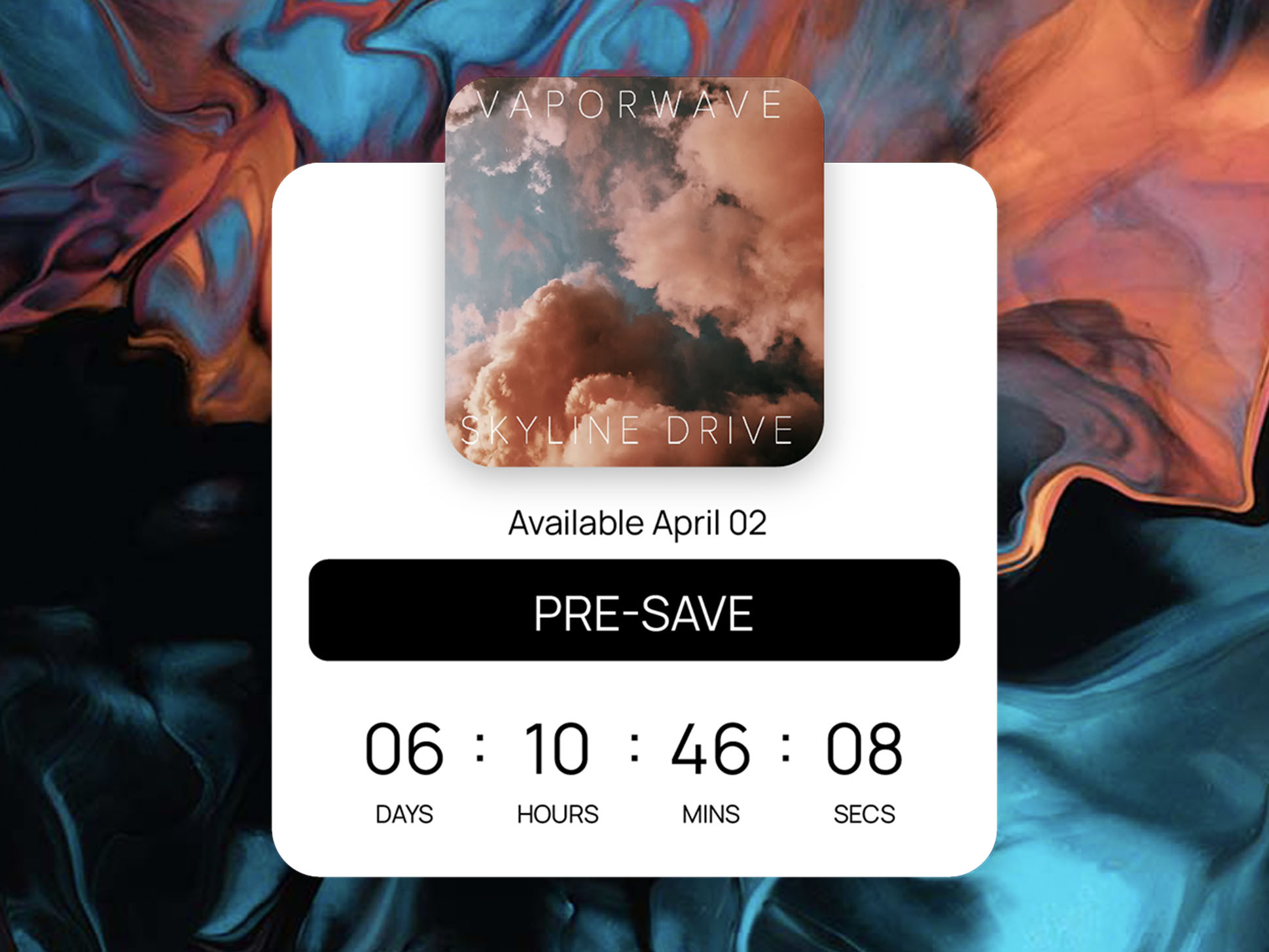
A pre-save strategy becomes particularly powerful here. Because pre-saved tracks automatically appear in listener libraries, many fans begin streaming immediately without friction. Marketing should reinforce this behavior with reminders that acknowledge prior participation.
Release day messaging works best when it feels like the payoff of an ongoing story rather than a sudden promotion.
The First 24 Hours: Concentrating Engagement Signals
The first day after release carries disproportionate importance.
Streaming algorithms interpret early engagement density as a signal of cultural relevance. When many listeners engage quickly, platforms are more likely to expand exposure beyond existing audiences.
Artists should prioritize clarity over creativity during this window. Repetition is beneficial because the objective is behavioral alignment, not novelty.
Focus communication around a small set of actions:
- Listen to the track or album in full.
- Save the release to personal libraries.
- Add songs to personal playlists.
- Share with friends or communities.
Each action contributes a different engagement signal. Saves indicate long-term interest, playlist additions suggest ongoing listening potential, and shares introduce new listeners.
When audiences understand how to participate, engagement becomes intentional rather than accidental.
Midweek Momentum: Preventing the Post-Release Drop
Many campaigns lose energy two or three days after release. Initial excitement fades, social engagement slows, and marketing attention shifts elsewhere.
This drop often occurs because artists treat release week as a single announcement instead of a sequence.
Midweek marketing should reframe the release through new perspectives rather than repeating identical messaging. The music remains the same, but the context evolves.
Effective midweek approaches include:
- Highlighting different tracks across separate posts
- Sharing stories behind specific songs
- Posting early fan reactions or community responses
- Introducing performance clips or alternate visuals
This strategy mirrors how audiences naturally discover music. Not every listener engages on release day. Reintroducing the project multiple times increases the probability of discovery across different audience segments.
Momentum grows through re-entry points.
Activating Owned Audience Channels
During release week, direct communication channels often outperform social media reach.
Fans who joined through pre-saves, email lists, or SMS messaging have already demonstrated intent. They represent the highest-probability listeners and should receive clear, focused communication.
Owned channels allow artists to reinforce participation without competing against platform algorithms. Messaging can feel more personal and actionable because it reaches listeners who expect updates.
Effective outreach during release week typically includes:
- A release-day message confirming availability
- A follow-up encouraging playlist additions or sharing
- A midweek reminder highlighting standout moments or milestones
This approach reflects a broader shift in music marketing toward relationship-driven campaigns. Instead of relying solely on public visibility, artists activate audiences they have already cultivated.
Social Proof and Narrative Reinforcement
As release week progresses, marketing benefits from incorporating evidence of engagement.
Listeners are more likely to explore music when they perceive that others are already participating. Social proof reduces uncertainty and increases curiosity.
Examples of effective social proof include:
- Fan comments or reactions
- Streaming milestones
- Playlist inclusions
- User-generated content
Importantly, social proof should feel observational rather than promotional. Sharing genuine audience responses reinforces authenticity while signaling momentum.
Narratively, this phase communicates that the release is alive and evolving rather than finished.
End-of-Week Expansion: Extending Discovery
By the end of release week, marketing should begin transitioning from activation toward sustainment.
The goal shifts from concentrating existing listeners to expanding discovery outward. New audiences encountering the release through algorithmic recommendations need fresh entry points.
Content during this period often emphasizes accessibility:
- Introducing the song to audiences who missed earlier promotion
- Highlighting a specific track as a starting point
- Sharing performance or contextual storytelling content
This phase ensures that the campaign does not collapse after initial engagement. Instead, it prepares the release for long-tail growth.
Why Release Week Works Best Within Marketing Infrastructure
Release week exposes the limitations of fragmented promotion.
Without centralized campaign infrastructure, engagement signals become difficult to track, audiences cannot be reactivated efficiently, and future campaigns lose valuable insights.
Marketing infrastructure connects the entire release lifecycle. Pre-save participants become reachable listeners. Engagement data informs future messaging. Audience relationships extend beyond a single launch.
When releases operate within a connected system rather than isolated tools, release week becomes part of a cumulative growth process instead of a temporary spike.
Over time, this infrastructure transforms marketing from reactive promotion into a repeatable campaign engine.
The Real Goal of a Release Week Checklist
A checklist exists to create alignment, not activity.
Release week success comes from coordinated audience behavior, consistent messaging, and sustained momentum across multiple days. Each action reinforces the campaign’s broader objective: converting anticipation into participation.
When listeners arrive ready to engage because of the pre-release strategy, release week amplifies momentum instead of attempting to create it from nothing.
Ultimately, the purpose of release week marketing is not simply to celebrate a launch. It is to establish listening habits, strengthen fan relationships, and signal to platforms that the release deserves continued discovery.
In modern music marketing, activation is the moment momentum becomes measurable.
And release week is where that measurement begins.

Keep reading
All posts
How to Build a 3-Step Action Flow: SMS Sign-Up to Pre-Save and Follow

New Project or New Landing Page? How to Structure Sonikit for Multiple Releases, Artists, or Tours