Best Pre-Save Tools Compared (2026): Feature.fm vs LinkFire vs Sonikit — Which Actually Drives Growth?
Pre-save tools are often evaluated like utilities. Artists compare pricing tiers, landing page designs, or how quickly they can generate a link. On the surface, this makes sense. A pre-save link appears to be a simple technical function.
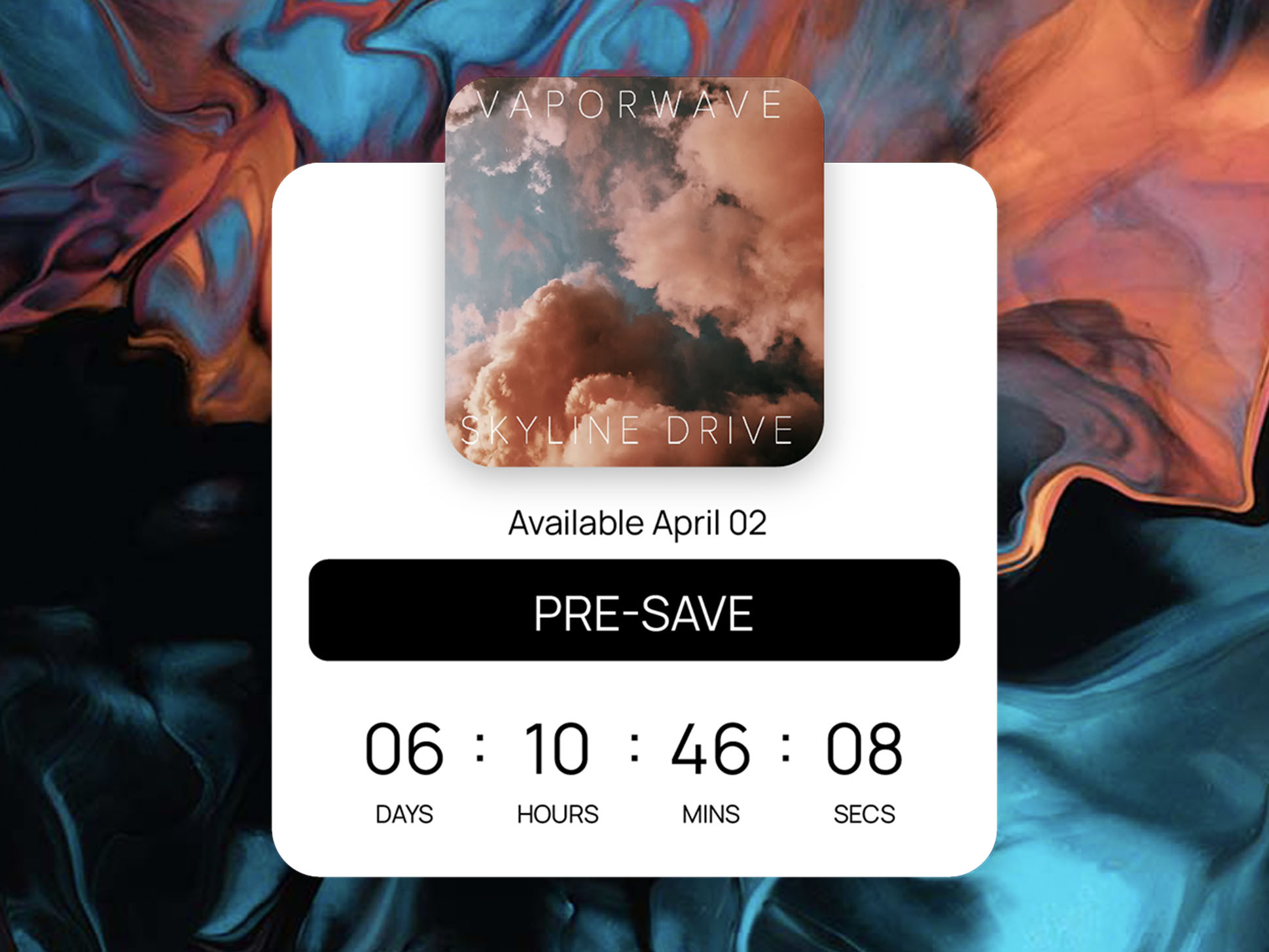
But as modern release strategy has evolved, the role of pre-saves has changed. They are no longer isolated promotional assets. They sit at the center of the intent capture phase within a broader campaign engine, shaping how audiences engage before release and how momentum forms afterward.
Because of this shift, choosing a pre-save platform is less about features and more about marketing philosophy.
Different tools are built around fundamentally different assumptions about how music promotion works. Some prioritize distribution efficiency. Others emphasize analytics attribution. A newer category treats pre-saves as part of long-term audience infrastructure.
Understanding those differences helps artists choose tools aligned with how they actually plan to grow.
What a Pre-Save Tool Really Does
At a technical level, all pre-save platforms perform a similar core function: they authenticate listeners through streaming platform APIs and trigger automatic actions when music becomes available.
But strategically, a pre-save tool influences much more than release-day automation.
It determines:
- How audiences experience your campaign before release
- What data you collect about fan intent
- How listeners are reactivated at launch
- Whether engagement compounds across releases or resets each time
In other words, the tool shapes the structure of your pre-release strategy, not just its execution.
The Three Categories of Pre-Save Platforms
Most modern tools fall into one of three conceptual categories.
| Category | Core Philosophy | Primary Goal |
|---|---|---|
| Link Distribution Platforms | Centralize music links | Maximize access across platforms |
| Marketing Optimization Tools | Improve campaign performance | Track and attribute conversions |
| Audience Infrastructure Platforms | Build long-term fan systems | Compound engagement over time |
Feature.fm, LinkFire, and Sonikit each represent different points along this spectrum.
Feature.fm: Performance Marketing Focus
Feature.fm emerged during a period when independent artists began adopting digital advertising at scale. As a result, the platform leans heavily toward performance marketing workflows.
Its strengths center around optimization and attribution. Artists running paid campaigns benefit from tools designed to measure conversion performance across ads, landing pages, and audiences.
Feature.fm is particularly effective for teams focused on advertising efficiency and campaign experimentation.
Strategic strengths include:
- Strong ad attribution and tracking capabilities
- Optimization tools for paid traffic campaigns
- Familiar workflows for marketing-focused teams
- Integration with promotional funnels
However, Feature.fm’s structure reflects a campaign-centric model. Each release often functions as a discrete promotional event rather than part of a persistent audience system. For artists prioritizing ongoing fan relationships, additional tools may be required to extend engagement beyond the campaign window.
Feature.fm excels when marketing is treated primarily as acquisition.
LinkFire: Distribution and Accessibility Leader
LinkFire is one of the longest-standing platforms in music link marketing and helped standardize the smart link model used across the industry today.
Its core strength lies in distribution simplicity. LinkFire focuses on making music universally accessible across streaming services with minimal friction, which makes it especially effective for labels and artists managing global releases.
While LinkFire offers pre-save functionality, its design philosophy remains rooted in post-release discovery and routing rather than pre-release audience development.
Key advantages include:
- Reliable multi-platform routing
- Strong global streaming integrations
- Clean listener experience
- Established industry adoption
LinkFire works best when the primary goal is ensuring listeners reach the correct streaming destination quickly.
For artists emphasizing accessibility and scale after release, it performs exceptionally well. For those seeking deeper audience engagement before release, its capabilities are more limited compared to newer infrastructure-oriented platforms.
LinkFire optimizes distribution efficiency.
Sonikit: Campaign Infrastructure Approach
A newer generation of platforms approaches pre-saves from a different starting point: not as links, but as relationship signals.
Sonikit positions pre-saves within a broader marketing infrastructure that connects release campaigns, fan messaging, analytics, and audience growth into a continuous system.
Rather than treating each release as a standalone campaign, the platform focuses on helping artists identify and activate engaged listeners across multiple releases over time.
In this model, a pre-save becomes the beginning of a fan relationship rather than the end of a promotional funnel.
Strategic differentiators include:
- Pre-saves integrated with audience messaging and activation workflows
- Campaign-level analytics tied to fan behavior
- Tools designed around release lifecycle continuity
- Infrastructure supporting long-term audience growth rather than single campaigns
This approach aligns closely with modern algorithmic realities, where sustained listener relationships increasingly outperform short promotional spikes.
Sonikit is strongest for artists building repeatable campaign systems rather than one-off launches.
Feature Comparison Overview
| Feature Area | Feature.fm | LinkFire | Sonikit |
|---|---|---|---|
| Pre-Save Creation | Yes | Yes | Yes |
| Smart Links | Limited | Strong | Strong |
| Ad Attribution | Strong | Moderate | Integrated with campaign analytics |
| Audience Messaging | Limited | No | Core capability |
| Lifecycle Campaign Support | Campaign-focused | Distribution-focused | Infrastructure-focused |
| Long-Term Audience Tracking | Partial | Limited | Centralized system |
The differences are less about capability and more about emphasis. Each platform optimizes a different stage of the release lifecycle.
Choosing the Right Tool Based on Strategy
The best platform depends on how an artist approaches release marketing.
If your strategy revolves around paid acquisition and performance optimization, Feature.fm provides strong marketing tooling.
If your primary concern is routing listeners efficiently across platforms after release, LinkFire remains a reliable industry standard.
If your goal is building a repeatable campaign engine that compounds audience engagement across releases, an infrastructure-focused platform may align more closely with long-term growth.
The key question is not which tool has the most features. It is which tool supports the way you intend to grow your audience.
Why Tool Choice Matters More in 2026
Streaming platforms increasingly reward consistency and listener retention rather than isolated promotional bursts. As discussed throughout this series, algorithmic expansion depends heavily on coordinated early engagement and ongoing audience relationships.
Tools that treat pre-saves as standalone marketing actions can unintentionally reset audience momentum with each release. Platforms designed around lifecycle continuity allow engagement signals to accumulate instead.
This shift mirrors broader changes across SaaS marketing and creator ecosystems, where infrastructure increasingly replaces campaign-by-campaign promotion.
In music marketing, the tools artists choose now shape not just a single release outcome but the trajectory of audience growth over time.
The Strategic Takeaway
All pre-save tools can generate a link. The difference lies in what happens before and after that link is clicked.
Some platforms help distribute music. Others help optimize campaigns. A newer category helps build marketing systems that persist beyond individual releases.
As release strategy becomes more dependent on timing, engagement velocity, and fan relationships, the most valuable tools are those that connect intent capture to long-term audience development.
Because ultimately, a pre-save is not just a promotional action. It is an early signal of fan commitment.
And the platforms that treat it that way tend to create momentum that lasts longer than a single launch cycle.

Keep reading
All posts
How to Build a 3-Step Action Flow: SMS Sign-Up to Pre-Save and Follow

New Project or New Landing Page? How to Structure Sonikit for Multiple Releases, Artists, or Tours