How to Build Hype Before a Music Release: A Strategic Pre-Release Marketing Guide
Hype is often misunderstood in music marketing.
Many artists treat hype as noise: more posts, more announcements, more urgency. But audiences rarely become excited simply because they are told to be. Excitement emerges when anticipation builds naturally over time, when listeners feel involved in something unfolding rather than interrupted by promotion.
In modern music marketing, hype is not a moment of attention. It is a process of momentum.
Streaming platforms reward sustained engagement, not isolated spikes. Fans respond to narratives, familiarity, and participation rather than sudden announcements. The most successful releases therefore do not begin on release day. They begin weeks earlier through a structured pre-release strategy designed to transform curiosity into commitment.
Understanding how hype actually works changes how artists approach promotion. Instead of chasing visibility, they engineer anticipation.
What “Hype” Really Means in a Release Campaign
Hype is best understood as increasing emotional and behavioral readiness among listeners.
When audiences encounter a release repeatedly in evolving contexts, their relationship to the music changes. The first exposure creates awareness. The second builds recognition. The third begins expectation. By the time the song arrives, listening feels inevitable rather than optional.
This progression mirrors the campaign framework used across effective release strategies: awareness, commitment, and activation.
Hype lives primarily in the transition between awareness and commitment. It is the period when audiences move from noticing a release to anticipating it.
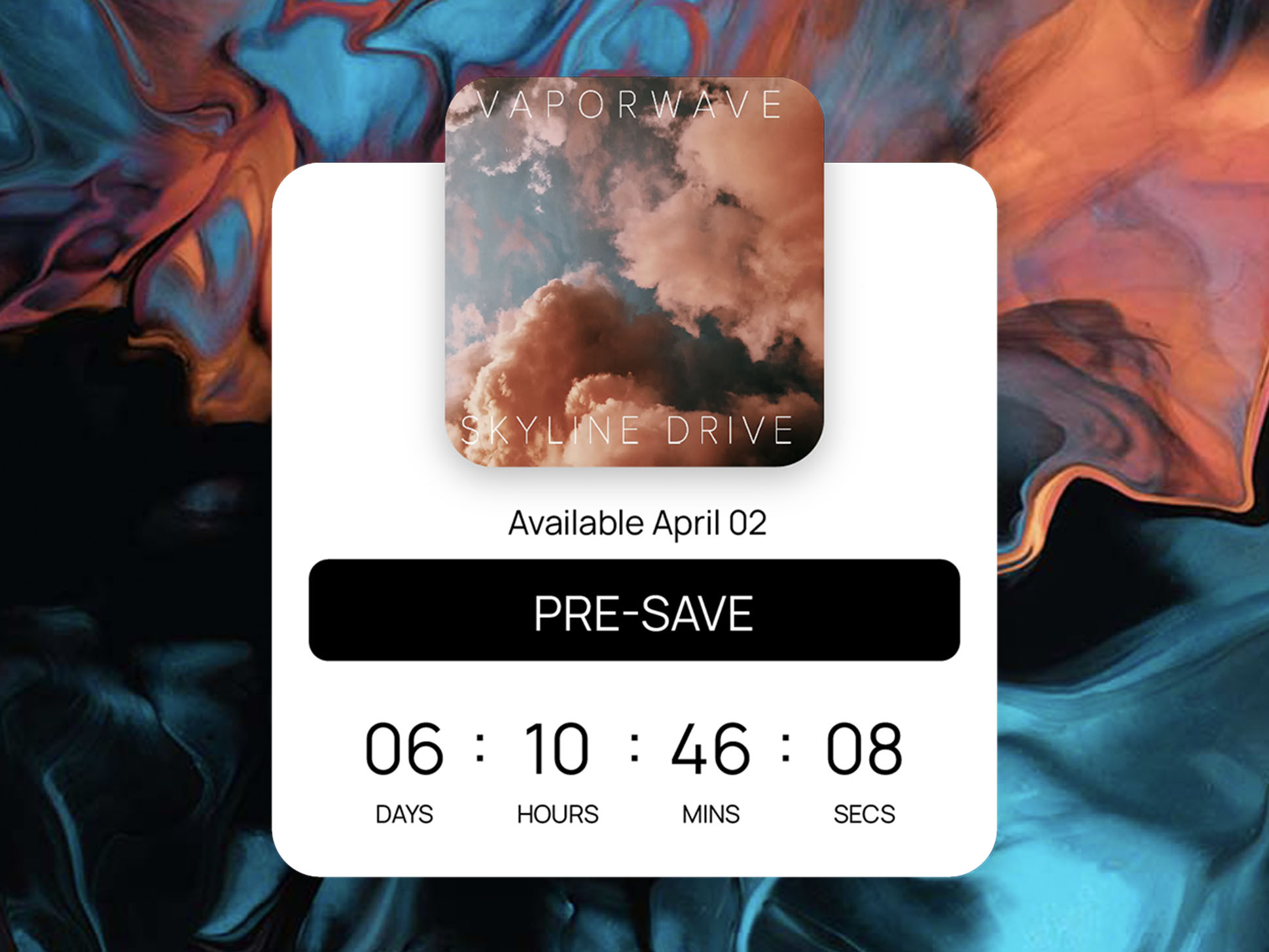
A pre-save plays an important role here. Mechanically, it allows a song to appear automatically in a listener’s library. Strategically, it signals intent. A fan who pre-saves has psychologically committed to the release before hearing it, which dramatically increases the likelihood of day-one engagement.
Hype, therefore, is not about volume of promotion. It is about increasing levels of audience participation.
Why Most Pre-Release Promotion Fails
The most common mistake artists make is compressing promotion into a short window.
An announcement followed immediately by heavy promotion creates fatigue without anticipation. Listeners have no time to develop curiosity or emotional investment, so marketing feels transactional rather than experiential.
Effective hype requires spacing.
Attention grows when information is revealed gradually. Each interaction should answer one question while creating another. When everything is revealed at once, curiosity disappears and engagement drops.
Another frequent problem is inconsistency. Visual identity, messaging, and release positioning change between posts, preventing audiences from recognizing that multiple pieces of content belong to the same campaign.
Momentum depends on recognition. Recognition depends on consistency.
The Psychology of Anticipation in Music Marketing
Anticipation works because the brain values expected rewards more than immediate ones.
When listeners know something is coming but cannot experience it yet, attention increases. This is why countdowns, teasers, and previews feel compelling when used correctly. They create a gap between expectation and fulfillment.
In music marketing, anticipation grows through three mechanisms:
- Familiarity: repeated exposure reduces resistance.
- Participation: audiences feel involved rather than marketed to.
- Escalation: information becomes progressively more revealing.
These mechanisms explain why structured pre-release strategies outperform spontaneous promotion. Each step intentionally increases psychological investment.
A well-designed campaign allows listeners to feel early ownership of the release, even before hearing the full song.
Phase One: Creating Awareness Without Promotion
The earliest stage of hype building should not feel promotional at all.
Before introducing a pre-save link or release announcement, artists benefit from establishing context. This might include aesthetic shifts, creative storytelling, or glimpses into the artistic process.
The goal is familiarity.
When audiences repeatedly encounter subtle signals that something new is happening, they begin forming expectations organically. By the time the official announcement arrives, attention already exists.
Effective awareness content often includes:
- Studio moments or creative snapshots
- Visual mood-setting aligned with the project era
- Short sonic textures or instrumental fragments
- Personal storytelling connected to the upcoming release
This phase lowers friction later. Listeners are more receptive to calls to action when they already feel emotionally connected to the project.
Phase Two: Turning Attention Into Commitment
Once awareness exists, the campaign shifts toward participation.
This is where the pre-save strategy becomes central. Introducing a pre-save link transforms passive interest into measurable engagement. Fans move from observing the campaign to joining it.
The key principle during this stage is simplicity. Audiences should encounter a single, consistent destination for the release across all platforms. Fragmented links or changing calls to action weaken conversion because they interrupt momentum.
A centralized campaign hub functions as marketing infrastructure rather than a temporary promotion. It allows artists to:
- Capture pre-save intent.
- Track engagement across channels.
- Maintain continuity throughout the rollout.
- Build an audience relationship that extends beyond one release.
When fans pre-save, they are not just bookmarking a song. They are signaling trust in the artist’s future output.
That signal matters both psychologically and algorithmically.
Phase Three: Escalation and Momentum
Hype intensifies when content evolves.
Repetition alone does not create excitement. Escalation does. Each week should reveal something slightly more meaningful than the previous one.
Early teasers become song snippets. Visual hints become artwork reveals. Abstract storytelling becomes personal context about the track.
This progression gives audiences a sense of forward movement.
During escalation, artists often introduce participation moments that invite interaction rather than passive viewing. Examples include fan questions, lyric previews, or community-driven content prompts.
Participation strengthens anticipation because audiences begin associating their own actions with the upcoming release.
At this stage, direct communication channels become particularly powerful. Messaging fans through email or SMS reaches listeners who have already demonstrated interest, reinforcing momentum without relying solely on social algorithms.
The campaign transitions from rented attention to owned relationships.
The Final Week: Synchronizing Audience Behavior
The last days before release are less about discovery and more about alignment.
A successful pre-release strategy ensures that many listeners are prepared to act simultaneously when the song drops. This concentration of behavior influences how streaming platforms interpret demand.
Reminders, countdown moments, and consistent messaging help synchronize listener activity. Rather than overwhelming audiences with new information, the campaign reinforces what they already know: when the release arrives and how to engage with it.
This alignment transforms anticipation into measurable momentum.
Why Sustainable Hype Requires Infrastructure
Short-term hype fades quickly when it relies only on social media visibility.
Sustainable momentum comes from systems that retain audience relationships across releases. When artists capture engagement through pre-saves, messaging opt-ins, or centralized campaign hubs, each release strengthens the next.
Marketing infrastructure turns hype into continuity.
Instead of rebuilding attention from zero every time, artists accumulate an audience that expects participation in future campaigns. Data, communication channels, and behavioral insights compound over time, allowing release strategies to become more precise and effective.
This is why modern music marketing increasingly resembles lifecycle marketing in SaaS rather than traditional promotion. Growth comes from sustained relationships, not isolated announcements.
The Real Goal of Pre-Release Hype
The purpose of hype is not simply to make people excited.
It is to prepare listeners to act.
When anticipation is built gradually, audiences arrive at release day ready to listen, share, and engage immediately. Early engagement signals influence discovery systems, extend reach, and create momentum that continues after launch.
More importantly, structured hype teaches audiences how to engage with an artist’s releases over time. Fans begin expecting participation, following campaigns proactively instead of discovering music accidentally.
In that sense, hype is not marketing decoration. It is audience conditioning.
And when done well, it transforms a release from content competing for attention into an event listeners feel part of before it even exists.

Keep reading
All posts
How to Build a 3-Step Action Flow: SMS Sign-Up to Pre-Save and Follow

New Project or New Landing Page? How to Structure Sonikit for Multiple Releases, Artists, or Tours