How to Market a Merch Drop to Music Fans: A Complete Campaign Playbook
A merch drop should never feel like a surprise announcement that disappears after a few social posts.
Yet that is how many campaigns are still executed.
An artist announces a new hoodie, shares the store link across social platforms, sends an email, posts a reminder a few days later, and then moves on to the next project. If sales are disappointing, the conclusion is often that the product was not compelling enough.
More often, the problem is not the merchandise.
It is the campaign.
Throughout this content series, we have introduced a recurring framework: successful music marketing is built around connected experiences, supported by marketing infrastructure that continuously strengthens fan relationships. Merchandise is not a separate marketing activity. It is one expression of fan engagement alongside streaming, pre-saves, SMS subscriptions, live events, and audience growth.
That perspective changes how a merch drop should be planned.
Instead of asking how to promote a product, the better question becomes: How do we create a campaign that gives every fan the right opportunity to discover, engage with, and purchase that product?
The answer is a repeatable campaign system.
Every Merch Drop Should Follow the Same Framework
Not every merch release is identical.
A limited vinyl pressing requires different messaging than an evergreen T-shirt. Tour merchandise serves a different purpose than anniversary collectibles.
Even so, the underlying campaign structure rarely changes.
Every successful merch drop moves through the same stages:
- Prepare the audience.
- Build a campaign destination.
- Launch in phases rather than all at once.
- Personalize communication.
- Remove unnecessary promotion after purchase.
- Continue the relationship after checkout.
- Measure results and improve the next campaign.
Once this framework becomes repeatable, each new release benefits from everything learned in the previous one.
Step 1: Prepare the Audience Before the Product Exists
The strongest merch campaigns begin before fans know a product is coming.
Preparation is less about generating excitement than creating the audience intelligence needed for relevant marketing later.
Before launch, review questions such as:
- Who purchased similar products previously?
- Who consistently pre-saves releases?
- Which fans regularly engage through SMS?
- Which subscribers have become inactive?
- Which geographic regions matter most?
These questions reflect another concept introduced throughout this content cluster: fan intelligence should continuously improve every campaign.
Instead of rebuilding an audience from scratch, every previous interaction contributes to a more accurate understanding of who should receive which message.
Step 2: Create Early Access Instead of a Single Launch
One public announcement treats every fan equally.
Relationships are rarely equal.
Some supporters have streamed every release for years. Others buy every vinyl pressing. Some joined the mailing list yesterday.
Early access acknowledges those differences.
Rather than opening sales to everyone simultaneously, consider creating phased access for audiences such as:
- Previous merchandise customers.
- SMS subscribers.
- Email subscribers.
- High-engagement fans.
- VIP or superfan segments.
Early access serves two purposes.
It rewards long-term supporters while generating early sales and social proof before the public launch begins.
More importantly, it reinforces the idea that fan relationships have tangible value beyond receiving marketing emails.
Step 3: Build a Landing Page Around the Campaign
One of the recurring themes throughout this series is that campaigns outperform collections of unrelated links.
A merch drop deserves its own campaign destination rather than a generic storefront.
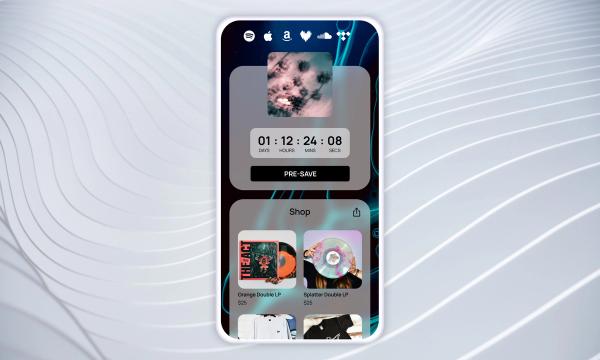
A campaign landing page can bring together:
- Featured merchandise.
- Product imagery.
- Streaming links.
- Music videos.
- Release information.
- Tour dates.
- Email or SMS signup.
- Social proof.
- Purchase calls to action.
This structure keeps every element connected to the same story.
Someone arriving to watch a music video may discover the accompanying vinyl.
Someone purchasing apparel may stream the newest single.
Someone joining the mailing list becomes part of the next campaign.
Each interaction reinforces the others rather than competing for attention.
Step 4: Coordinate Email and SMS Instead of Broadcasting Everything at Once
Many merch launches send identical messages through every channel at the same time.
That approach creates volume rather than momentum.
Instead, communication should unfold intentionally.
A typical campaign rhythm might look like this:
| Campaign Stage | Primary Communication |
|---|---|
| Teaser | Email and social preview |
| Early access | SMS or VIP email |
| Public launch | Email, landing page, social, streaming links |
| Low inventory reminder | Email and SMS to interested non-buyers |
| Final availability | Targeted reminder before the campaign ends |
The specific timing varies by campaign.
The important principle is that every communication has a purpose rather than repeating the previous message.
Step 5: Connect Streaming With Merchandise
Streaming and ecommerce are often treated as separate objectives.
Modern release campaigns benefit when they support one another.
Fans discovering a new single already have demonstrated interest.
Someone who follows on Spotify, pre-saves an album, or watches a music video may also be interested in the merchandise associated with that release.
Likewise, someone purchasing a limited edition vinyl is likely to engage more deeply with the music itself.
Rather than treating these as unrelated funnels, connected marketing infrastructure allows each interaction to inform the next.
Throughout this content cluster, we have described this as building connected experiences instead of isolated campaigns.
Step 6: Stop Promoting Products After Someone Buys Them
One of the simplest improvements any merch campaign can make is removing buyers from ongoing promotional messaging.
Nothing feels less personalized than receiving repeated advertisements for something that already arrived at your front door.
Buyer exclusions improve both campaign performance and fan experience.
Instead of continuing the same promotional sequence, purchasers can move into follow-up campaigns that acknowledge what they actually did.
This seemingly small change represents a broader shift from broadcast marketing toward relationship marketing.
Marketing becomes more relevant because it reflects fan behavior rather than campaign schedules.
Step 7: Follow Up After the Purchase
Checkout should never be the final interaction.
Purchasing merchandise is one of the strongest signals of commitment an artist can receive.
That moment deserves thoughtful continuation.
Post-purchase communication might include:
- Order confirmation and shipping updates.
- Behind-the-scenes content.
- Music videos connected to the release.
- Listening recommendations.
- Invitations to upcoming campaigns.
- Requests for fan photos or user-generated content.
The objective is not immediately selling another product.
It is reinforcing the relationship that motivated the purchase in the first place.
Step 8: Use Scarcity Carefully
Limited inventory has become one of the most common marketing tactics in ecommerce.
Used honestly, it helps fans understand that an opportunity is genuinely time-sensitive.
Used carelessly, it quickly loses credibility.
Scarcity works best when it reflects real constraints.
Examples include:
- Limited vinyl pressings.
- Numbered collector editions.
- Tour-exclusive merchandise.
- Release-week bundles.
- Anniversary collections.
- Artist-signed products.
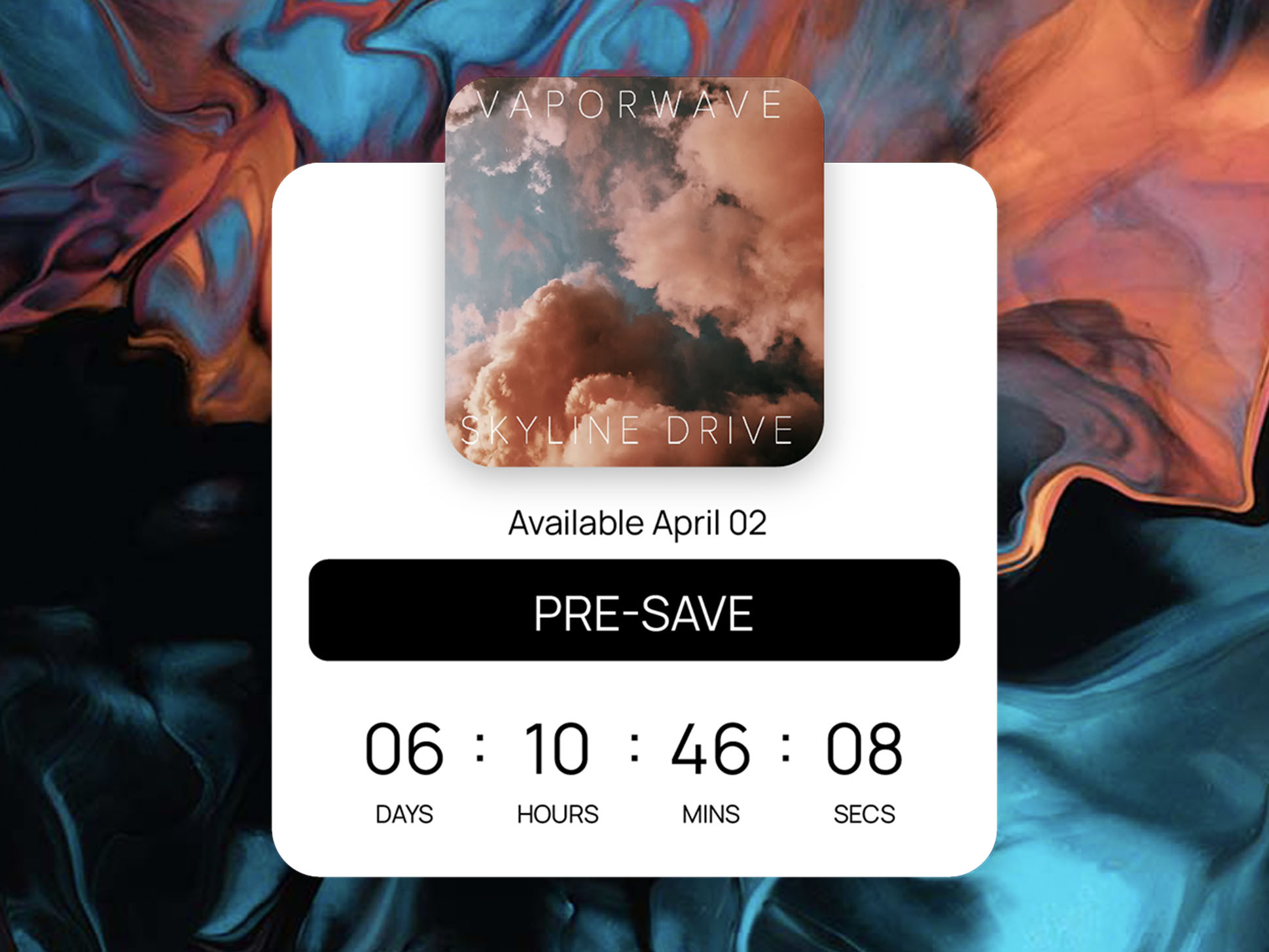
Artificial countdown timers attached to permanently available products rarely strengthen long-term trust.
Campaigns become more effective when urgency reflects reality rather than marketing theater.
Step 9: Measure More Than Revenue
Revenue is an essential outcome of a merch campaign.
It should not be the only outcome.
Modern marketing infrastructure allows artists to understand how merchandise contributes to the broader fan relationship.
Questions worth evaluating include:
- Which audience segments converted most effectively?
- Which communication channels produced purchases?
- Did SMS outperform email?
- Which landing page generated the highest engagement?
- Did streaming campaigns contribute to merchandise discovery?
- How many new fans joined email or SMS?
- Which products generated repeat customers?
These measurements create a feedback loop that improves every future release.
The goal is not simply reporting results.
It is continuously strengthening the marketing system itself.
Adapting the Playbook for Different Types of Merch Drops
The campaign framework remains consistent, but different products call for different emphasis.
Evergreen Products
Evergreen merchandise should become part of ongoing fan discovery rather than relying on short promotional windows.
Instead of concentrated launch campaigns, feature these products naturally alongside streaming pages, artist landing pages, email welcome sequences, and catalog promotions. New fans should encounter them continuously as they move deeper into the artist relationship.
Limited Drops
Limited releases benefit from exclusivity, segmented early access, and transparent inventory constraints.
Reward previous customers, SMS subscribers, and highly engaged fans before opening availability to the broader audience. Once inventory sells through, shift marketing toward waitlists or future releases rather than continuing unavailable promotions.
New-release Merchandise
Products tied to an album or single should reinforce the release itself.
Position merchandise beside pre-saves, streaming links, videos, and release announcements so every interaction contributes to the same campaign narrative. The product becomes another way for fans to participate in the release rather than an independent sales objective.
Vinyl and Physical Music
Physical music represents both merchandise and media.
Collectors often value signed editions, colored pressings, exclusive packaging, or bundled content as much as the recording itself.
Campaigns should emphasize the story behind the release, highlighting why this edition is distinct from simply streaming the music.
Tour Merchandise
Tour merchandise is inherently location-aware.
Instead of broadcasting identical promotions to every fan, connect campaigns to upcoming cities, regional audiences, and recent ticket buyers whenever possible.
Localized communication feels more relevant while reducing unnecessary messages for fans outside the tour market.
Anniversary Editions
Anniversary campaigns reconnect existing fans with music that already carries emotional significance.
Collectors, previous purchasers, and long-term subscribers are often the most receptive audience for commemorative releases, expanded editions, and retrospective content.
Rather than relying solely on nostalgia, connect anniversary merchandise to fresh storytelling through remastered releases, archival content, documentaries, or new performances.
Merchandise Is a Relationship Strategy, Not Just a Revenue Strategy
It is easy to measure a merch drop by units sold.
It is much harder, and ultimately more valuable, to measure what the campaign contributed to the long-term relationship between artist and fan.
Did more listeners become subscribers?
Did previous customers return?
Did streaming listeners become buyers?
Did buyers become repeat customers?
Did the campaign improve your understanding of the audience?
Those questions echo the central theme running throughout this content cluster.
Marketing systems become stronger when every campaign contributes new fan intelligence.
Streaming reveals listening intent.
Merchandise reveals financial commitment.
Email and SMS reveal communication preferences.
Landing pages connect every experience.
Segmentation turns fan intelligence into action.
Seen individually, each is simply another marketing tool.
Connected together, they become marketing infrastructure that compounds in value with every release, every purchase, and every fan interaction.
That is what transforms a merch drop from a product launch into a repeatable growth system.