Owned Audience vs Rented Audience: The Marketing Concept Every Artist Should Understand
Most artists believe they are building an audience.
In reality, many are borrowing one.
Social media followers, streaming listeners, and viral viewers often feel like indicators of growth. Numbers increase, engagement fluctuates, and visibility expands. Yet when a new release arrives, results frequently fall short of expectations. Reach disappears. Posts underperform. Streams plateau faster than anticipated.
This disconnect is not a failure of effort or creativity. It reflects a fundamental marketing concept that exists far beyond the music industry: the difference between owned audiences and rented audiences.
Understanding this distinction changes how artists approach music marketing, release strategy, and long-term career growth. More importantly, it explains why some artists achieve consistent momentum while others repeatedly restart from zero.
What Is a Rented Audience?
A rented audience is an audience you can access only through a platform that controls distribution.
Social networks, streaming services, and content platforms act as intermediaries between creators and listeners. Even when someone follows an artist, the platform ultimately decides whether communication occurs.
Algorithmic feeds determine visibility. Platform policies influence reach. Interface changes reshape discovery patterns. At any moment, access to the audience can shift without warning.
From a marketing perspective, this means the relationship is conditional.
Examples of rented audiences include:
- Social media followers
- Streaming platform listeners
- Algorithmic playlist audiences
- Short-form video viewers
These audiences are valuable for discovery but inherently unstable. Artists benefit from exposure but do not control communication.
This is why follower counts often fail to predict album release promotion performance. Visibility exists, but reliability does not.
What Is an Owned Audience?
An owned audience consists of listeners who have granted direct permission for communication outside algorithmic control.
Ownership does not imply possession of fans. It refers to access. An artist can reach these listeners consistently without depending on platform distribution decisions.
Common owned audience channels include:
- Email subscribers
- SMS fan communities
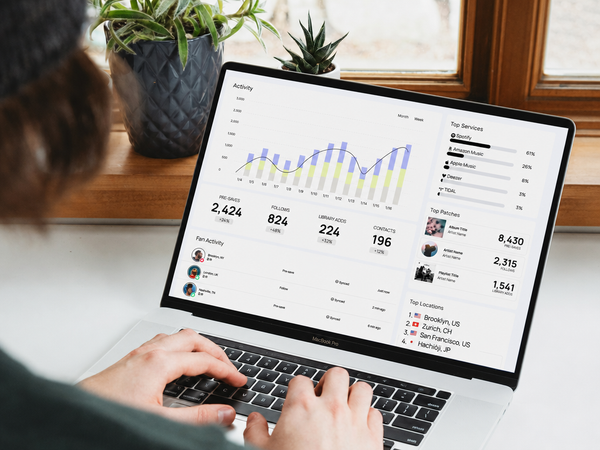
- Pre-save participants tied to campaign systems
- Direct fan platforms or membership environments
The defining characteristic is continuity. Communication can occur whenever needed, particularly during critical release moments.
Earlier in this content cluster, we introduced the idea that followers represent potential attention while fans represent reachable relationships. Owned audiences are where those relationships live.
Why This Concept Matters in Music Marketing
Modern music marketing operates within attention economies controlled by algorithms. Discovery is abundant, but consistency is scarce.
Streaming platforms are optimized to keep listeners engaged broadly rather than loyal to individual artists. Social platforms prioritize engagement diversity to maximize time spent inside feeds. As a result, even highly engaged audiences experience fragmented exposure.
Artists often interpret declining reach as a content problem when it is actually an access problem.
A rented audience creates unpredictable marketing outcomes because communication depends on external systems. An owned audience creates predictable outcomes because communication depends on artist-controlled infrastructure.
This difference becomes especially visible during pre-release strategy execution. Artists with direct audience access can concentrate listening activity immediately, strengthening algorithmic signals and improving discovery momentum.
A Simple Comparison
| Factor | Rented Audience | Owned Audience |
|---|---|---|
| Access Control | Platform-controlled | Artist-controlled |
| Visibility Reliability | Unpredictable | Consistent |
| Algorithm Dependence | High | Low |
| Release Activation | Limited | Direct |
| Long-Term Value | Temporary | Compounding |
Both audience types serve important roles. Discovery typically begins in rented environments. Sustainable growth occurs when listeners transition into owned environments.
The strategic objective is not abandoning platforms but balancing them.
Why Platforms Naturally Favor Rented Relationships
It is important to recognize that platforms are not acting against artists. Their incentives simply differ.
Social networks monetize attention through advertising. Streaming platforms optimize listening behavior to retain subscribers. Both systems benefit when user interaction remains inside the platform ecosystem.
Outbound actions, such as directing listeners toward external campaign pages or communication channels, compete with platform goals. As a result, algorithmic visibility may fluctuate when artists attempt to move audiences elsewhere.
This structural reality explains why relying exclusively on platform reach becomes increasingly difficult over time. Artists often feel forced to post more frequently just to maintain baseline engagement.
Audience ownership reduces this dependency by creating communication pathways independent of feed algorithms.
How Pre-Saves Bridge Rented and Owned Audiences
One of the most effective mechanisms for transitioning audiences is the pre-save campaign.
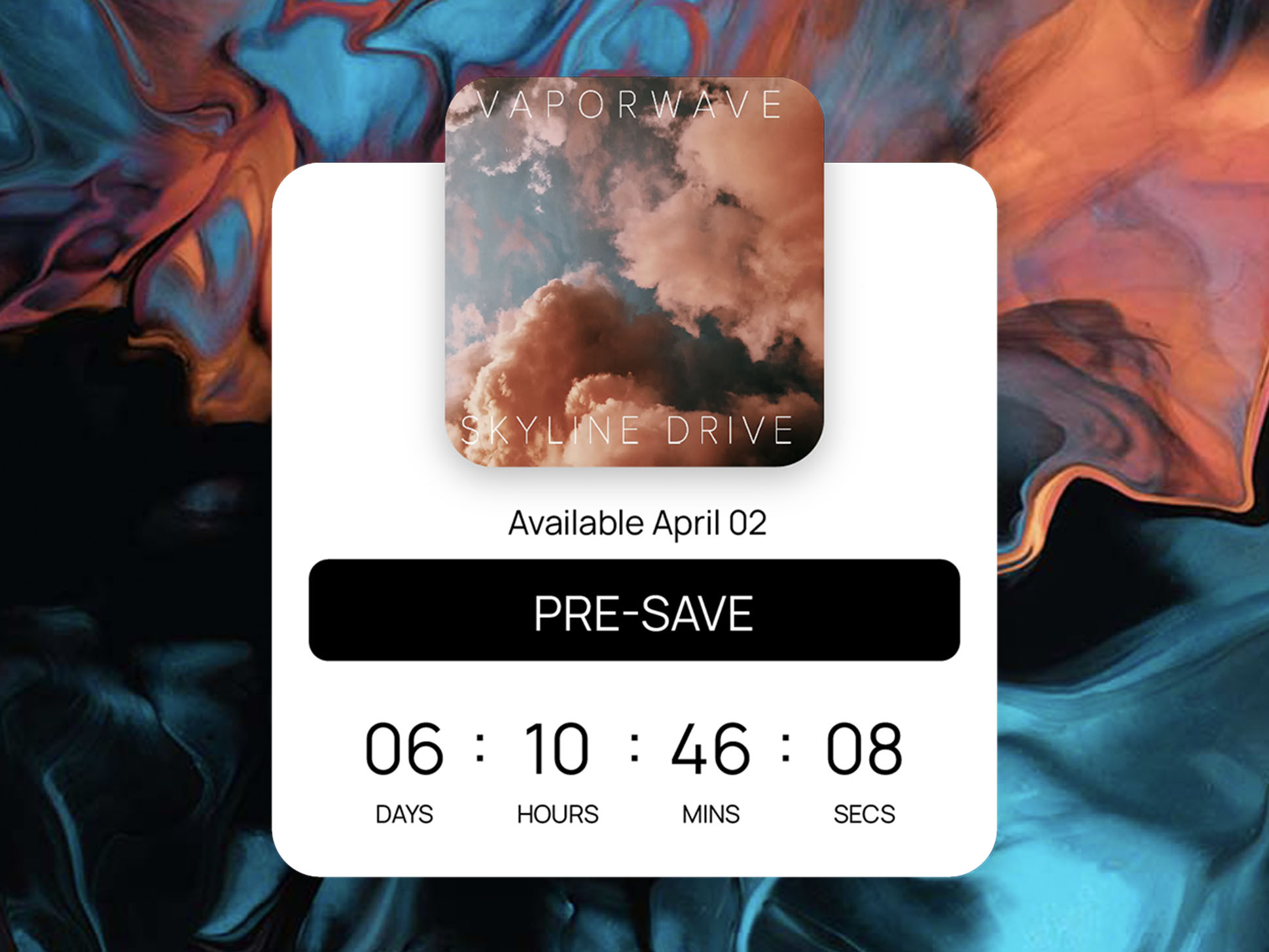
A pre-save link functions as more than a promotional asset. Strategically, it acts as a conversion point between discovery and relationship.
When a listener completes a pre-save, several things happen simultaneously:
- The listener signals future listening intent.
- The artist identifies an engaged audience member.
- Campaign systems can associate engagement data with future communication.
- Release-day listening becomes more concentrated.
Pre-saves therefore operate as a bridge between rented attention and owned audience infrastructure.
They transform passive discovery into measurable participation.
Over time, this process reveals an artist’s true fanbase, not just their visible reach.
The Compounding Effect of Audience Ownership
Owned audiences create momentum that persists across releases.
Each campaign grows a pool of listeners who can be activated again. Instead of rebuilding attention every cycle, artists expand an existing communication network.
This produces compounding growth:
- Release one builds initial audience ownership.
- Release two activates a larger core audience.
- Strong early engagement improves algorithmic distribution.
- New discovery listeners enter the ownership funnel.
Marketing effort begins generating long-term returns rather than temporary spikes.
This concept mirrors growth models used in successful digital businesses, where retention drives expansion more effectively than constant acquisition.
Rethinking Success Metrics
Artists often measure progress through public metrics because they are visible and easy to compare. Followers, streams, and views appear to represent momentum.
Owned audience strategy introduces different indicators of growth:
- Increasing pre-save participation rates
- Growth in direct communication subscribers
- Repeat engagement across releases
- Higher activation during launch windows
These signals are less visible externally but far more predictive of career stability.
An artist with a smaller owned audience may outperform a larger creator with primarily rented reach because activation reliability outweighs raw exposure.
Integrating Both Audience Types Into a Release Strategy
The most effective modern release strategies combine rented and owned audiences rather than choosing between them.
A simplified model looks like this:
- Social and streaming platforms generate discovery.
- Campaign experiences convert listeners into participants.
- Direct channels maintain ongoing relationships.
- Releases activate owned audiences first.
- Algorithmic discovery expands reach afterward.
This approach aligns with the broader framework discussed throughout this cluster: marketing infrastructure turns attention into continuity.
Social platforms remain essential, but they become acquisition engines rather than the entire marketing system.
The Long-Term Advantage Artists Rarely See Early
The benefits of audience ownership often appear gradually rather than immediately.
Early campaigns may feel similar regardless of strategy. The difference emerges over time as artists accumulate reachable listeners.
After several releases, owned audiences create stability that rented audiences cannot replicate. Marketing becomes more efficient, release outcomes become more predictable, and fan relationships deepen naturally.
Artists stop chasing attention and begin directing it.
This shift marks the transition from promotional marketing to operational growth.
The Future of Artist Marketing
As music distribution continues expanding and competition increases, audience access becomes the defining advantage for independent artists.
Discovery will always matter. Streaming platforms and social media remain powerful gateways to new listeners. But long-term success increasingly belongs to artists who convert exposure into relationship infrastructure.
Owned audiences provide resilience in an environment defined by constant algorithmic change.
They ensure that growth is not dependent on platform trends or viral moments, but on relationships that persist across releases, formats, and platforms.
Because in modern music marketing, visibility creates opportunity.
Ownership creates longevity.

Keep reading
All posts
How to Build a 3-Step Action Flow: SMS Sign-Up to Pre-Save and Follow

New Project or New Landing Page? How to Structure Sonikit for Multiple Releases, Artists, or Tours