The Direct-to-Fan Marketing Playbook for Independent Artists
For most of the streaming era, artists have been taught to chase exposure.
Grow followers. Go viral. Reach new audiences. Increase visibility.
Discovery has become the dominant narrative in music marketing. Yet many independent artists experience the same recurring frustration: audience growth does not reliably translate into release performance. A new single launches, engagement appears strong online, but streams plateau quickly and momentum fades within days.
The issue is not creativity or effort. It is structure.
Modern music marketing is undergoing a shift away from audience accumulation toward audience ownership. Direct-to-fan marketing is not simply another promotional tactic. It represents a different operating model for how artists build careers in an algorithm-driven ecosystem.
This playbook outlines how that model works and why it increasingly defines sustainable growth for independent artists.
What Direct-to-Fan Marketing Actually Means
Direct-to-fan marketing is often misunderstood as selling merchandise or communicating more frequently with listeners. In reality, it is a strategic framework centered on access.
Direct-to-fan marketing refers to building communication channels that allow artists to reach listeners without relying on platform algorithms or intermediaries. Instead of hoping content reaches audiences through feeds or recommendations, artists develop systems that enable consistent, permission-based communication.
A direct fan relationship exists when an artist can reliably reach a listener on demand through channels such as SMS, email, or campaign participation.
This distinction changes the role of marketing entirely. Promotion becomes less about broadcasting messages and more about maintaining an ongoing relationship infrastructure.
In previous articles within this cluster, we described the difference between followers and fans. Followers represent potential attention. Fans represent reachable audience members. Direct-to-fan marketing is the process of converting one into the other.
Why the Industry Is Moving Toward Audience Ownership
Streaming created unprecedented access to listeners, but it also introduced extreme competition. Thousands of songs compete for attention every hour, and recommendation systems reward early engagement signals.
This environment favors artists who can mobilize listeners immediately at release.
Platforms like Spotify interpret early activity as proof of listener interest. Pre-saves, day-one streams, and repeat engagement help determine algorithmic distribution. Artists who can activate listeners quickly often see sustained discovery afterward.
This creates a paradox. Algorithms drive discovery, but direct relationships drive algorithmic success.
Direct-to-fan marketing resolves this paradox by ensuring artists do not depend entirely on unpredictable reach during critical release windows.
The Core Principle: Marketing Infrastructure Over Promotion
Traditional promotion treats each release as a new campaign starting from zero. Direct-to-fan strategy treats every campaign as an expansion of an existing system.
Marketing infrastructure is the collection of tools, data, and communication channels that persist between releases. Instead of rebuilding attention each cycle, artists strengthen a permanent audience foundation.
This infrastructure typically includes:
- A centralized campaign destination such as a landing page
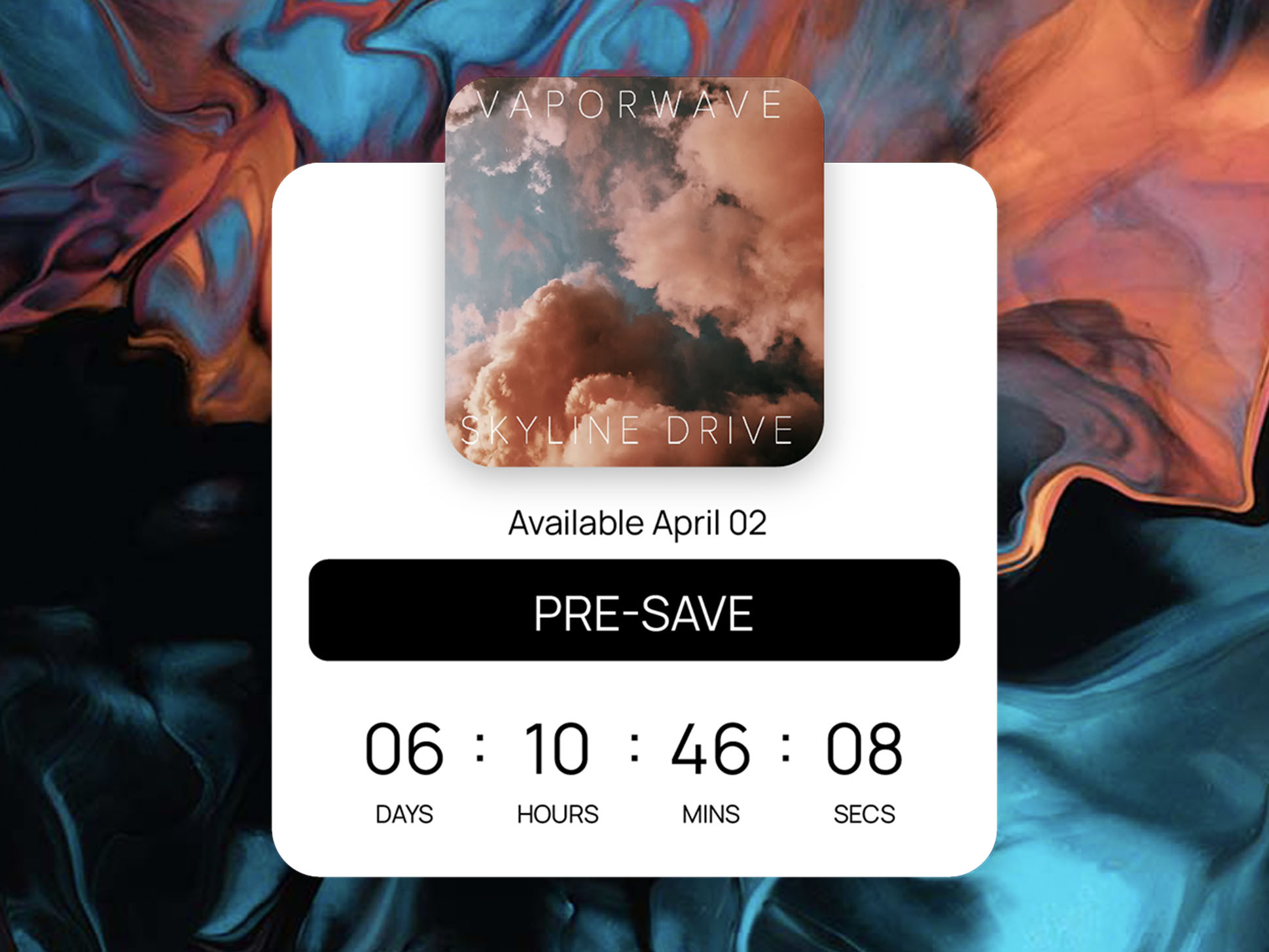
- Pre-save flows that capture early intent
- Messaging channels for direct communication
- Audience analytics that identify engaged listeners
A pre-save link plays a central role here. Strategically, it is not just a conversion tool but an audience identification mechanism. Each pre-save reveals listeners most likely to engage deeply with future releases.
Over time, this transforms marketing from audience guessing into audience activation.
The Direct-to-Fan Funnel
Direct-to-fan marketing works because it mirrors proven growth models used in modern SaaS and digital media companies. Instead of treating discovery as the final goal, discovery becomes the entry point into a structured relationship funnel.
A simplified version looks like this:
- Discovery
Social media, collaborations, playlists, and content introduce new listeners. - Conversion
Listeners are guided toward a campaign action such as a pre-save or signup. - Ownership
The artist gains permission to communicate directly through messaging or fan platforms. - Activation
Releases, announcements, and campaigns reach fans reliably. - Retention
Ongoing communication strengthens long-term engagement across releases.
The key insight is that discovery alone does not compound. Relationships do.
Why Pre-Release Strategy Matters More Than Release Day
Many artists concentrate their marketing energy after music becomes available. Direct-to-fan marketing reverses this timeline.
The pre-release phase is where audience conversion happens.
A strong pre-release strategy focuses on turning casual listeners into committed participants before launch. Pre-saves become especially powerful because they align listener intent with platform algorithms.
When fans pre-save a release, several things occur simultaneously:
- The listener signals anticipation and interest.
- The artist identifies high-intent audience members.
- Streaming platforms receive early engagement indicators.
- Release day listening becomes more concentrated.
This concentration of early activity increases the probability of algorithmic expansion, making pre-release strategy one of the highest-leverage phases of album release promotion.
Social Media’s New Role in Music Marketing
Direct-to-fan marketing does not replace social media. It reframes it.
Social platforms function best as discovery engines rather than relationship systems. Their purpose becomes generating awareness that feeds into owned audience channels.
Instead of optimizing solely for engagement metrics, artists begin optimizing for audience movement.
Effective content encourages listeners to take the next step, whether that means joining a campaign, visiting a landing page, or participating in a pre-save experience.
This subtle shift changes how success is measured. The most valuable content is not always the most viral content. It is the content that converts attention into connection.
Building a Repeatable Release Engine
One of the most important outcomes of direct-to-fan marketing is predictability.
Artists often experience inconsistent release results because audience reach fluctuates across platforms. Direct communication stabilizes performance by ensuring a baseline level of engagement every time music launches.
Over multiple releases, this creates a compounding effect:
- Each campaign grows the owned audience.
- Each new release activates a larger core fan base.
- Strong early engagement improves algorithmic distribution.
- Discovery audiences feed back into the funnel.
Marketing evolves from campaign-based effort into a repeatable release engine.
This is why many independent artists eventually outperform expectations despite modest social followings. Their growth is driven by system design rather than platform volatility.
Common Misconceptions About Direct-to-Fan Marketing
Several myths prevent artists from adopting this approach early.
First, direct-to-fan marketing is not only for large artists. Smaller artists often benefit more because direct relationships amplify limited audiences.
Second, it is not about constant messaging. Effective systems prioritize relevance and timing rather than frequency. Communication tied to meaningful moments, such as pre-release updates or exclusive announcements, strengthens engagement instead of overwhelming listeners.
Third, it is not anti-platform. Streaming services and social media remain essential discovery channels. Direct-to-fan marketing simply ensures artists maintain continuity when platform reach changes.
Understanding these distinctions helps artists see direct marketing as an enhancement to existing promotion rather than a replacement.
From Audience Growth to Audience Equity
A useful way to think about direct-to-fan marketing is through the concept of audience equity.
Followers represent temporary visibility. Owned audiences represent long-term assets that grow in value over time.
Each fan who opts into communication increases an artist’s ability to launch future projects successfully. Over months and years, this accumulated access becomes more valuable than any single viral moment.
Audience equity transforms marketing outcomes from unpredictable spikes into sustained growth trajectories.
Artists stop asking how to promote a single release and begin asking how each release strengthens their long-term ecosystem.
The Future of Independent Artist Marketing
The independent music landscape increasingly rewards artists who operate like modern digital brands. Success depends less on chasing exposure and more on building systems that turn listeners into participants.
Direct-to-fan marketing reflects a broader industry evolution. As algorithms become more competitive and discovery fragments across platforms, ownership becomes stability.
Artists who invest early in audience infrastructure gain a durable advantage. They launch releases with momentum already in motion rather than hoping momentum appears after launch.
The most successful independent artists of the next decade will not simply be those who attract attention. They will be those who build reliable pathways between their music and the people who care about it.
Because in modern music marketing, growth is no longer defined by how many people discover you.
It is defined by how many you can reach again tomorrow.

Keep reading
All posts
How to Build a 3-Step Action Flow: SMS Sign-Up to Pre-Save and Follow

New Project or New Landing Page? How to Structure Sonikit for Multiple Releases, Artists, or Tours