The Complete Guide to Spotify Pre-Saves (2026 Edition): Strategy, Data & Release Infrastructure
In modern music marketing, the moment a song releases is no longer the beginning of promotion. It is the outcome of it.
Streaming has fundamentally changed how momentum is created. Instead of radio premieres or retail launches defining success, platforms like Spotify now evaluate listener behavior before a release ever becomes public. Engagement signals, early saves, and fan intent increasingly shape whether a track gains algorithmic visibility during its most critical window.
This shift is why pre-saves have evolved from a simple promotional tactic into a core component of release strategy.
Yet despite widespread adoption, most explanations of pre-saves remain tactical and shallow. Artists are told to “share a link” without understanding what actually happens behind the scenes or why certain campaigns succeed while others generate little impact.
This guide explains pre-saves from a strategic perspective: how they work technically, how Spotify interprets them, and how they fit into a modern marketing system designed for long-term audience growth.
What a Spotify Pre-Save Actually Is
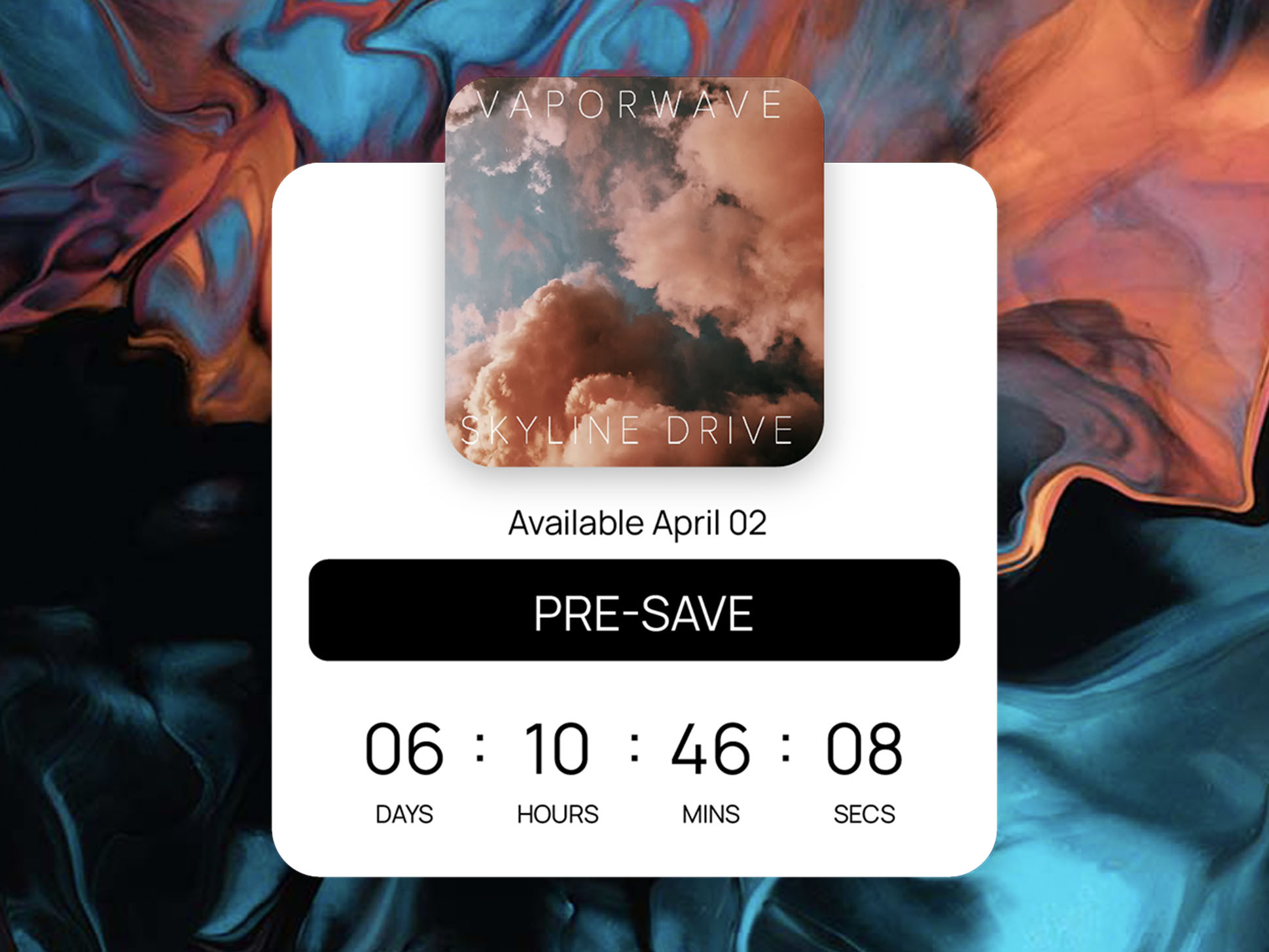
A Spotify pre-save is a permission-based action that allows a listener to automatically save an upcoming release to their Spotify library the moment it becomes available.
When a fan clicks a pre-save link, they authorize an application through Spotify’s login system. That authorization grants limited access to perform a specific action on release day, typically adding the track or album to the listener’s library or triggering a follow action for the artist.
From a user perspective, the interaction feels simple. Click a link, approve access, and wait for the release. From Spotify’s perspective, however, something more important occurs: a listener has expressed intent before hearing the music.
Intent signals matter because streaming platforms increasingly optimize discovery based on predicted engagement rather than historical popularity alone.
A pre-save represents a measurable prediction that a listener plans to engage with a release immediately.
Why Pre-Saves Matter More in 2026 Than They Did Before
Early pre-save campaigns were often treated as vanity metrics. Artists counted totals without understanding downstream effects. Today, pre-saves function more like launch momentum indicators within Spotify’s broader recommendation ecosystem.
Spotify evaluates early listener behavior during the first hours and days of release. Strong early engagement can influence inclusion in algorithmic surfaces such as Release Radar, Radio, and personalized discovery feeds.
Pre-saves contribute indirectly to this process by concentrating listener activity at launch.
When a release immediately generates saves, plays, and repeat listening from an already engaged audience, Spotify receives a clear signal: listeners are responding quickly and intentionally. That rapid engagement helps establish performance baselines that algorithms use when deciding whether to expand distribution.
Pre-saves do not guarantee playlist placement. What they do is increase the probability that early engagement happens at scale and at the right time.
Timing, not just volume, is the real advantage.
How the Pre-Save Mechanism Works Behind the Scenes
Understanding the mechanics clarifies why some campaigns outperform others.
A typical pre-save workflow follows four stages:
- Authorization
A listener signs into Spotify and grants permission through OAuth authentication. - Data Association
The marketing platform records the listener’s authorization and associates it with the upcoming release. - Release Detection
Once Spotify publishes the track, the system detects availability via Spotify’s API. - Automatic Library Action
The release is added to the listener’s library instantly, often triggering notifications or surfacing the track higher within the listener’s interface.
The critical insight is that pre-saves compress listener action into the exact moment algorithms are measuring engagement most closely.
Without pre-saves, listeners discover a release gradually. With pre-saves, engagement arrives concentrated at launch.
The Strategic Role of Pre-Saves in a Release Campaign
Many artists still treat pre-saves as a single promotional step: post a link two weeks before release and hope for conversions.
In practice, pre-saves work best when positioned as the central action within a broader pre-release narrative.
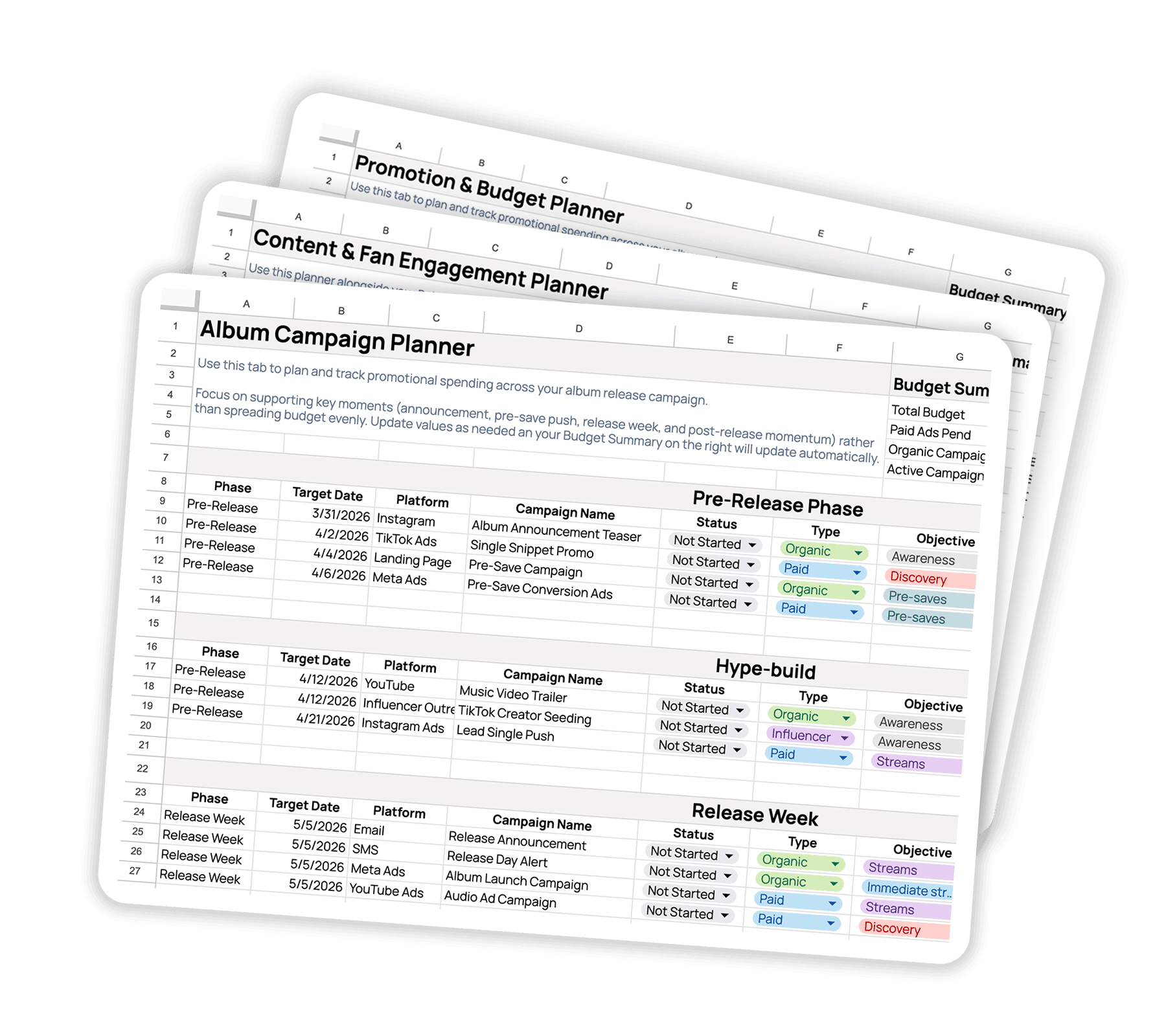
A modern release campaign often unfolds across three phases:
| Phase | Primary Goal | Listener Behavior |
|---|---|---|
| Awareness | Introduce upcoming music | Passive discovery |
| Intent | Encourage pre-commitment | Pre-saves, follows, signups |
| Activation | Drive release-day engagement | Streaming, sharing, repeat listening |
Pre-saves sit squarely in the intent phase. They transform casual awareness into measurable commitment.
This distinction matters because intent audiences behave differently. Fans who pre-save are statistically more likely to stream immediately, save the track again organically, and share it within their networks.
In other words, pre-saves help convert attention into action before release day arrives.
Why Some Pre-Save Campaigns Fail
The majority of underperforming campaigns share a similar issue: they prioritize distribution over motivation.
Artists often assume exposure alone drives conversions. In reality, listeners rarely pre-save music unless given a compelling reason to care early.
Common failure patterns include:
- Announcing a release without narrative context
- Launching pre-saves too early without sustained content
- Treating pre-saves as a single social post instead of an ongoing campaign
- Sending audiences to generic landing experiences with no emotional payoff
Pre-saves require psychological framing. Fans must feel that participation matters, whether through exclusivity, anticipation, or deeper connection to the artist’s story.
Successful campaigns build momentum gradually, not suddenly.
Designing a High-Performing Pre-Release Strategy
Effective pre-save campaigns align marketing activity with audience psychology rather than platform mechanics.
A strong structure typically includes:
1. Narrative Setup
Introduce the release through storytelling, behind-the-scenes content, or thematic framing before asking for action.
2. Clear Conversion Moment
Present the pre-save as the natural next step for engaged listeners, not as a cold request.
3. Ongoing Reinforcement
Use short-form video, SMS updates, or fan messaging to remind audiences as anticipation builds.
4. Release Synchronization
Ensure audiences know exactly when the music arrives, reinforcing the payoff for pre-saving.
Notice that the strategy emphasizes continuity. Pre-saves perform best when embedded inside an ongoing relationship between artist and audience.
Pre-Saves as Audience Infrastructure, Not Just Promotion
One of the most significant shifts in music marketing over the past few years is the move away from platform-dependent promotion toward owned audience relationships.
Traditional pre-save campaigns focused only on increasing Spotify numbers. Modern campaigns increasingly use the moment of fan intent to build persistent audience connections.
When a listener pre-saves, they are demonstrating trust. That interaction can become the starting point for a broader fan relationship system involving messaging, analytics, and future campaign targeting.
This is why newer marketing platforms position pre-saves within a larger campaign infrastructure rather than as isolated links. The goal is not just one successful release but a continuously compounding audience.
Artists who treat each pre-save as a long-term relationship signal gain increasing advantages with every release cycle.
The Role of Data and Analytics in Pre-Save Campaigns
Pre-save totals alone provide limited insight. What matters is understanding who converts and how those listeners behave afterward.
Modern analytics allow artists to evaluate patterns such as:
- Conversion rates across different traffic sources
- Geographic engagement before release
- Fan segments most likely to stream immediately
- Messaging channels that drive the highest intent
These insights reshape future campaigns. Instead of guessing where promotion works, artists can refine targeting based on demonstrated fan behavior.
Over time, release marketing becomes less about experimentation and more about optimization.
Pre-Saves vs Smart Links vs Fan Messaging
Pre-saves are often grouped with other music marketing tools, but they serve a distinct role within the release lifecycle.
| Tool | Primary Purpose | Best Used When |
|---|---|---|
| Pre-Save Link | Capture intent before release | Pre-release campaigns |
| Smart Link | Route listeners across platforms | Post-release discovery |
| Fan Messaging | Activate existing audience | Throughout campaign lifecycle |
Pre-saves initiate momentum. Smart links extend reach after launch. Messaging sustains engagement between releases.
Understanding these differences prevents campaigns from relying on a single tactic to solve multiple marketing problems.
How Pre-Save Strategy Is Evolving
The biggest change heading into 2026 is that marketing success increasingly depends on continuity between releases rather than isolated launches.
Artists are shifting toward evergreen audience systems where each campaign strengthens the next one. Pre-saves play a foundational role because they identify highly engaged listeners early and repeatedly.
As streaming competition grows, algorithms reward consistency and listener retention more than sudden spikes in attention. Campaigns that nurture ongoing fan relationships outperform those built around short promotional bursts.
In this environment, pre-saves function less like promotional tools and more like early indicators of audience health.
The Future of Pre-Release Marketing
Pre-saves are ultimately about reducing uncertainty.
Before streaming, artists released music into the market without knowing how audiences would respond. Today, pre-release engagement provides predictive insight into launch performance.
The artists who benefit most are those who treat pre-saves not as a marketing checkbox but as part of a broader campaign engine that connects storytelling, audience data, and direct fan relationships.
The release moment still matters. But increasingly, success is determined long before the song goes live.
Pre-saves simply make that invisible momentum measurable.

Keep reading
All posts
How to Build a 3-Step Action Flow: SMS Sign-Up to Pre-Save and Follow

New Project or New Landing Page? How to Structure Sonikit for Multiple Releases, Artists, or Tours