Why Social Media Followers Don’t Equal Fans (And What Artists Should Build Instead)
For most artists, success still looks like numbers on a screen.
Follower counts. Likes. Views. Shares. Viral moments.
Modern music marketing has trained artists to treat social media growth as proof of audience growth. Yet many artists discover a frustrating reality the moment they release new music: tens of thousands of followers can translate into only a handful of streams, pre-saves, or ticket buyers.
The disconnect is not accidental. It is structural.
Social media followers are not fans in the traditional marketing sense. They are rented attention inside platforms designed to prioritize engagement, not relationships. Understanding this distinction is one of the most important strategic shifts an artist can make when building a sustainable release strategy.
The artists who grow consistently today are not simply building audiences. They are building systems that convert attention into ownership.
The Hidden Problem With Social Media Growth
Social platforms optimize for consumption, not connection.
Every algorithmic feed exists to maximize time spent on the platform. Content is distributed based on predicted engagement behavior rather than audience loyalty. A follower does not guarantee visibility because the platform decides whether your audience sees your work at all.
This means a follower relationship is fundamentally conditional.
Even highly engaged creators often reach only a small percentage of their followers with any given post. Algorithm changes, content saturation, and shifting user behavior constantly reshape who sees what. From a marketing perspective, this creates a fragile foundation for release campaigns.
A follower represents potential attention. A fan represents reliable access.
That difference becomes critical during album release promotion, when timing and consistency matter most.
Followers vs Fans: A Marketing Definition
In traditional marketing terms, a fan is not defined by awareness but by permission.
A follower is someone who has signaled interest within a platform. A fan is someone who has granted direct communication access outside of algorithmic control.
This distinction explains why artists with smaller audiences sometimes outperform larger creators during releases. Their audiences are reachable.
A true fan relationship typically includes at least one of the following:
- Email or SMS subscription
- Participation in a pre-save or campaign action
- Direct opt-in communication
- Repeat engagement across releases
These signals indicate intent rather than passive consumption. Marketing systems can reliably activate intent. Algorithms cannot.
When artists struggle with weak release performance despite strong social numbers, the issue is rarely content quality. It is audience architecture.
The Algorithm Illusion
Social growth creates what marketers call an attribution illusion. Metrics appear meaningful because they are visible and immediate, but they do not necessarily correlate with outcomes.
Consider two artists:
| Artist | Followers | Direct Fan List | Release Day Streams |
|---|---|---|---|
| Artist A | 120,000 | 1,200 | Moderate spike |
| Artist B | 18,000 | 6,000 | Strong sustained growth |
Artist A owns attention only when algorithms allow it. Artist B owns communication channels that can be activated on demand.
Streaming platforms themselves reinforce this dynamic. Early listener activity signals momentum to recommendation systems like Release Radar or algorithmic radio. Pre-saves, early streams, and repeat engagement matter more than passive awareness.
This is why modern pre-release strategy increasingly focuses on converting social traffic into owned audience actions before music launches.
Why Platforms Discourage Ownership
It is important to understand that social platforms are not broken. They are working exactly as intended.
Platforms benefit when artists depend entirely on them for audience access. Direct relationships reduce platform dependency, which is why outbound links often receive lower reach and why algorithm priorities constantly shift toward native engagement formats.
From a business perspective, platforms sell access to audiences through advertising. Artists who rely solely on organic reach eventually face declining visibility.
This creates a predictable cycle:
- Artists grow followers through content.
- Organic reach declines over time.
- Paid promotion becomes necessary to reach the same audience.
- Audience access becomes increasingly expensive.
Artists who build owned audience infrastructure interrupt this cycle.
What Artists Should Build Instead: Audience Infrastructure
The goal of modern music marketing is not visibility alone. It is conversion from attention into relationship.
Audience infrastructure refers to systems that allow artists to communicate with listeners directly, repeatedly, and independently of algorithms.
This typically includes:
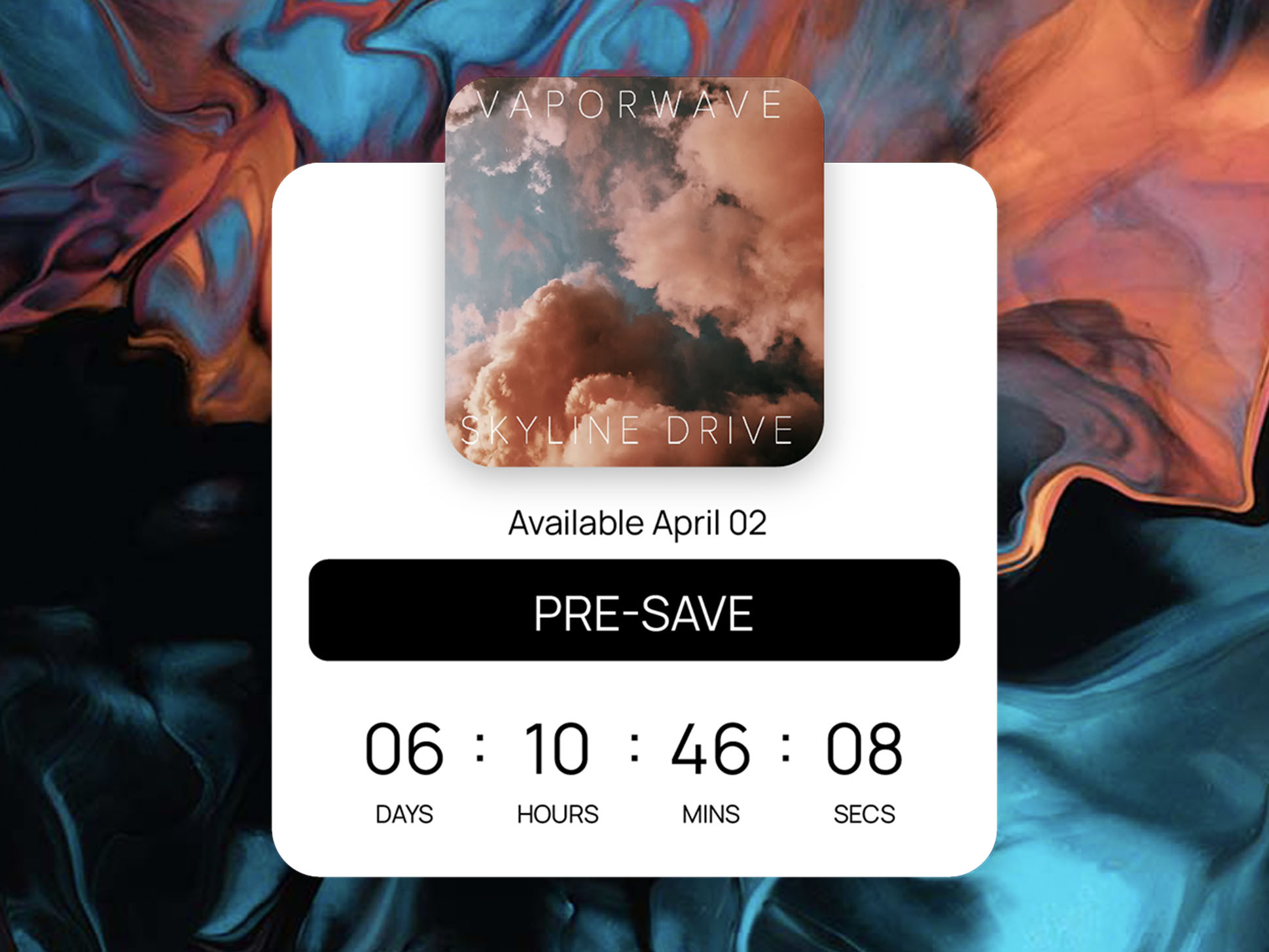
- Pre-save campaigns that capture intent before release
- SMS or email fan communities
- Landing pages designed for conversion rather than discovery
- Analytics systems that track real engagement behavior
A pre-save link, for example, is often misunderstood as a promotional tactic. Strategically, it functions as a relationship gateway. When a listener commits to a pre-save, they signal future interest and allow artists to identify their most engaged audience segment before release day.
This transforms marketing from guessing who might listen into activating people who already intend to.
The Role of Pre-Saves in Audience Ownership
Pre-saves are powerful not because of the platform mechanics alone, but because of what they reveal about listener psychology.
A casual listener streams a song after release. A fan commits before hearing it.
That distinction changes how release campaigns should be structured.
Effective pre-release strategy treats pre-saves as early fan identification rather than vanity metrics. Each pre-save represents a listener willing to take an action, which strongly predicts future engagement behavior.
When artists structure campaigns around pre-save funnels, they begin to separate passive audiences from active communities. Over time, this creates a feedback loop:
- Pre-save participants receive early communication.
- Early listeners drive algorithmic momentum.
- Momentum attracts new discovery listeners.
- New listeners enter the conversion funnel.
Audience ownership and algorithmic growth begin reinforcing each other rather than competing.
From Campaign Marketing to Relationship Marketing
Traditional music promotion focused on bursts of attention around release dates. Modern marketing favors continuity.
Relationship marketing treats every release as part of an ongoing conversation rather than an isolated event. Instead of restarting audience building each cycle, artists expand an existing communication network.
This changes how album release promotion works.
Instead of asking, “How do we reach as many people as possible this week?” artists begin asking, “How many listeners can we reliably activate every time we release?”
The second question produces compounding growth.
Artists with strong direct fan systems often experience smaller but more consistent spikes that grow over time. Each release strengthens future performance because the audience relationship persists beyond individual campaigns.
A Practical Shift in Release Strategy
Artists do not need to abandon social media. Social platforms remain powerful discovery engines. The strategic shift is understanding their role.
Social media should function as the top of the funnel, not the entire funnel.
A simplified modern workflow looks like this:
- Social content creates discovery and awareness.
- Traffic moves toward a centralized campaign destination.
- Fans opt into actions such as pre-saves or messaging lists.
- Release communication happens through owned channels.
- Analytics inform future targeting and messaging.
This approach converts unpredictable reach into predictable activation.
Over time, marketing becomes less dependent on viral moments and more dependent on system design.
Why This Matters More Than Ever
The music industry has entered an era of infinite supply. Thousands of songs release every hour, and listener attention fragments across platforms and formats.
In this environment, visibility alone is temporary. Relationship durability becomes the competitive advantage.
Artists who build owned audiences gain three long-term advantages:
- Consistent release performance independent of algorithms
- Lower marketing costs over time
- Deeper listener loyalty and retention
These advantages compound across years rather than individual campaigns.
Marketing infrastructure replaces marketing luck.
The Future of Artist Growth
The next phase of music marketing resembles modern SaaS growth more than traditional promotion. Sustainable growth comes from lifecycle engagement, retention, and audience understanding rather than one-time reach.
Artists are no longer only creators. They are operators of audience ecosystems.
Platforms will continue to change. Algorithms will continue to evolve. Discovery channels will come and go.
Direct fan relationships remain stable across all of them.
The artists who grow strongest in the coming years will not necessarily be those with the largest follower counts. They will be the ones who quietly build systems that transform attention into connection, and connection into long-term audience ownership.
Followers measure visibility.
Fans measure resilience.
And resilience is what turns a release into a career.

Keep reading
All posts
How to Build a 3-Step Action Flow: SMS Sign-Up to Pre-Save and Follow

New Project or New Landing Page? How to Structure Sonikit for Multiple Releases, Artists, or Tours