How to Connect Streaming and Merch Data for a Complete View of Your Fans
Artists and labels collect valuable fan data across streaming platforms, ecommerce stores, landing pages, email, SMS, and other marketing channels. The problem is that each platform usually provides only a partial view of the audience.
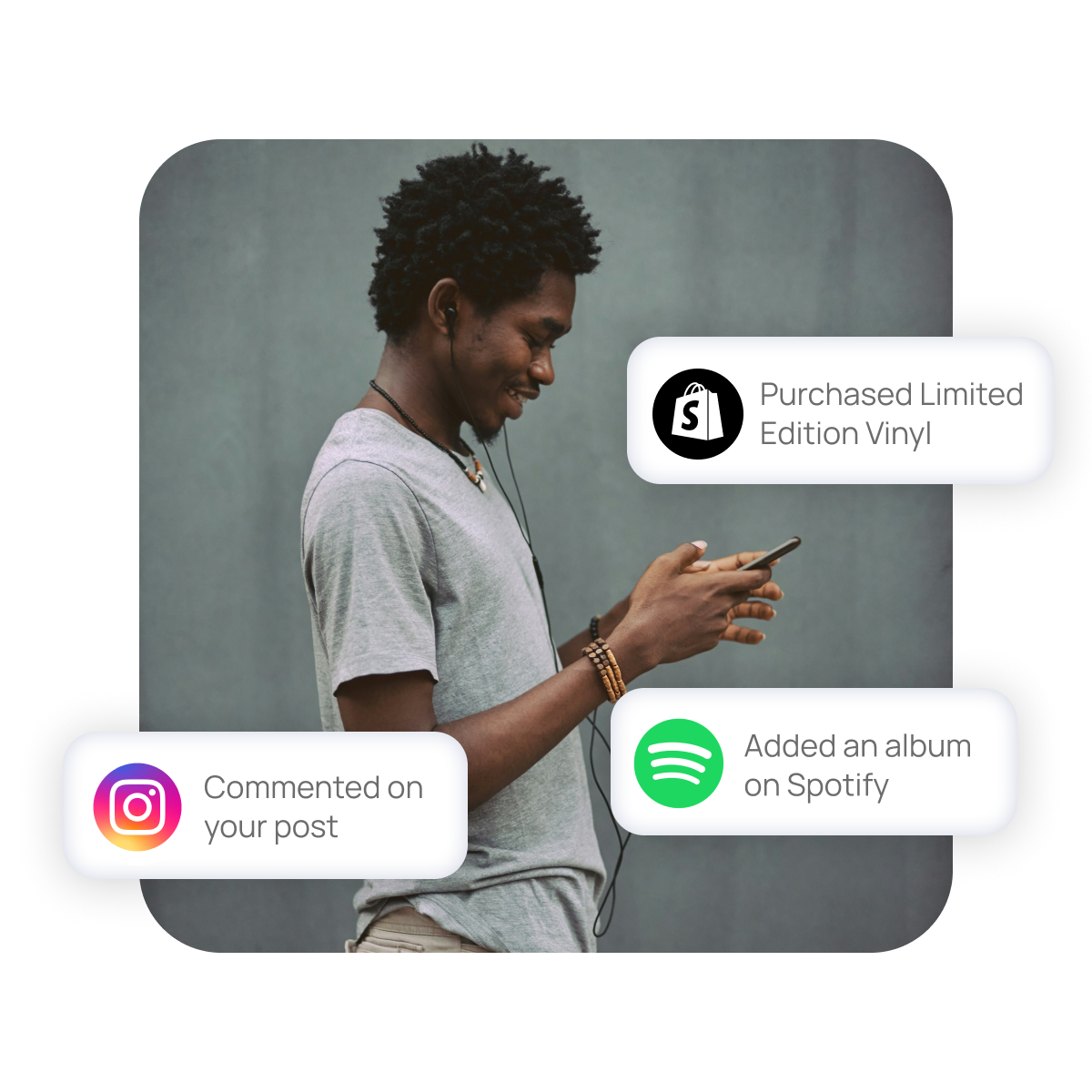
Shopify might show that someone purchased a vinyl record. A pre-save campaign might show that a fan saved the same album before release. An email platform might show that a subscriber clicked the announcement. Without connected data, the artist may not know that all three actions came from the same person.
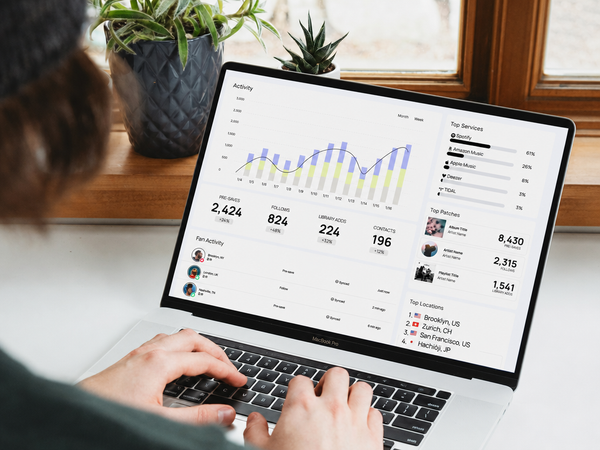
Connecting streaming and merch data brings recognized fan activities into a more complete audience profile. This can help artists identify which customers also engage with their music, which active listeners have never purchased, and which fans have supported them across multiple channels.
The result is more than better reporting. Connected fan data makes it possible to build more relevant audiences, avoid repetitive promotions, and develop stronger direct-to-fan relationships.
What does it mean to connect streaming and merch data?
Connecting streaming and merch data means associating a recognized fan’s music engagement with the same person’s ecommerce activity.
A connected fan profile might include:
- Shopify purchases
- Products purchased
- Order value
- Customer location
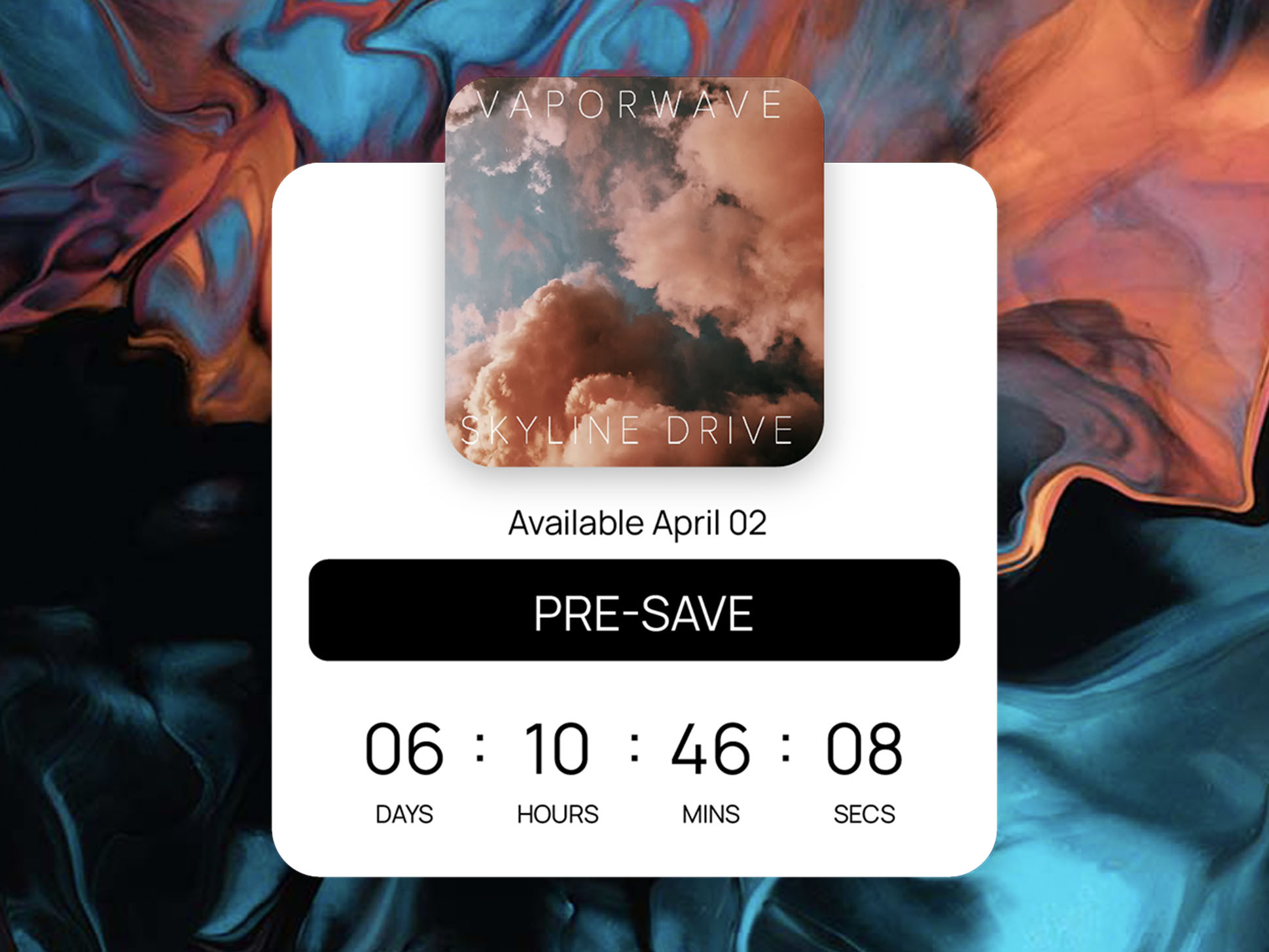
- Pre-saves
- Streaming follows
- Saves or other streaming actions
- Email and SMS opt-ins
- Landing-page activity
- Campaign participation
For example, an artist might recognize that the same fan:
- Joined an album pre-save campaign
- Followed the artist on a streaming service
- Purchased the album on vinyl
- Opted in to receive SMS updates
Instead of appearing as four unrelated activities, those actions reveal a much more meaningful fan relationship.
This does not mean that artists can identify every anonymous listener on Spotify, Apple Music, or another streaming service. Fan-level connections require a recognized interaction through which the fan authenticates, opts in, purchases, or otherwise provides usable identifying information.
Why are streaming and ecommerce data disconnected?
Streaming services and ecommerce platforms are designed for different purposes.
Streaming platforms help fans listen to music and give artists aggregate information about listeners, streams, saves, followers, and geography. Shopify manages products, customers, orders, and checkout. Email and SMS platforms manage subscriber communication. Landing-page tools track campaign actions.
Each system understands its own part of the fan journey, but it may not understand how that activity relates to what happens elsewhere.
An artist might know that a campaign generated:
- 5,000 landing-page visits
- 1,000 pre-saves
- 200 new followers
- 100 merchandise orders
Those results are useful, but they do not reveal how much the audiences overlap.
Did the fans who pre-saved also purchase? Were the customers already active streaming fans? Did previous customers participate in the new release campaign? Which highly engaged listeners have never purchased anything?
Answering those questions requires more than separate totals.
Aggregate analytics versus fan-level data
Aggregate analytics summarize activity across an audience. They answer questions such as:
- How many people streamed the release?
- How many pre-saves did the campaign generate?
- How many orders were completed?
- Which cities generated the most listeners or customers?
- How much revenue did a product generate?
These metrics are essential for measuring overall performance, but they do not necessarily describe the relationship between individual activities.
Fan-level data connects recognized actions to an individual audience record. It can help answer questions such as:
- Did this customer also pre-save the release?
- Has this streaming fan ever purchased merchandise?
- Which products did this fan purchase?
- Does this customer follow the artist?
- Is this fan located near an upcoming show?
- Has this person opted in to email or SMS?
Both types of data are valuable.
Aggregate analytics explain what happened across a campaign. Fan-level data helps artists decide which audience should receive the next message, offer, or experience.
How are streaming fans matched with merch customers?
Fan matching—sometimes called identity resolution—is the process of determining when records from different platforms belong to the same person.
Reliable matching generally uses identifiers that a fan has knowingly provided through an authorized interaction, such as:
- Email address
- Phone number
- An authenticated streaming profile
- A customer record
- An existing fan account
Suppose a fan provides an email address while completing a Spotify pre-save and later uses the same email address when purchasing from the artist’s Shopify store. A connected music marketing platform may be able to recognize that the streaming fan and customer are the same person.
Their streaming engagement and purchase history can then contribute to the same fan profile.
Matching should not rely on weak similarities alone. Two records should not be combined simply because they share a name, city, device type, or similar social username. Incorrect matches can lead to inaccurate reporting, irrelevant campaigns, and privacy concerns.
Sonikit uses shared contact information to match eligible Shopify customers with known fans. When an appropriate match exists, artists and labels can use purchase history and music engagement together when building audience segments.
What can artists learn from connected fan data?
Connecting data reveals relationships that remain hidden when streaming and commerce are measured separately.
Which customers also engage with the music?
A purchase shows financial support, but it does not describe the customer’s complete relationship with the artist.
When purchase history is connected with streaming activity, an artist can distinguish between:
- A first-time customer
- A previous customer returning for a new release
- A buyer who has not engaged with recent music
- A customer who also pre-saves and follows
- A repeat buyer active across several campaigns
These audiences should not necessarily receive the same communication.
A customer who regularly purchases and participates in streaming campaigns may be a good candidate for early access, limited editions, VIP opportunities, or fan research. A previous buyer who has not engaged recently may benefit from an introduction to the new music before receiving another product offer.
Which streaming fans have never purchased?
Some of an artist’s most engaged listeners may never have encountered the right product at the right time.
A fan who pre-saved an album, followed the artist, and joined the SMS list has demonstrated meaningful interest—even if they have never purchased merchandise.
That fan could receive a campaign featuring products connected specifically to the music they engaged with. This is more relevant than promoting the entire store to a general audience.
Which fans support the artist across multiple channels?
A single action does not necessarily define a superfan.
A purchase, pre-save, follow, or opt-in can each be valuable, but the combination provides greater context. Artists can use connected data to identify fans who repeatedly participate across streaming, ecommerce, landing pages, and direct communication.
These fans may deserve recognition or access rather than simply a higher volume of promotional messages.
Useful segments that combine streaming and purchase data
The practical value of connected fan data becomes clearest in audience segmentation.
Instead of sending every campaign to “all fans” or “all customers,” artists can build groups based on what people have—and have not—done.
| Audience | Example conditions | Potential campaign |
|---|---|---|
| Engaged non-buyers | Pre-saved or followed, but never purchased | Introduce merch related to the music |
| Release fans who did not buy | Pre-saved an album but did not purchase its vinyl edition | Promote the physical release |
| Customers who missed the release | Purchased previously but did not join the current pre-save | Reintroduce them to the music |
| Cross-channel supporters | Purchased and completed streaming actions | Offer early access or exclusives |
| Product-specific customers | Purchased a particular product | Promote a complementary item or related release |
| Local customers and listeners | Purchased, engaged on streaming, and lives near a tour market | Promote a show, event, or local offer |
| Lapsed customers | Purchased in the past but has no recent engagement | Share the latest release or artist update |
Negative conditions are particularly important.
If someone already purchased a specific vinyl edition, continuing to send that person sales messages for the same product creates a poor experience. A segment defined as “pre-saved the album and did not purchase the vinyl” is more useful than one based only on the pre-save.
Connected data helps artists understand both the actions a fan completed and the next action that might be relevant.
Example: connecting an album launch with Shopify
Consider an artist releasing a new album alongside a vinyl edition, a shirt, and a signed bundle.
Without connected data, the artist might send one general message to everyone:
The new album merch is available now. Shop the collection.
With connected streaming and purchase data, the audience can be divided into more meaningful groups.
Fans who pre-saved but did not purchase
These fans have already shown interest in the album.
The campaign can introduce the vinyl or release merchandise by connecting it to the music they supported:
You’ve already saved the album. Explore the physical edition and the collection inspired by the release.
Customers who did not pre-save
These fans purchased an album product but have not completed the streaming action.
Instead of asking them to buy again, the artist can direct them back to the music:
Thanks for supporting the album. Pre-save it now so it’s ready in your library on release day.
Fans who pre-saved and purchased
These fans completed both primary campaign actions. They do not need another reminder to buy or pre-save.
A better message might provide:
- Early access to content
- A behind-the-scenes update
- A private video
- Another form of recognition
- Information relevant to their purchase
Previous customers with no current activity
These fans supported the artist before but have not engaged with the new release.
The campaign should rebuild context before introducing another product:
Hear the new single and discover the story behind the upcoming album.
The products have not changed between these audiences. What changes is the message and the next relevant action.
Connected data should improve relevance—not increase volume
The goal of connecting fan data is not to create more reasons to contact people.
It is to reduce irrelevant communication.
Better audience context helps artists:
- Exclude existing purchasers from redundant promotions
- Avoid asking fans to repeat completed actions
- Recognize repeat customers
- Introduce new listeners before making a sales offer
- Direct customers back toward the music
- Reserve early access for genuinely engaged supporters
- Select the most appropriate channel for each message
This is especially important for SMS, where every message is immediate and personal. A highly targeted merch notification may be valuable. Repeated store promotions sent without regard for purchase history can quickly become intrusive.
A complete fan view should result in more selective marketing.
How labels can use connected fan data
Labels face an additional challenge because fan activity may be distributed across multiple artists, releases, stores, and campaigns.
A shared customer database can be useful, but it should not lead to sending every label campaign to every customer.
Connected data allows labels to preserve artist context and create audiences such as:
- Customers of a particular artist who also follow that artist
- Previous customers who missed the artist’s new release
- Streaming fans of an artist who have never purchased their merch
- Buyers of a specific release or product collection
- Local customers who also engaged with an upcoming touring artist
- Fans who support multiple related artists on the roster
Shared infrastructure should make targeting more specific, not broader.
Purchase activity associated with one artist does not automatically prove interest in every artist on the label. Streaming engagement helps provide the missing context.
Privacy and responsible fan matching
Connecting fan data carries responsibility.
Artists, labels, and their technology providers should:
- Collect information through transparent fan interactions
- Use appropriate permissions and consent
- Respect email and SMS opt-outs
- Match records only through reliable identifiers
- Protect personal and authentication data
- Limit access to people who need it
- Avoid collecting information without a clear purpose
- Follow applicable privacy and marketing laws
A connected profile should help an artist communicate more respectfully. It should not create an invasive experience.
In most cases, the fan does not need a message that reveals how several systems identified them. The artist can use the context quietly—for example, by excluding the fan from a product promotion after they have already purchased.
Responsible use of fan data often becomes visible through what the artist chooses not to send.
How Sonikit connects Shopify purchases with streaming engagement
Sonikit brings together music landing pages, streaming actions, audience data, segmentation, messaging, automation, and ecommerce integrations.
With Sonikit’s Shopify integration, artists and labels can:
- Connect a Shopify store
- Sync customer and purchase information
- Match eligible customers with known fans using shared contact information
- Build segments based on purchases of any or specific products
- Combine purchase conditions with pre-saves, follows, location, and other fan attributes
- Distinguish purchasers from non-purchasers
- Display selected Shopify products on customizable music landing pages
- Use streaming actions to begin relevant merch-focused Action Flows
For example, an artist could build a segment of fans who pre-saved a release but did not purchase its vinyl edition. Another audience could include Shopify customers in a particular city who also follow the artist on streaming.
Shopify explains what a customer purchased. Sonikit adds the surrounding music-marketing context.
Learn more about music merch marketing with Sonikit.
How to start connecting your fan data
Artists and labels can begin with a simple process.
1. Define the questions you want to answer
Start with practical questions:
- Which customers also engage with my music?
- Which streaming fans have never purchased?
- Which previous customers missed the latest release?
- Which fans support me across several channels?
- Which customers are located near an upcoming show?
2. Connect your ecommerce and music marketing tools
Use integrations that allow recognized purchase and streaming activity to contribute to the same audience system.
3. Prioritize reliable matching
Use shared identifiers such as email addresses, phone numbers, customer records, and authenticated profiles. Avoid speculative matches.
4. Create a small set of useful segments
Begin with audiences you can act on immediately:
- Engaged non-buyers
- Customers missing the latest release
- Product-specific purchasers
- Cross-channel supporters
- Local customers and listeners
5. Change the campaign based on existing behavior
Decide what each audience should receive—and what it should be excluded from.
6. Measure movement between music and commerce
Look beyond separate stream and sales totals. Evaluate how recognized fans move from listening to purchasing, and from purchasing back into music engagement.
Final takeaway
Streaming and ecommerce data describe different parts of the same fan relationship.
Streaming actions can show interest in the music. Shopify purchase history can show financial support and product preferences. Contact information, location, landing-page activity, and direct opt-ins provide additional context.
When these signals remain separate, artists see isolated metrics. When recognized activities are connected, they can identify:
- Customers who actively engage with the music
- Streaming fans who have never purchased
- Previous buyers who missed the newest release
- Fans interested in specific products
- Local customers with streaming engagement
- Supporters active across multiple channels
The purpose is not to collect as much information as possible. It is to make better decisions with the information fans have chosen to share.
A complete fan view helps artists and labels recognize existing relationships, reduce repetitive promotions, build smarter audiences, and create more relevant paths between music, merchandise, and direct fan engagement.
Connect Shopify with Sonikit to bring purchase history and streaming engagement into a more complete music marketing strategy.
Frequently asked questions
Can artists identify individual Spotify or Apple Music listeners?
Artists generally cannot identify every person who streams their music. Fan-level identification requires a recognized interaction through which a fan authenticates, opts in, purchases, or otherwise provides usable identifying information.
How can artists connect Shopify customers with streaming fans?
Artists can use a music marketing platform that integrates with Shopify and streaming actions. When reliable identifiers such as an email address or phone number match, eligible customer and fan records can be associated with the same profile.
What is the difference between aggregate analytics and fan-level data?
Aggregate analytics summarize activity across an audience, such as total streams, orders, or pre-saves. Fan-level data associates recognized actions with an individual profile, allowing artists to build audiences based on what particular fans have or have not done.
What audience segments can be built from connected data?
Examples include streaming fans who have never purchased, pre-save participants who did not buy a specific product, customers who missed a new release, product-specific buyers, local customers, and fans active across both ecommerce and streaming.
How does Sonikit connect Shopify and streaming data?
Sonikit syncs Shopify customer and purchase information and uses shared contact information to match eligible customers with known fan profiles. Artists can then combine purchase history with pre-saves, follows, location, and other fan attributes when building audience segments.

Keep reading
All posts
How to Build a 3-Step Action Flow: SMS Sign-Up to Pre-Save and Follow

New Project or New Landing Page? How to Structure Sonikit for Multiple Releases, Artists, or Tours